
Font size
 Worksheets
Year 6 Design MOD 2 Revision
Total questions: 10
Worksheet time: 19mins
Match each form of energy to the correct category - RENEWABLE or NON-RENEWABLE

Renewable

Renewable

Non-Renewable

Non-Renewable
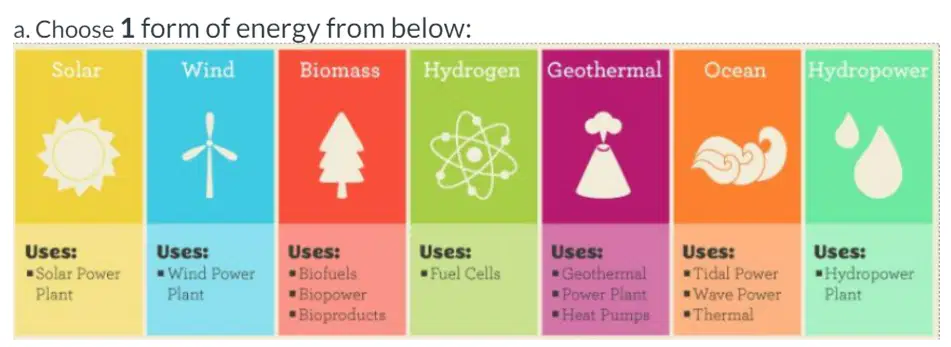
Click on the image and choose 1 form of energy and EXPLAIN why this form of energy is renewable.
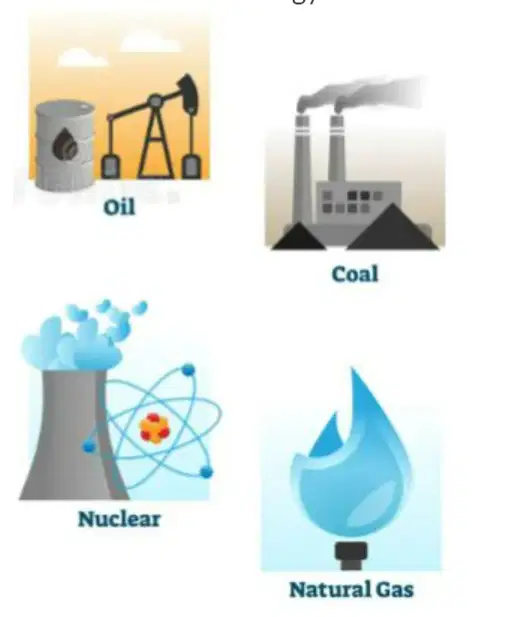
Choose 1 form of energy: Oil, Coal, Nuclear or Natural Gas and explain why this form of energy is NON-RENEWABLE
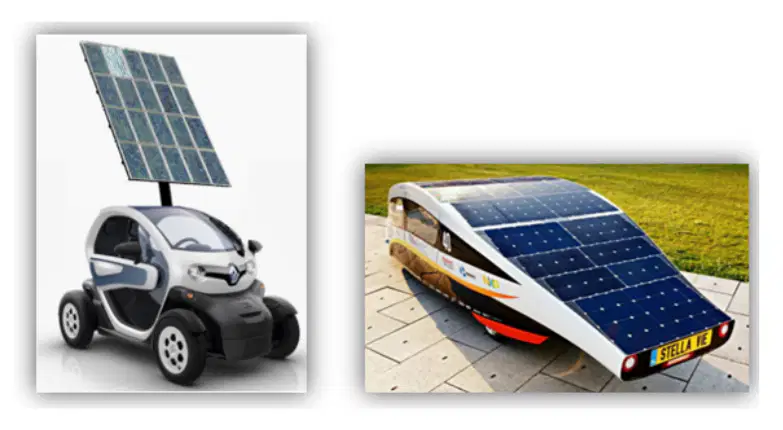
These solar cars are different from fuel cars because:
They use solar energy instead of fuel.
They have larger engines.
They are heavier than fuel cars.
They require more maintenance.
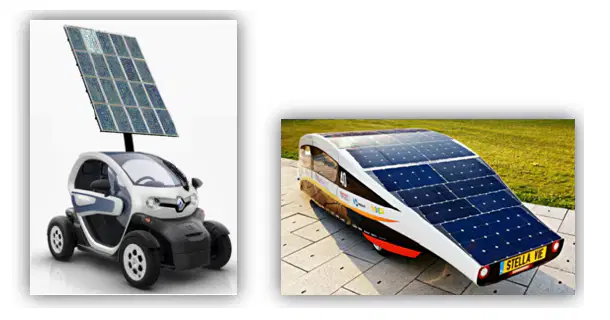
In your opinion, which is the better of the 2 cars in the picture? Give 2 reasons to EXPLAIN your answer.
HINT: safety, cost, aesthetics, fit for purpose, environment.

Explain how you could improve the function or the aesthetics (looks, sound, feel) of the solar car designed here.
HINT: 2 things you would change

When designing a product, which of the following factors must be considered to ensure the design is successful?
Safety
Cost
Aesthetics
Fit for purpose
All of the above
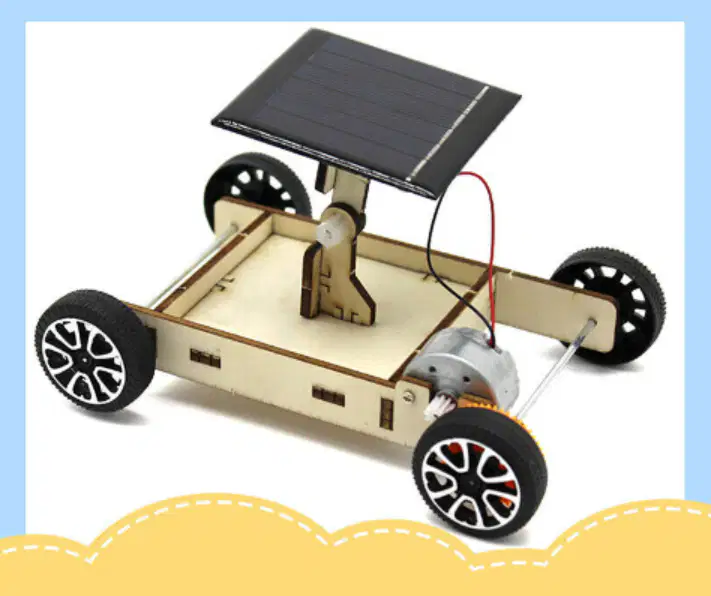
Creating a prototype like this solar car is important in the design process. How can testing the prototype help improve the final product?
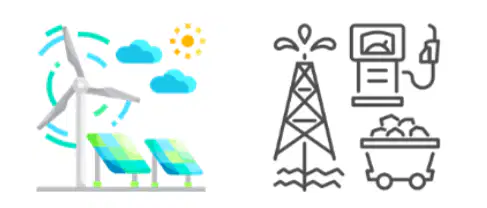
Why is it important to consider both renewable and non-renewable energy sources in the design process?
To ensure that the product is cheap to produce.
To understand the long-term impact of the product on the environment.
To make the product look more appealing.
To make sure the product works quickly.
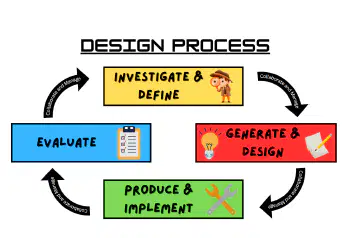
Why is evaluation important in the design process?
It allows designers to celebrate completion of the product.
It helps identify and fix problems before the product is finalised.
It lets designers skip other stages of the design process.
It ensures the product is produced as quickly as possible.

