
 Worksheets
Quiz on Engaging in Remembrance
Total questions: 20
Worksheet time: 10mins
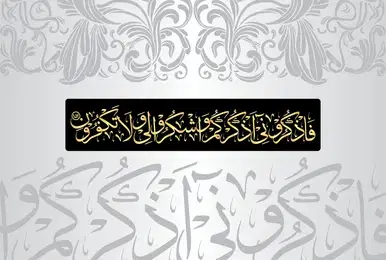
What does Allah say in Sūrah al-Baqarah regarding remembrance?
Remember Me, I will forget you.
Forget Me, I will remember you.
Remember Me, I will remember you.
Remember Me, I will ignore you.
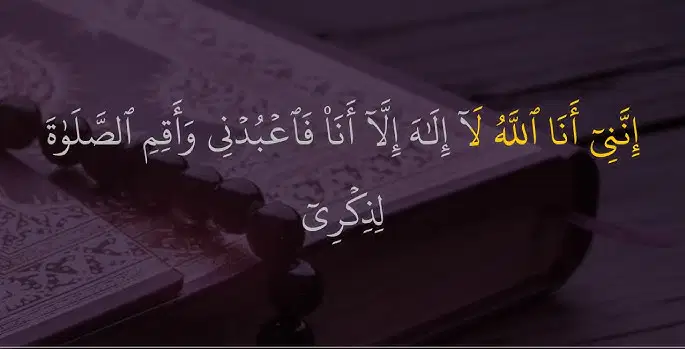
Which form of remembrance is specifically mentioned as prayer?
Isti'ādhah
Tasbīh
Tahmīd
Salāh

What does Allah say about the Qur'an in Al-Ḥijr, 9?
It is a collection of stories.
It is a reminder that will be forgotten.
It is certainly We Who have revealed the Reminder.
It is a book that will be lost.
What is the consequence of constant remembrance of Allah according to the text?
It leads to punishment.
It elevates our ranks.
It causes despair.
It brings about confusion.
What metaphor is used to describe the state of hypocrites?
A bright light.
A desolate desert.
A flowing river.
A blooming garden.
What happens to the hypocrites when darkness covers them?
They stand still.
They seek refuge.
They move forward.
They rejoice.
What does Allah say about His capability regarding the hypocrites?
He punishes them immediately.
He ignores their actions.
He could take away their hearing and sight.
He is unable to help them.

What is the significance of the lightning metaphor in the text (Surah Al Baqarah, 20)?
It indicates danger.
It represents faith and disbelief.
It shows the power of nature.
It symbolizes confusion.
What should we seek refuge from according to the text?
Minor hypocrisy only.
Major hypocrisy and its signs.
The actions of others.
All forms of remembrance.
What does the text suggest about the hearts of believers?
They should be arrogant.
They should be indifferent.
They must be constantly distracted.
They must be submissive to Allah.
What is the relationship between remembrance and faith?
Remembrance leads to doubt.
Remembrance is the pulse that measures our faith.
Remembrance is irrelevant to faith.
Remembrance weakens faith.
What does Allah grant to some hypocrites according to the text?
Total abandonment.
Complete blindness.
Respite due to potential acceptance of Islam.
Immediate punishment.
What is the ultimate fate of the tongue that remembers Allah?
It will be punished.
It will be cast into Hellfire.
It will not be cast into Hellfire.
It will be ignored.
What does the text imply about the hypocrites' actions during the Battle of Uhud?
They sought refuge.
They showed great bravery.
They revealed their true colors.
They remained steadfast.
What is the primary purpose of remembrance in the life of a believer?
To show off one's piety.
To strengthen the connection with Allah.
To distract from worldly matters.
To gain social status.
How does constant remembrance of Allah affect a believer's heart?
It hardens the heart.
It brings peace and tranquility.
It leads to confusion.
It makes one indifferent.
What does the text suggest about the consequences of neglecting remembrance?
It leads to spiritual growth.
It results in a hardened heart.
It brings about clarity of mind.
It enhances one's faith.
What is the effect of sincere prayer on a believer's soul?
It leads to anxiety.
It brings inner peace.
It causes distraction.
It results in doubt.
How does the text describe the relationship between remembrance and guidance?
Remembrance is a source of confusion.
Remembrance leads to guidance.
Remembrance is irrelevant to guidance.
Remembrance causes misguidance.
What does the text indicate about the hearts of the ungrateful?
They are filled with joy.
They are hardened and unresponsive.
They are always seeking knowledge.
They are open to guidance.

