
 Worksheets
Conservation of Mass and Sample Comparisons
Total questions: 21
Worksheet time: 11mins
If samples have different properties...
They are the same substance
They may be the same substance
They are not the same substance
We do not know if they are the same substance or not
If 2 samples are the same color and texture...
They are the same substance
They may be the same substance
They are not the same substance
Taste them to see if they are the same
We know two substances are the same if...
They have the same repeating group of atoms
They have the same number of molecules
They contain the same types of atoms
The repeating groups have no more than 2 different atoms
The starting materials in a chemical reaction are called
remainders
ingredients
products
reactants
The materials resulting from a chemical reaction are called
units
promoters
products
reactants
Crystals like diamonds and salt are made of
simple molecules
extended structures
flexible webs
long wire-like molecules
Which molecule could be produced in the following reaction?
2H2 + O2 -->
CO2
NaOH
HCl
H2O
All of the atoms present in the products of a chemical reaction come from
the energy input
the reactants
the surroundings
the relatives
Which of the following is NOT characteristic
of a substance composed of simple molecules
High melting point
irregular arrangement of molecules
weak bonds between molecules
strong bonds within the molecules
States that matter cannot be created or destroyed
Law of Universal Existence
Law of Creation
Law of Conservation of Chemicals
Law of Conservation of Matter
Atoms can do which of the following during a chemical reaction
disappear
appear
rearrange
change type
An endothermic reaction
takes in energy
produces fire
feels warm
emits light
Fire indicates
an endothermic reaction
an exothermic reaction
the destruction of atoms
the conversion of atoms to energy
Burning reactions always require
wood
gasoline
oxygen
electricity
When a car uses fuel, where do the atoms go?
They are converted to energy
They form an invisible solid
They are burned up
They form gasses
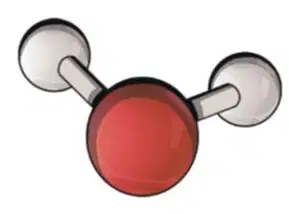
Which atom would have the same properties?

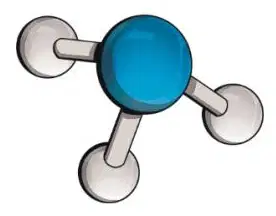
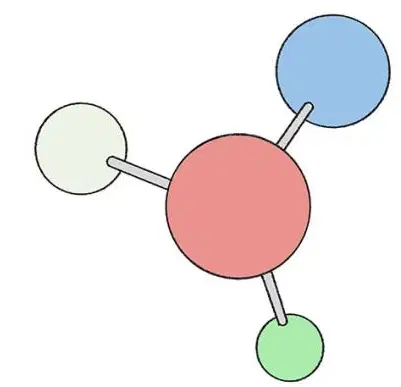
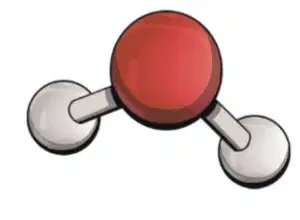
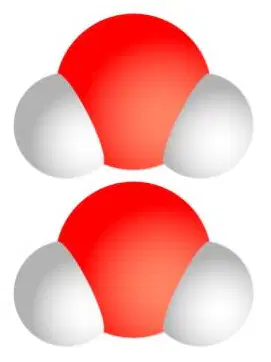
Are these molecules the same substance?
Yes
No
We cannot tell without knowing the properties
Water
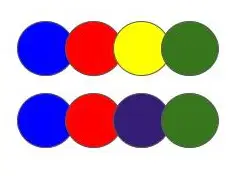
Are these molecules the same substance?
Yes
No
We cannot tell without knowing the properties
caterpillars
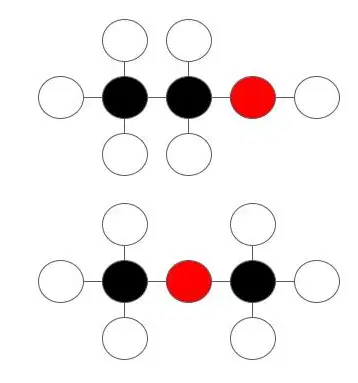
Will these molecules have similar properties?
Not necessarily
Absolutely
They may differ but only in boiling point
Molecules don't own property
Which reactants could have produced MgO ?
2Mg + O2
2H2 + O2
Mg + HCl
Mg + N2
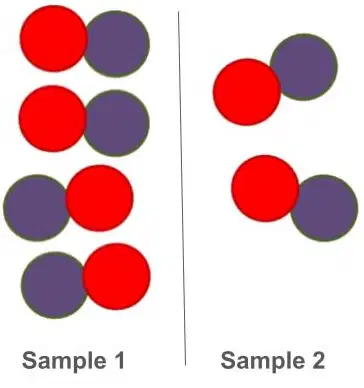
Will these samples have the same properties?
No because there are more molecules in sample 1
Yes because the repeating groups are the same
Yes because both samples have two atoms per molecule
No because sample 2 has fewer total atoms

