
Font size
 Worksheets
Chemistry Unit Test Review
Total questions: 500
Worksheet time: 12hrs 42mins
2Mg + O2 ---> 2MgO

Which of the following are Subscripts in this Chemical Formula: 3Fe2O4
3,4
3,2
2,4
6
The Coefficient (3) in the Chemical Formula, 3H2O, tells you how many _____________ there are.
Atoms of Hydrogen
Atoms of Oxygen
Atoms of Water
Molecules of Water
The Subscript (2) in the Chemical Formula, 3H2O, tells you how many _____________ there are.
Atoms of Hydrogen
Atoms of Oxygen
Atoms of Water
Molecules of Water
32 g of Oxygen completely reacts with 8 g of Hydrogen to produce _____ g Water
8
12
24
40
How many Sulfur atoms are present in the reactants of the following equation: 2SO2 + 2H2O2 ----> 2H2SO4
2
3
4
8
How many Oxygen atoms are present in the product of the following equation: 2SO2 + 2H2O2 ----> 2H2SO4
2
3
4
8
How many Hydrogen atoms are present in the product of the following equation: 2SO2 + 2H2O2 ----> 2H2SO4
2
3
4
8
A system which can be exchange both matter and energy with the surrounding.
Close system
Open system
A system where only energy can be exchanged but not matter
Close system
Open system
A chemical reaction that releases energy _________ and a chemical reaction that absorbs energy is called _____________.
exothermic; endothermic
endothermic; exothermic
exothermic; accumulative
liberal; endothermic
A student heated a 10 gram sample of a chemical in an open container. A chemical reaction occurred, and the mass of the sample was measured again. The mass of the sample was found to be less than before the reaction. Which of the following best explains the decrease in mass of the sample?
The heat caused the chemical to become less dense.
Some of the lighter particles were destroyed.
The reaction gave off more heat than was added.
Some of the particles escaped as a gas formed.
Q.
True or False
The mass of the reactants in a chemical equation must equal the mass of the products.
TRUE
FALSE
Which of the following is close system?

A

B

C

D
Which of the following is an open system?
A
B

C
D

Which of the models of a chemical reaction best represents the Law of Conservation of Mass?
A
B
C
D
If reaction starts with 20g of reactants it should produce
a total of 40g of products
a total of 80 g of products
a total of 10g of products
a total of 20g of products

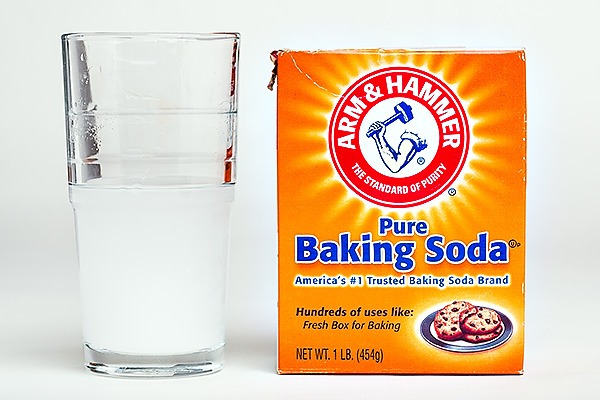
Anthony is performing an experiment. He adds 0.25 grams of baking soda to 5 grams of water and stirs. Anthony watches as the baking soda dissolves in the water. If Anthony weighs the water and baking soda solution, what will its mass be?
4.75 grams
5.25 grams
5.0 grams
7.5 grams
Which is a chemical property?
Reactivity
boiling point
density
conductivity
Which is an example of a physical property?
malleability
rusting
reactivity
flammability
Boiling point is a
Physical property
Chemical property
Real property
Fake property
Conductivity is a
Physical property
Chemical property
Real property
Fake property
Flammability is a
Chemical property
Physical property
Real property
Fake property

Which of the following is a sign that a chemical reaction has occurred?
change in shape
melting
formation of a gas
dissolving


Water is heated and changed to steam ________________
Physical Change
Chemical Change
Food is digested in the stomach ________________
Physical Change
Chemical Change
In chemical and physical changes, mass is not created or destroyed but is only transformed into different substances.
chemical change
physical change
law of conservation of mass
physical property
Cutting wood is a (a) change.
Burning wood is a (a) change.
When you mix substances together and one or more of the substances change into a new substance with different properties, this is a (a) change.
When water boils, you see bubbles. Boiling water is a (a) change.
Reacts with water: Chemical or Physical Property
Boiling point: Chemical or Physical Property
Which one of these is a chemical property?
Melting point
Boiling point
Color
Toxicity
Properties that can be observed without changing the identity of the substance
Properties that describe how a substance changes into a completely different substance

the ability of a material to bend or be hammered into other shapes without breaking.
Ductility
Malleability
Toxicity
Solubility

a resistance to being scratched or dented.
Luster
Flammability
conductivity
hardness

the ability to pass electricity or heat through a substance
conductivity
ductility
oxidation
malleability
the ability of a substance to be drawn into thin wires
Conductivity
malleability
ductility
flammability
Change in smell is the result of what?
Pollution
Condensation
A chemical change
A physical change
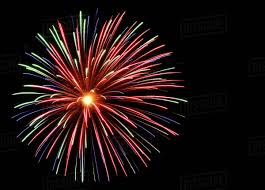
What kind of change is exploding fireworks?
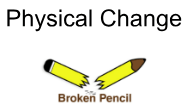
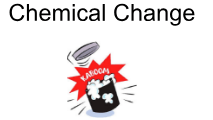

What kind of change is baking a cake?
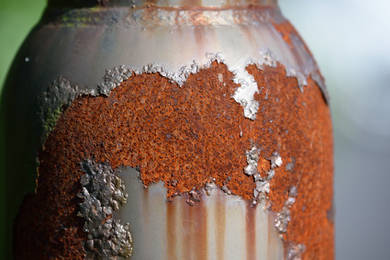
What kind of change is metal rusting?

What kind of change is freezing water into ice cubes?

What kind of change is crushing a soda can?

What kind of change is cutting your hair?

What kind of change is a rotting banana?

What kind of change is toasting bread?

What kind of change is mixing vinegar & baking soda?

What kind of change is squeezing juice out of an orange?
Melting Cheese
physical change
chemical change
Burning Wood
physical change
chemical change
Milk Souring
physical change
chemical change

Mixing sugar and water.
Is it a physical or chemical change?
Physical
Chemical

Is this an example of a physical or chemical change?
physical
chemical

Is this an example of a physical or chemical change?
physical
chemical
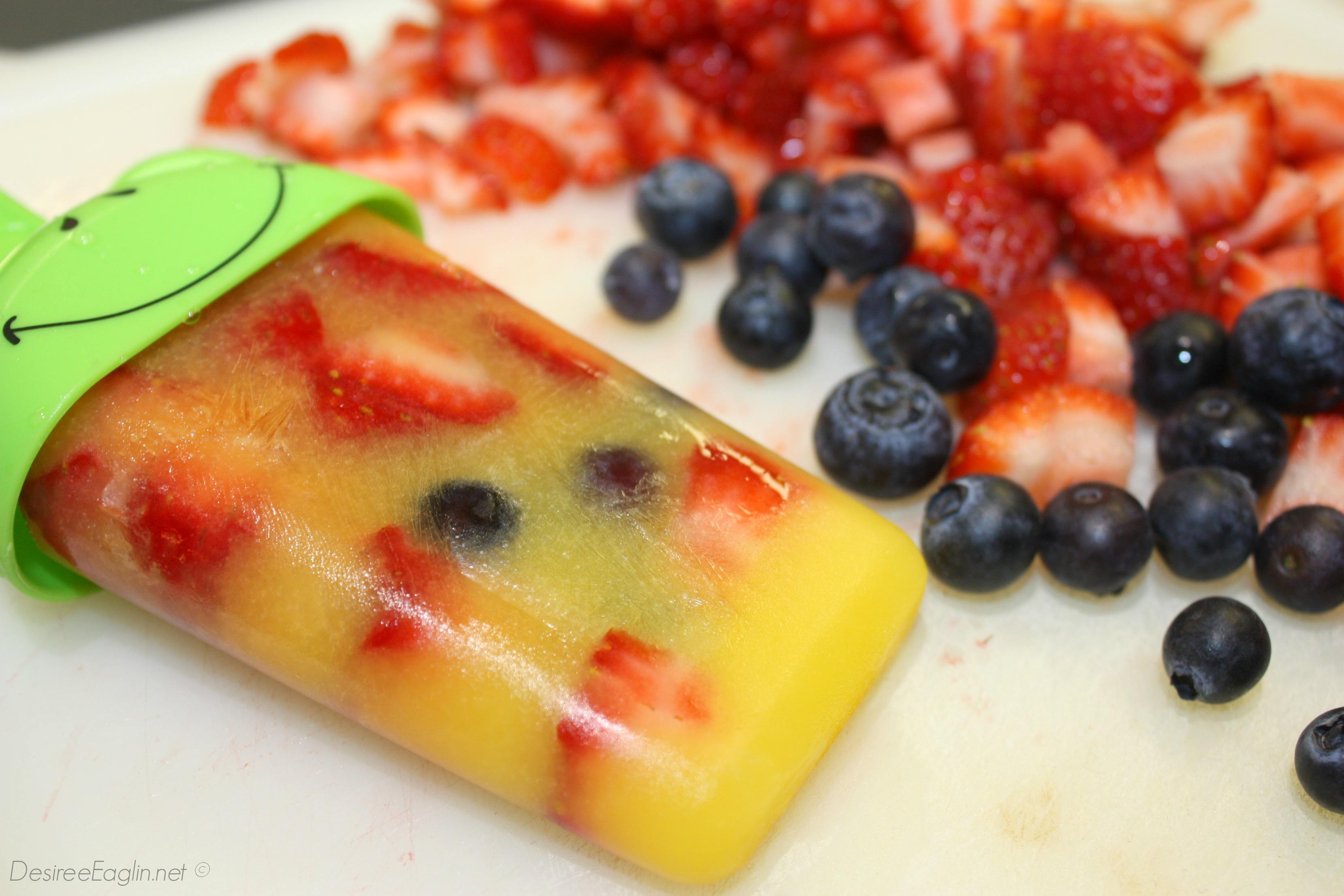
Mark all the examples that result in a chemical change.
Cooking / Baking
Boiling Water
Rusting
Tearing food with teeth
mixing food with saliva and enzymes to break it down into glucose

What is a physical property of these strawberries?
Red
Rotten
Flammable

What is a chemical property of paper?
Flammable
White
Light

Is an ice cream cone melting a physical or chemical change?
Physical
Chemical

Is crumpling a piece of paper a physical or chemical change?
Physical
Chemical


Baking cookies is a chemical change. Which of the following is evidence of the chemical change? Choose all the options that are correct.
Color changes from light tan to golden brown.
The batter melts when it is heated in the oven.
The melted batter turns from liquid to a solid after it is heated.
The odor changes
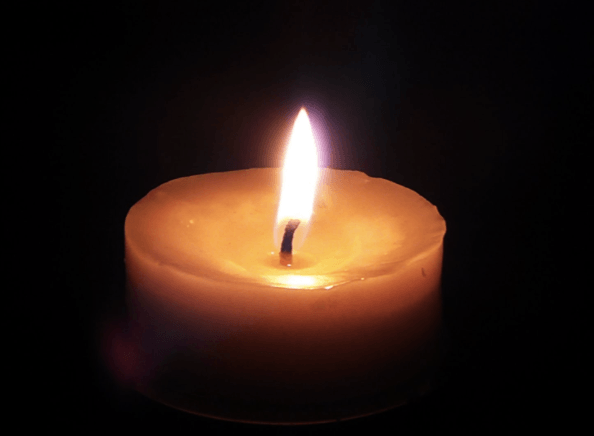
Both
Neither


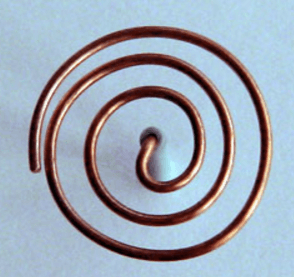
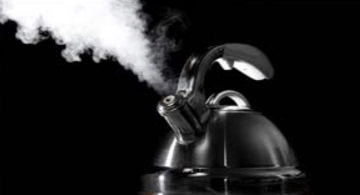
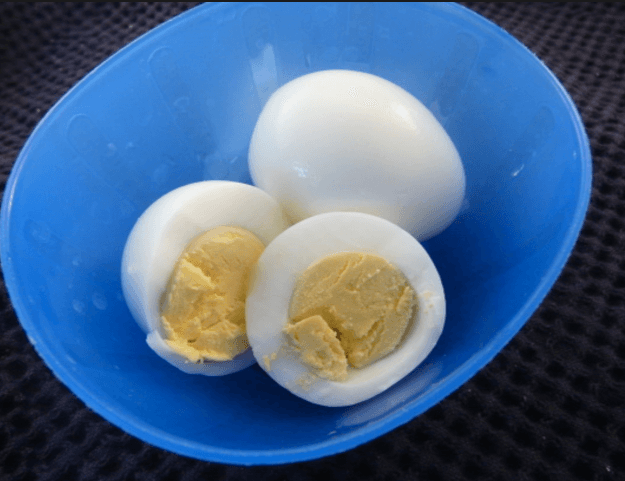


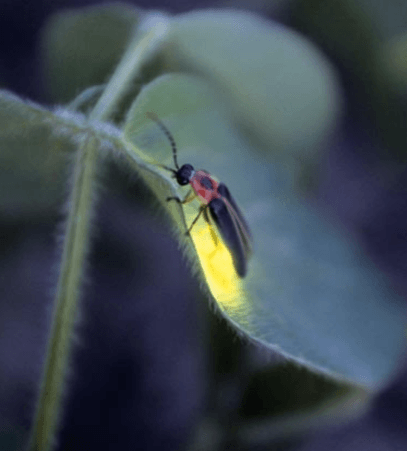
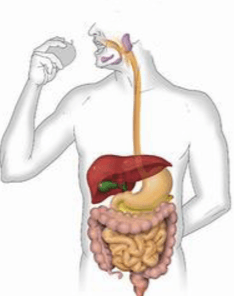


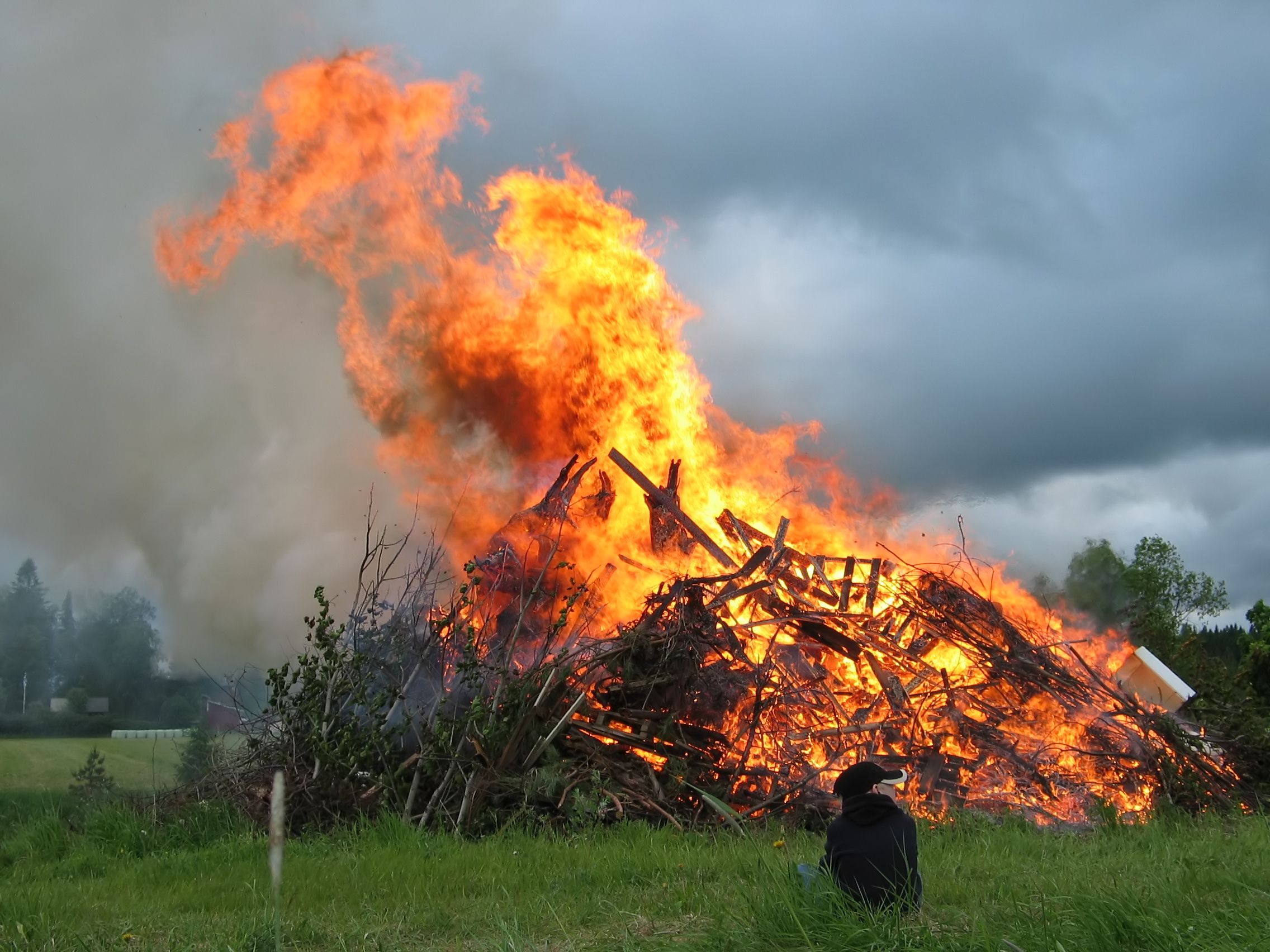


Is this photo an example of an exothermic or endothermic reaction?
endothermic
exothermic
An ___________________ process is a process that releases energy.
exothermic
endothermic

Is the process shown to the right exothermic or endothermic?
endothermic
exothermic
A process in which energy is absorbed is called an .....
endothermic process.
exothermic process

Is the chemical reaction that occurs inside a hot pack an exothermic or endothermic reaction?
endothermic
exothermic
When heat is released it is an
exothermic reaction
endothermic reaction
both
none
Heat + Ice --> Liquid water
Endothermic
Exothermic
Both Exo and Endo
Neither Exo or Endo

Fireworks are an example of
exothermic
endothermic
both
none

A melting ice cube is an example of
exothermic
endothermic
none
both

An ice pack in an example of
exothermic
endothermic
both
none
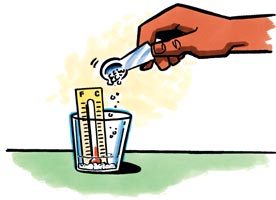


Fire is an example of
exothermic reaction
endothermic reaction
none
both

Sodium metal is cut with a knife
two ore more substances unevenly mixed
Heterogenous mixture
Homogeneous mixture
compounC
Substance
Two or more substances evenly mixed
heterogenous mixture
homogeneous mixture
compound
substance

What type of mixture is shown?
Homogeneous
Heterogeneous

Carbon is classified as a/an _________________.
Element
Compound
Homogeneous Mixture
Heterogeneous Mixture

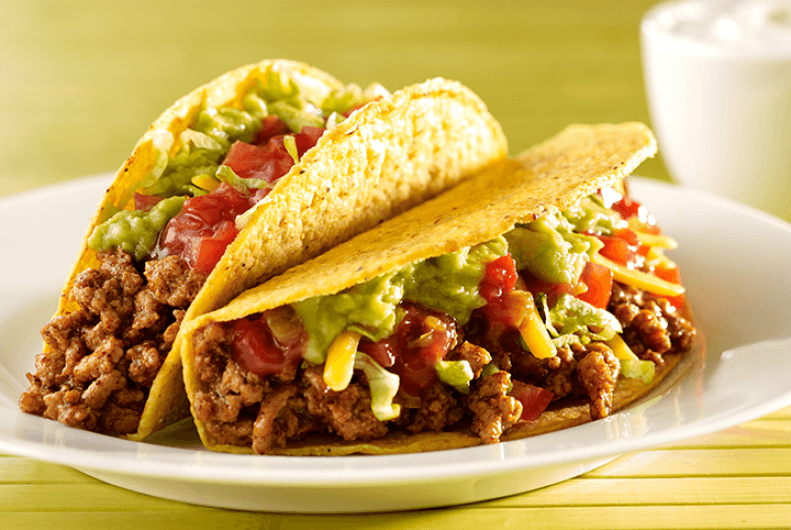
A Taco is an example of a
Homogeneous Mixture
Heterogeneous Mixture

This picture represents which of the following?
element
compound
mixture of elements
mixture of compounds
mixture of elements and compounds

What element is represented in this Bohr Model?
Carbon
Hydrogen
Aluminum
Lithium

In the illustration, which is an example of a gas?
Bubbles
Straw
Ice
The Glass

Element
Compound
Heterogenous
Homogenous

What is located in the nucleus of an atom?
protons and neutrons
protons and electrons
electrons and neutrons
How is the Periodic Table arranged?
alphabetical order
atomic number
the year the element was discovered
Albert Einstein decided how to arrange it.
How are symbols for elements written?
numbers
pictures
letters
In which direction would you find groups/families?
horizontal
vertical
What is located on the horizontal rows on the Periodic Table?
families
groups
periods
What is the charge of a proton?
positive
negative
neutral
What is the symbol for carbon?
Ca
C
Na

The mass number of an element is the amount of _________ it has.
protons
protons and neutrons
electrons
neutrons

Which of the following elements is an example of an element that conducts electricity?
Aluminum
Helium
Boron
Neon

Which element would you expect to be located in group 2 of the periodic table?
Lithium
Carbon
Sulfur
Beryllium

Which of the following best describes the three general groups of elements?
solids, liquids, gas
metals, nonmetals, gases
metals, nonmetals, metalloids
metals, metalloids, synthetics
An element has an atomic number of 20. This means it has:
20 atoms in it.
20 protons.
an atomic mass of 20.
20 neutrons.

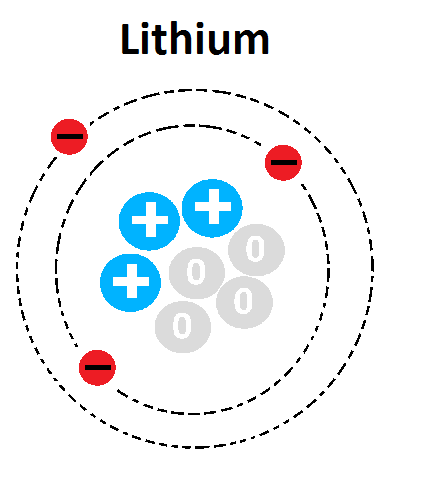
What is the atomic number of this atom?
1
3
4
7

Which element is in group 4 period 5?
Zr - Zirconium
Nb - Niobium
C - Carbon
Na - Sodium
Where are most of the nonmetals found on the periodic table?
left
right
middle
bottom

What groups are the most reactive METALS?
2 and 3
1 and 18
1 and 2
16 and 17
Reactivity of metals increases as you move...
Left
Up
Right
Down
Put the following in order of MOST reactive to least reactive.
He, Na, Fe, C
Na, Fe, C, He
Fe, He, Na, C
C, Na, Fe, He
Fe, C, Na, He
Put the following elements in order from MOST reactive to LEAST reactive.
W, K, Rn, Zn
K, W, Zn, Rn
K, Zn, Rn, W
Rn, Zn, W, K
W, K, Zn, Rn
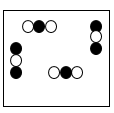
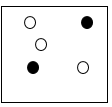


What does this picture show?
element
compound
mixture

These are the 3 states of matter.
True
False

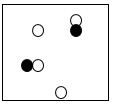

What does this illustrate
Elements
Compunds
Mixture of Elements and Compunds
Mixture of Compounds
Put the following elements in order from LEAST reactive to MOST reactive.
Fr, Og, Ag, Cr
Og, Ag, Cr, Fr
Ag, Cr, Fr, Og
Fr, Og, Cr, Ag
Fr, Cr, Og, Ag
Neon is colorless, a poor conductor of heat and is not able to be stretched. How would it be classified?
Nonmetal
Metalloid
Metal
None of the above
How many protons, electrons and neutrons are present in an atom of carbon, C, with the mass of 12?
12 protons, 12 electrons, 12 neutrons
6 protons, 12 electrons, 6 neutrons
12 protons, 6 electrons, 12 neutrons
6 protons, 6 electrons, 6 neutrons
Which statement correctly describes the location and charge of the neutrons in an atom?
The neutrons are inside the nucleus and have a positive charge.
The neutrons are outside the nucleus and have a neutral charge.
The neutrons are outside the nucleus and have a negative charge.
The neutrons are inside the nucleus and have a neutral charge.
What type of particles are found in the cloud surrounding the atom's nucleus?
Neutral particles and positively charge particles
Positive charge particles only
Negatively charge particles and positively charge particles
Negatively charge particles only
What type of element makes up most of the periodic table?
Metals
Metalloids
Nonmetals
two ore more substances unevenly mixed
Heterogenous mixture
Homogeneous mixture
compounC
Substance
Two or more substances evenly mixed
heterogenous mixture
homogeneous mixture
compound
substance
organized on the peroidic table
elements
mixtures
compounds
substances
can be seperated into substances by physical means
elements
substances
mixtures
solutions
heterogenous and homogeneous are
types of compounds
types of elements
types of mixtures
types of solutions
Which of the following statements about Mixtures is true?
substances are not bonded together
Two or more substances unevenly mixed together
Each compound has a different chemical formula
organized on the periodic table

The lemonade in this glass is what type of mixture?
Heterogeneous
Homogeneous
A physical blend of 2 or more components is called a ____.
type of element
mixture
chemical reaction
physical property
A mixture in which the composition is NOT uniform throughout is called a _____ mixture.
Heterogeneous
Homogeneous
Oil and water are each homogeneous mixtures. What happens to them when they are mixed?
They form a heterogeneous mixture.
They form a pure substance.
They form a phase.
What type of mixture is shown?
Homogeneous
Heterogeneous

What type of substance is shown?
compound
heterogeneous mixture
homogeneous mixture
element

What type of material is pictured?
Element
Compound
Homogeneous mixture
Heterogeneous mixture

What type of material is pictured?
Element
Compound
Heterogeneous mixture
Homogeneous mixture

Classify milk as one of these 4 types of matter.
Element
Compound
Homogeneous mixture
Heterogeneous mixture

Classify these rock samples.
Element
Compound
Homogeneous mixture
Heterogeneous mixture

Water is an example of ...
A mixture
A compound
An element
Combination of two or more substances (elements or compounds) that are NOT chemically bonded.
mixture
solution
solvent
solute
If a mixture has different components that you can see, it is classified as a ______________.
solution
compound
homogeneous mixture
heterogeneous mixture

Italian salad dressing is classified as what type of mixture?
heterogeneous mixture
homogeneous mixture

What is Kool-Aid classified as?
element
Heterogeneous Mixture
Homogeneous Mixture
Compound
Anything that has mass and takes up space.
atom
mixture
element
matter

Freshly brewed black coffee is classified as what type of mixture?
Heterogeneous
Homogeneous

Lucky Charms are classified as what type of mixture?
Heterogeneous
Homogeneous
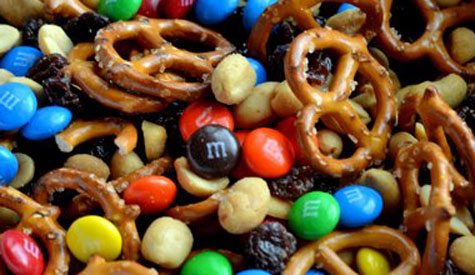

NaCl is classified as a/an ________.
Element
Compound
Homogeneous Mixture
Heterogeneous Mixture

Aluminum is classified as a/an ______________.
Element
Compound
Homogeneous Mixture
Heterogeneous Mixture
Carbon is classified as a/an _________________.
Element
Compound
Homogeneous Mixture
Heterogeneous Mixture

Air is classified as what type of mixture?
Heterogeneous
Homogeneous

Sugar water is classified as what type of mixture?
Heterogeneous
Homogeneous

Vinegar is classified as what type of mixture?
Heterogeneous
Homogeneous
A mixture that appears to be evenly mixed or looks the same throughout:
an atom
a compound
a homogeneous mixture
a heterogeneous mixture
A substance made up of two or more different atoms that ARE chemically combined is —
an element
mixture
compound
solution
A substance that cannot be broken down into any other substance by chemical means is called —
molecule
mixture
element
compound

Salad is classified as a/an __________.
element
compound
mixture
A substance that contains only one kind of atom.
Element
Compund
Mixture


Which atomic arrangement(s) represent an element?
P only
R only
P and Q
R and S

A student finds a beaker containing a substance in the lab. The student filters the contents of the beaker and notices that a solid is left on the filter paper. What can the student conclude about the type of matter of the original matter?
The original material was a mixture.
The original material was a compound.
The original material was either an element or a compound.
The original material was either a mixture or a compound.

Which substance(s) can be classified as a mixture?
1 only
4 only
1 and 4
2 and 3
Which particle diagram can be represented as a compound?


Which particle diagram can be represented as a mixture?


A Taco is an example of a
Homogeneous Mixture
Heterogeneous Mixture

A Mixture is defined as
A combination of two or more substances that are not chemically combined
A combination of compounds that are chemically bonded
2 or more elements chemically bonded


The image showing a sample of gold is an example of a(n)...
element
compound
heterogeneous mixture
homogeneous mixture
Oxygen gas consists of two identical atoms of oxygen bonded together making it a(n)
element.
compound.
homogeneous mixture.
heterogeneous mixture.
Which part of an atom moves quickly OUTSIDE the nucleus?
proton
neutron
electron
protons and neutrons

Which diagram represents the parts of an element?
Diagram (a)
Diagram (b)
Diagram (c)
None of the diagrams represent the parts of an element.

Which of the following represents the parts of a compound?
Diagram (a)
Diagram (b)
Diagram (c)
All of the diagrams represent the parts of a compound.
Carbon has an atomic number of 6 and an atomic mass of 12. How many neutrons does it have?
6
12
18
5
This picture represents which of the following?
element
compound
mixture of elements
mixture of compounds
mixture of elements and compounds

This picture represents which of the following?
element
compound
mixture of elements
mixture of compounds
What element is represented in this Bohr Model?
Carbon
Hydrogen
Aluminum
Lithium
Beryllium has an atomic number of 4 and an atomic mass of 9. How many protons does it have?
4
5
9
13

A force of attraction that causes a magnetic material to move
force
gravity
magnetism
conductivity

Diagram(s) representing a single element
A
B
C
D
What tool is most useful in determining whether an object is made of iron?


Which tool would be used to measure the heat in a liquid?


In the illustration, which is an example of a gas?
Bubbles
Straw
Ice
The Glass
basic particle from which all elements are made
atom
molecule
element
compound
Laundry detergent with blue and white crystals.
Pure substance
Heterogeneous mixture
Homogeneous mixture
Sugar dissolved in water
Pure substance
Heterogeneous mixture
Homogeneous mixture
Iron filings (Fe)
Pure substance
Heterogeneous mixture
Homogeneous mixture
Orange juice with pulp
Pure substance
Heterogeneous mixture
Homogeneous mixture
Pacific ocean
Pure substance
Heterogeneous mixture
Homogeneous mixture
Air
Pure substance
Heterogeneous mixture
Homogeneous mixture
Tap water in a glass
Pure substance
Heterogeneous mixture
Homogeneous mixture
Soil
Pure substance
Heterogeneous mixture
Homogeneous mixture
Pizza
Pure substance
Heterogeneous mixture
Homogeneous mixture
all metals are magnetic
true
false

Milk
Element
Compound
Heterogenous
Homogenous

Coca Cola
Element
Compound
Heterogenous
Homogenous

H2O
Element
Compound
Heterogenous
Homogenous

CaCl2
calcium chloride
เกลือ
Element
Compound
Heterogenous
Homogenous

Pizza
Element
Compound
Heterogenous
Homogenous

Tea
Element
Compound
Heterogenous
Homogenous

cereal
Element
Compound
Heterogenous
Homogenous
Element
Compound
Heterogenous
Homogenous

Element
Compound
Heterogenous
Mixture
What is Chemistry
the study of matter
the study of life
the study of people
the study of earth
Smallest unit of an element
compound
atom
molecule
product
Ability of one substance to dissolve into another
density
polarity
solubility
solvent
Which one of the following is a compound?
NaCl
O2
Hydrogen
He2

Which letter represents a mixture?
D
G
E
A
What is located in the nucleus of an atom?
protons and neutrons
protons and electrons
electrons and neutrons
How is the Periodic Table arranged?
alphabetical order
atomic number
the year the element was discovered
Albert Einstein decided how to arrange it.
What is located on the horizontal rows on the Periodic Table?
families
groups
periods
In which direction would you find groups/families?
horizontal
vertical
How are symbols for elements written?
numbers
pictures
letters
What is the symbol for carbon?
Ca
C
Na
What is the charge of a proton?
positive
negative
neutral
What is the charge of a neutron?
positive
neutral
negative
Negative is the charge for _____.
protons
neutrons
electrons

In which of the following states is Chlorine found at room temperature?
solid
liquid
gas
plasma

The atomic number of an element is the number of _______ it has.
protons
neutrons
electrons
protons and neutrons
The mass number of an element is the amount of _________ it has.
protons
protons and neutrons
electrons
neutrons

Which term describes Neon?
metal
metalloid
transition metal
nonmetal
Which of the following elements is an example of an element that conducts electricity?
Aluminum
Helium
Boron
Neon
Which element would you expect to be located in group 2 of the periodic table?
Lithium
Carbon
Sulfur
Beryllium
Which of the following best describes the three general groups of elements?
solids, liquids, gas
metals, nonmetals, gases
metals, nonmetals, metalloids
metals, metalloids, synthetics
An element has an atomic number of 20. This means it has:
20 atoms in it.
20 protons.
an atomic mass of 20.
20 neutrons.
Protons and electrons:
have the same mass
are both found in the nucleus.
have opposite charges.
are added together to find the atomic mass.

What is the atomic number of the atom shown in the picture?
13
14
1
27
What is true about the Periodic Table?
Elements in the same Family have the same number of protons.
Elements in the same Family have similar chemical properties.
Elements in the same Family are shown in the same row.
Elements in the same Family have the same number of electrons.

What is NOT true about Iron?
Fe is the chemical symbol.
The atomic mass is 26.
The atomic number is 26.
It has 30 neutrons.
Where is the concentration of mass in an atom?
The nucleus
The electron cloud
__________ are the smallest unit of an element that maintains the properties of the element.
Particles
Atoms
Protons
A nucleus of an atom contains what two parts?
Electrons and Protons
Neutrons and Electrons
Protons and Neutrons
The majority of the elements in the periodic table are
Non-Metals
Metals
Metalloids


Which of the following element in period 3 would be classified as a metal?
Boron (B)
Sodium (Na)
Argon (Ar)
Silicon (Si)
Which scientific model could be used to predict the properties of an element?
closed loop system
Punnett square C.
Periodic Table
water cycle chart

The elements fluorine, chlorine, bromine, and iodine are all found in the same group (17) on the table. These elements are grouped together because they
are metals
react in similar ways
have the same atomic mass
are noble gases
Water (H2O) is not found on the Periodic Table of the Elements because water is
an atom
a liquid
a mixture
a compound
the smallest particle that still can be considered an element
proton
neutron
electron
atom
the dense center of an atom
proton
nuetron
nucleus
election
a one or two letter abbreviation for the element
chemical symbol
atomic number
atomic mass
a chart showing all of the elements arranged according to their properties
atomic mass
proton
neutron
periodic table


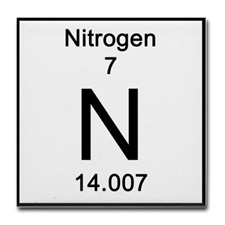
From this element key of Nitrogen, determine the atomic mass of nitrogen
7
7.01
14.01
21.01
Look at the periodic table. Which list of elements forms a group on the periodic table?
Li, Be, B, C, N, O, F, and Ne
He, Ne, Ar, Kr, Xe, and Rn
B, Si, As, Te, and At
Sc, Ti, V, Cr, Mn, Fe, Co, Cu, Ni, and Zd
Where are most metals on the periodic table?
on the left side only
on the right side only
in the middle only
on the left side and in the middle

Which of the following elements is in (period 4 , group 2)
Carbon
Potassium
Calcium
Sodium
Which of the following are found on the left side of the zig zag line on the periodic table?
Non-metals
metalloids
metals
compounds
What type of elements are found on the "staircase" of the periodic table?
Metals
Metalloids
Nonmetals
Where are nonmetals found on the periodic table?
Left Side
The Bottom
Staircase
Right Side
Metals are...
Shiny
Dull
Bad Conductors
Brittle
Nonmetals are...
Shiny
Dull
Good Conductors
Malleable
What does the Atomic Number represent?
Number of Protons
Number of Neutrons
Number of Protons and Neutrons

When elements are in the same ROW they are all in the same-
Chemical Symbol
Period
Family

When elements are in the same COLUMN they are all in the same-
Chemical Symbol
Period
Family

What do we call the one or two letter abbreviations for elements on the Periodic Table?
Chemical Symbol
Period
Family
Atoms of different elements have ________ number of protons.
the same
different

What does the atomic number tell us about an element?
number of neutrons
number of protons
number of isotopes
atomic mass

Using this section of the periodic table, what is the chemical symbol for Silicon?
S
Si
C
Cl
Elements in the same ________ have the most similar chemical reactivity.
Chemical Symbol
Period
Family
How are elements on the Periodic Table organized?
Number of Valence Electrons
Number of Isotopes
Atomic Number

What classification of element is Silicon?
Metal
Nonmetal
Metalloid

What classification of element is Bromine?
Metal
Nonmetal
Metalloid

What classification of element is Lithium?
Metal
Nonmetal
Metalloid
The identity of the atom is determined by the ______.
Protons
Electrons
Neutrons
Which of the following is the correct atomic model for Boron?


What is at the center of every atom?
an electron
only protons
a molecule
a nucleus
Which of the following element in period 3 would be classified as a metal?
Boron (B)
Sodium (Na)
Argon (Ar)
Silicon (Si)
The elements fluorine, chlorine, bromine, and iodine are all found in the same group (17) on the table. These elements are grouped together because they
are metals
react in similar ways
have the same atomic mass
are noble gases

Ammonia gas would be classified as
a compound
a mixture
an element
an atom
True or False: Protons and electrons have about the same mass.
True
False
True or False: Neutrons have a negative charge.
True
False
In an atom, which is true about electrons?
They are moving inside the nucleus
They are moving in the space around the nucleus
They are standing still in the space around the nucleus
All of the above
The atomic mass of carbon is 6.
True
False
Lithium (Li) and Sodium (Na) are in the same period.
True
False
What three elements are in the same family as Neon (Ne)?
oxygen (O), nitrogen (N), and carbon (C)
potassium (K), calcium (Ca), and copper (Cu)
krypton (Kr), xenon (Xe), and helium (He)
chromium (Cr), manganese (Mn), and cobalt (Co)
Why is there a zigzag line in the periodic table of the elements?
It separates naturally occurring materials made in a lab.
It separates radioactive elements.
It separates metals from nonmetals.
It separates periods from families.
Using your periodic table, identify the atomic number of sodium (Na).
11
16
22
32
Based on its location in the periodic table, describe the element sulfur (S).
It is in the same family as carbon.
It is a metal.
It sits on the line between metals and nonmetals.
It is a nonmetal.

Which element(s) in the table are most likely metals?
W only
X only
V, X, and Z
W and Y
Which of these is a metalloid?
Silicon
Carbon
Hydrogen
All of the above

Using the image, which element has chemical properties similar to those of A?
W
X
Y
Z

Which element(s) in the periodic table pictured is/are metals?
W and Z
X, A and Y
only Y
X, A and W
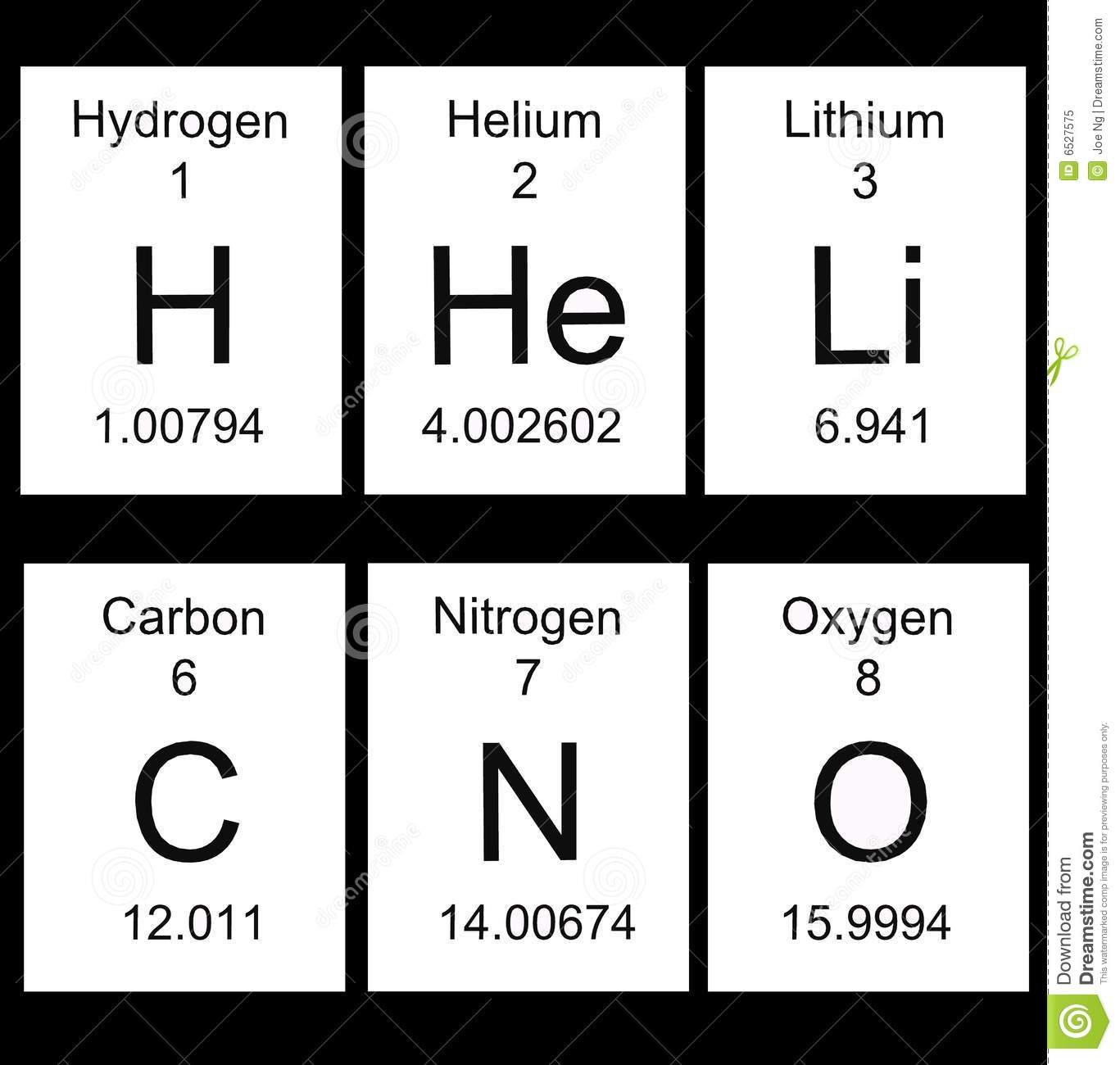
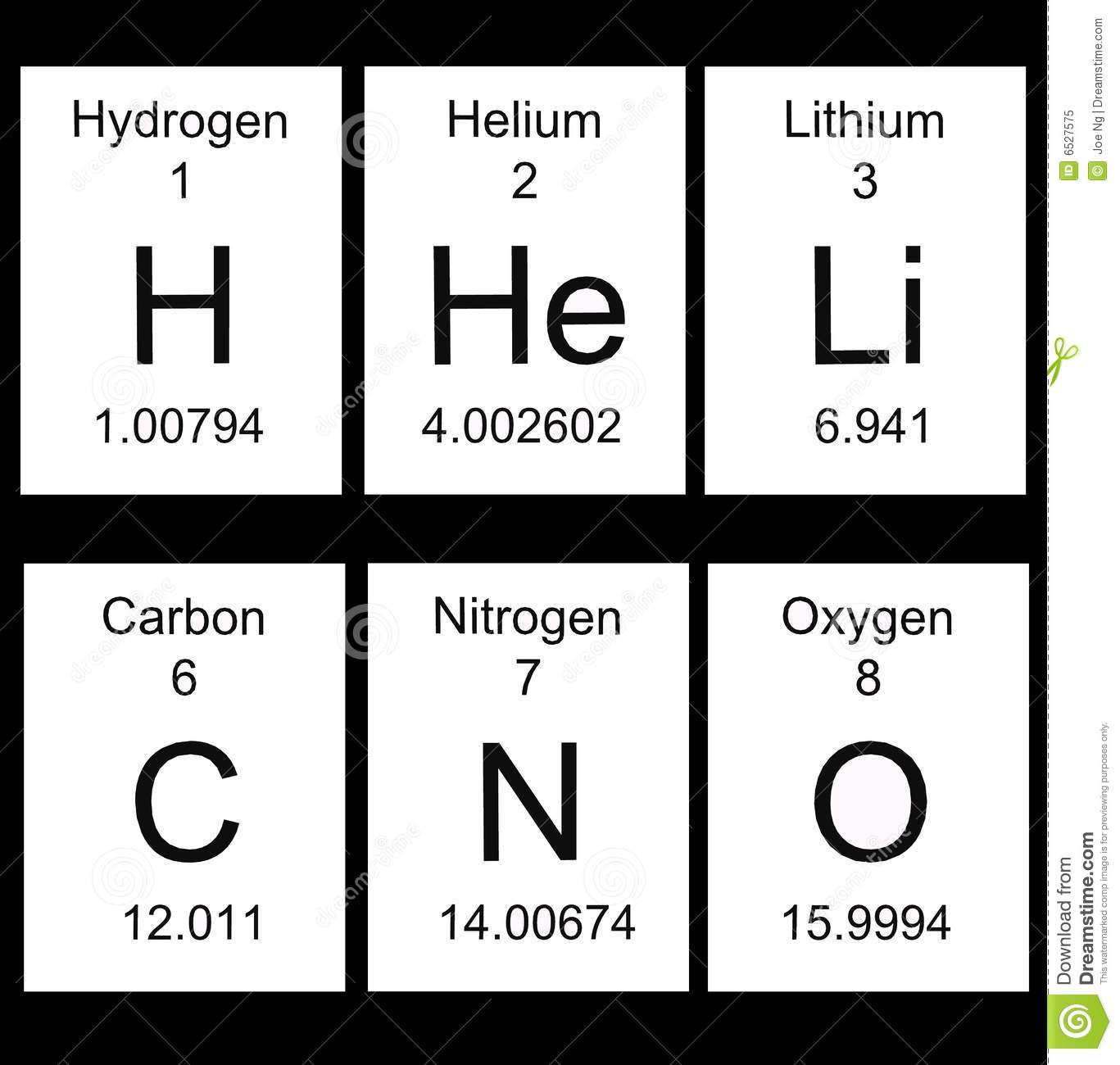


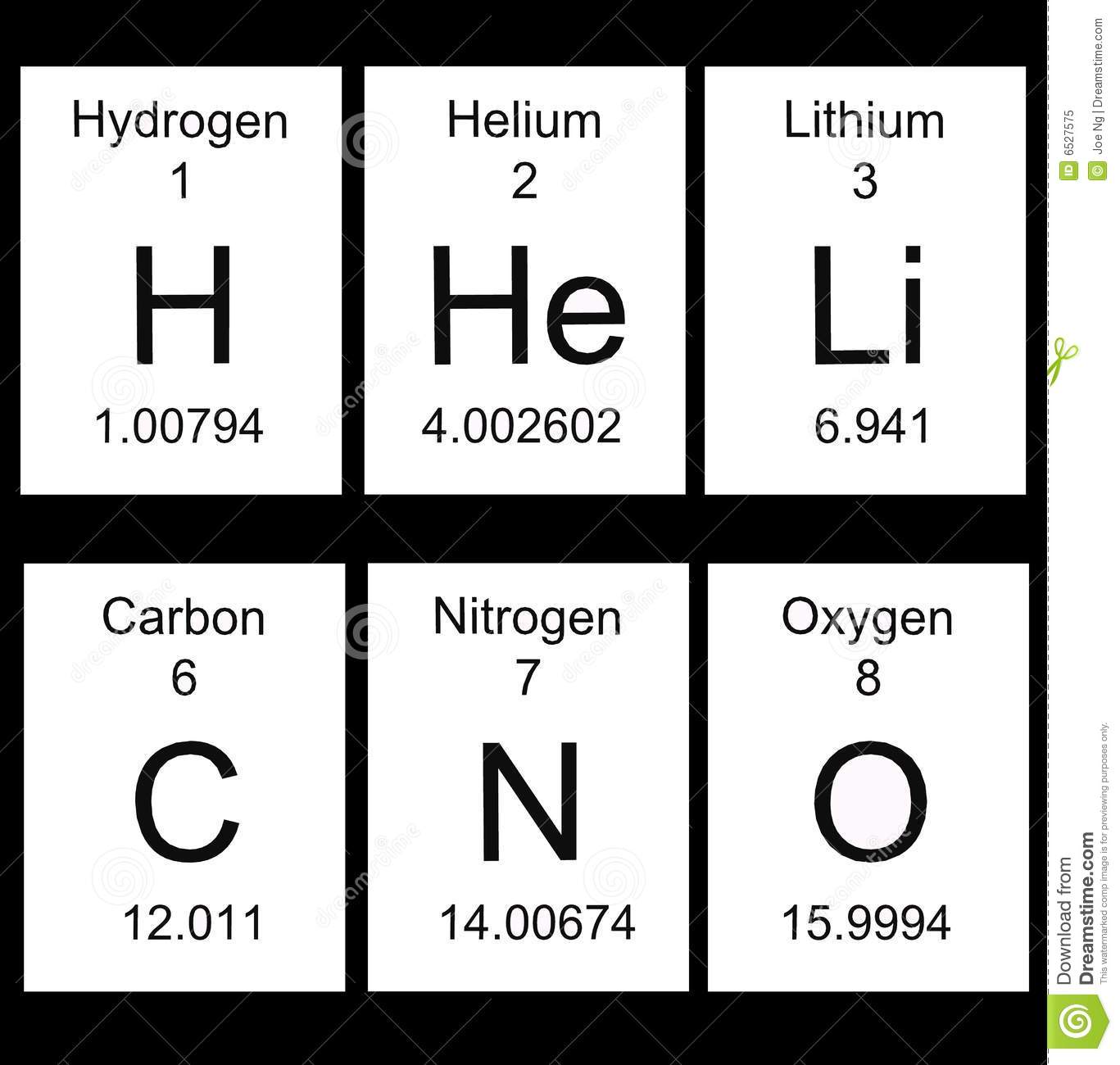
What is the Atomic Mass of Carbon?
6
C
12

Which of the following is NOT a metal?
Sodium
Aluminum
Helium
Tin
If the atomic number of an element is 15 and its atomic mass is 31, the number of protons must be...
15
16
31
4
Which subatomic particle does not have mass?
Proton
Neutron
Electron
Proton and Neutron
What type of element makes up most of the periodic table?
Metals
Metalloids
Nonmetals
True or False: Groups are the vertical columns on the periodic table.
True
False
Which of the following subatomic particles does NOT contribute to atomic mass?
Proton
Neutron
Electron
Neon is a member of which family of elements?
Boron Family
Halogens
Noble Gases
Alkali Metals
Nonmetals are usually which state at room temperature?
Solid
Liquid
Gas
Plasma
What is the charge of a neutron?
Positive
Neutral
Negative
Which statement correctly describes the location and charge of the neutrons in an atom?
The neutrons are inside the nucleus and have a positive charge.
The neutrons are outside the nucleus and have a neutral charge.
The neutrons are outside the nucleus and have a negative charge.
The neutrons are inside the nucleus and have a neutral charge.
What type of particles are found in the cloud surrounding the atom's nucleus?
Neutral particles and positively charge particles
Positive charge particles only
Negatively charge particles and positively charge particles
Negatively charge particles only


How many protons, electrons and neutrons are present in an atom of carbon, C, with the mass of 12?
12 protons, 12 electrons, 12 neutrons
6 protons, 12 electrons, 6 neutrons
12 protons, 6 electrons, 12 neutrons
6 protons, 6 electrons, 6 neutrons
What is the atomic number of this atom?
1
3
4
7
Each horizontal row on the periodic table is called a:
Shell
Period
Group
Family
Neon is colorless, a poor conductor of heat and is not able to be stretched. How would it be classified?
Nonmetal
Metalloid
Metal
None of the above
Which element is in group 4 period 5?
Zr - Zirconium
Nb - Niobium
C - Carbon
Na - Sodium
Where are most of the nonmetals found on the periodic table?
left
right
middle
bottom
What groups are the most reactive METALS?
2 and 3
1 and 18
1 and 2
16 and 17
Francium is the most reactive element on the periodic table.
True
False
Reactivity of metals increases as you move...
Left
Up
Right
Down
Put the following in order of MOST reactive to least reactive.
He, Na, Fe, C
Na, Fe, C, He
Fe, He, Na, C
C, Na, Fe, He
Fe, C, Na, He
Put the following elements in order from MOST reactive to LEAST reactive.
W, K, Rn, Zn
K, W, Zn, Rn
K, Zn, Rn, W
Rn, Zn, W, K
W, K, Zn, Rn
Put the following elements in order from LEAST reactive to MOST reactive.
Fr, Og, Ag, Cr
Og, Ag, Cr, Fr
Ag, Cr, Fr, Og
Fr, Og, Cr, Ag
Fr, Cr, Og, Ag


What does this illustrate
Elements
Compunds
Mixture of Elements and Compunds
Mixture of Compounds
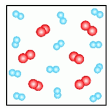


What does this picture show?
element
compound
mixture
What does this picture show?
element
compound
mixture

What does this picture show?
element
compound
mixture

What does this picture show?
element
compound
mixture

What does this picture show?
element
compound
mixture

What does this picture show?
element
compound
mixture

Gold is an example of an:
element
compound
mixture
These are the 3 states of matter.
True
False

Does the image represent the Law of Conservation of
yes
no
Substances present at the start of a chemical reaction are called ____.

What are the reactants in this chemical equation?
6 CO2 + 6 H2O
H2O
C6H12O6
C6H12O6 + O2
What are the products in this chemical equation?
CO2 + H2O
H2O
C6H12O6
C6H12O6 + O2
How many atoms of hydrogen are in
C6H12O6
6
12
18
2
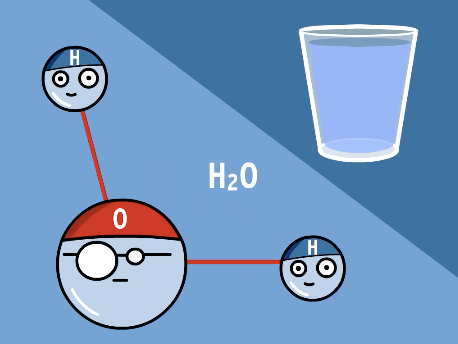
4 grams of hydrogen and 32 grams of oxygen will combine to form:
36 grams of water
28 grams of hydroxide
32 grams of oxygen
36 grams of deuterium
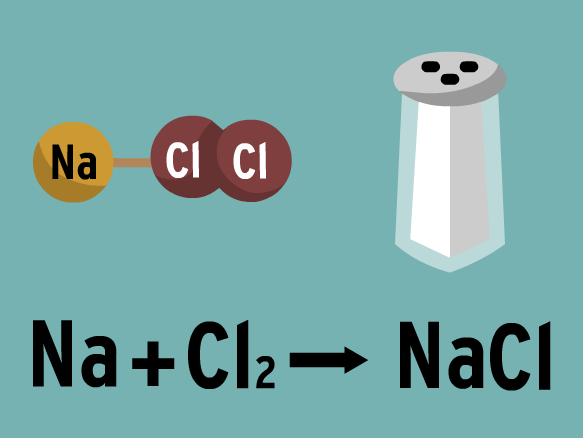
In a chemical reaction, 4 grams of sodium must combine with how many grams of chlorine to produce 10 grams of table salt?
4 grams
6 grams
8 grams
10 grams

Why does this picture demonstrate the Law of Conservation of Mass?
the number of atoms of each element are the same on both sides
they start out separate and end up combined
the same elements are used
it doesn't demonstrate the Law of Conservation of Mass
When a log is burned, what happens to the wood?
The mass stays the same, but becomes smoke and ash.
It disappears.
The mass changes as it goes away.
Nothing. You're imagining things.
Q.
If you have 15 grams of Baking Soda and 20 grams of Vinegar as products, what would you expect the mass of your reactants to be?
15 grams
5 grams
20 grams
35 grams
Q.
The Law of Conservation of Mass States
Energy cannot be created nor destroyed, it can only change form.
Matter cannot be created nor destroyed, it can only change form.
Mass cannot be created nor destroyed, it can only change form.
Mass can be created or destroyed, it cannot change form.
7 g of hydrogen reacts with 17 g of oxygen to produce ______ g of water
14
24
38
62
12.67 g of Carbon reacts with 25.33 g of oxygen to produce ______ g of Carbon Dioxide
14
24
38
62
How many sulfur atoms must be present in the products after a reaction between the following reactants: 2SO2 +2H2O2
2
3
4
8
How many Hydrogen atoms must be present in the products after a reaction between the following reactants: 2SO2 +2H2O2
2
3
4
8
During a chemical reaction matter cannot be created or destroyed.
True
False
Matter is anything that takes up space and has mass. All matter is made up of tiny particles called atoms.
True
False
Which characteristic would describe a physical change?
This type of change is reversible
This type of changes is usually not reversible
This type of change creates a new substance
This type of change includes burning a substance
According to the Law of Conservation of Mass, what happens to the wood and oxygen when it is burned?
The wood disappears.
It stays the same chemically.
The atoms in the wood and oxygen rearrange and form smoke and ash.
Nothing.
How many atoms are in the products below?
4Fe +3O2 → 2Fe2O3
7
10
17
20
How many oxygen atoms are in the products for the chemical reaction below?
4Fe + 3O2 → 2Fe2O3
2
3
5
6

How many grams of OXYGEN would be needed to show conservation of mass in the example below?
100 g
93 g
7 g
0 g

How many grams of coal were present at the start of the chemical change?
Unknown
100 g
200 g
50 g

How many grams of CHOCOLATE POWDER are shown in the example of conservation of mass below?
450 g
465 g
0 g
15 g

How many grams of LIQUID WATER are shown in the example of conservation of mass?
0 g
50 g
100 g
200 g

How many grams of SLICED APPLE are shown in the example of conservation of mass?
230 g
235 g
115 g
0 g

How many kilograms of SMOKE are shown in the example of conservation of mass?
1 kg
30 kg
28 kg
3 kg