
 Worksheets
science Marigold
Total questions: 57
Worksheet time: 30mins
an animal that has no spine, or backbone
vertebrate
invertebrate
phylum
species
an animal that has a spine, or backbone
vertebrate
invertebrate
phylum
species
to put things into groups
vertebrate
classify
invertebrate
kingdom
Organisms with a body covering of feathers are classified as
birds
mammals
fish
insects
What is TRUE about mammals
They are born live.
They are hatched from eggs.
They DO NOT look like their parents.
They began like swimming in water.

Living things are divided into ... groups
(a)

Living things in the same group can have same characteristics but can also have different ones
False
Only in plants
True
Depends on the kind
What are the 8 levels of Classification in order?
Domain, Kingdom, Phylum, Class, Order, Family, Genus, Species
Order, Domain, Phylum, Class, Family, Genus, Species, Kingdom
Family, Domain, Genus, Kingdom, Phylum, Class, Order
Class, Family, Kingdom, Genus, Phylum, Order, Domain
Bones are __________ structures.
Hard
Soft
Clean
Dirty
which is not a function of our skeletal system.
give shape to our body
to help us breath
help us walk ,run and jump
send messages through our body

Name the bone pointed by the line.
ribs
hip bone
upper arm bone
thigh bone

Name the bone pointed by the line.
thigh bone
shin bone
hip bone
skull

Name the bone pointed by the line.
ribs
skull
vertebra
hip bone

Name the bone pointed by the line.
collar bone
rib
hip bone
skull
The smallest bone in our body is vertebrae.
False
True
I don't know
The skull protects the important and delicate organ called (a) .
What helps the bones to work?
Joints
Skull
_________ is made inside our bones
skeleton
blood
juice
coffee
Are our bones alive?
yes
no
Your bones ______ as you get bigger
disappear
fuse
dance
drive
Another name for the skull is the ____
femur
cranium
phalanges
fibula
The smallest bones in the skeleton system are found in the ____
nose
hand
ear
eyes
The adult skeleton system is made up of about ______ bones
260
300
206
none of the above
Which is Not protected by the rib cage?
heart
lungs
brain
Who has more bones?
children
adults
Which is the longest bone in the skeleton system
Femur
clavicle
phalanges
cranium
Which of the following is the ability of animal fit into its surrounding?
symmetry
exoskeleton
camouflage
quills
What describes an animal that is mainly active at night and sleeps during the day?
Camouflage
Nocturnal
traits
instinct
What is adaptation?
Animals and plants move from one habitat to another.
Animal and plant species develop characteristics over time which help them survive their habitats.
Animals and plants decide to change their habitats.
Animals and plants like their habitats.
Which of the following things are NOT an adaptation?
camouflage
armor
speed
prey
The ability to blend into one's surroundings is called...
predator
camouflage
adaptation
prey

Giraffes are animals that live in the grasslands of Africa. They have extremely long necks and long tongues. These two adaptations most likely help them –
travel quickly across the plains
reach food high in the trees
defend themselves against predators
tolerate the heat of their environment
All of the following adaptations help plants, like the cactus, survive in the hot, dry conditions of a desert EXCEPT –
growing tall over many years
a thick, waxy outer covering
the ability to store water
spines to protect from animals
Some animals have fur that is dark for part of the year and white for part of the year. This adaptation would be an advantage to animals that live in an environment with –
heavy rains for most of the year
seasons that include a snowy winter
a very hot and dry climate
many forests with tall trees
What adaption helps an animal survive in cold weather?
smell
thick fur
food
shelter
The ability to find shelter in many different places is a(n)______________.
predator
adaptation
tropism
organism
A cactus has leaves that are thin spines to that it can conserve water in a dry environment.
True
False
Describe how camouflage helps animals survive.
So they will find a mate.
It will provide them shelter.
They can hide from prey and look different/dangerous.
What is mimicry?
allows animals resemble an unpleasant animal and protect itself against predators.
allows animals to survive when food sources are scarce, conserve energy, and protects them from predators.
allows animals to move to warmer places.
Migration...
allows animals to survive when food sources are scarce, conserve energy, and protects them from predators.
allows animals to move to warmer places.
allows animals resemble an unpleasant animal and protect itself against predators.
Hibernation...
allows animals to survive when food sources are scarce, conserve energy, and protects them from predators.
allows animals to move to warmer places.
allows animals resemble an unpleasant animal and protect itself against predators.
Fur color, long limbs, strong jaws, and the ability to run fast are examples of _________.
Behavioral adaptaions
Structural adaptions
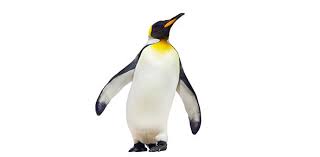
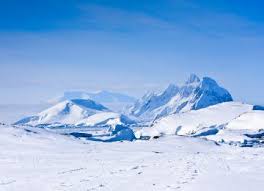
Where does this animal live?
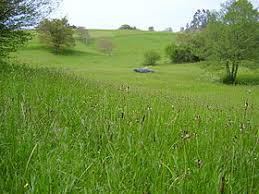
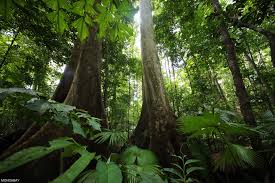
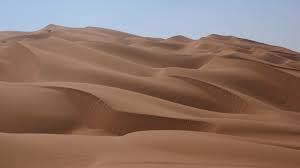
An organism that hunts another organism as a source of energy is called a
prey
producer
herbivore
predator
A pond habitat contains ____________________ all year round.

snow

water

sand

What is a habitat?
The place where an organism dies.
The place where an organism lives.
The place where an organism visits.
Birds have _
Gills
Feathers
Scales
Shell
Penguins have _to swim in water
Fins
Filppres
Birds
Flippers
Rabbit has _ on their body
Fur
Spines
Shells
Scales
Where do camels live
Ocean
Desert
Grassland
Snow place

Star Fish
Measures air pressure
Hygrometer
Barometer
Anemoneter
Rain Gauge
The average weather conditions of a region is...
climate
weather
It is forecasted to rain later today describes...
Weather
Climate


