wayground logo

Free Printable Worksheets

Font size

S
M
L
XL
Worksheets

ecosystem

Total questions: 35

Worksheet time: 47mins

Name
Class
Date
1.

Select all the biotic components in the given ecosystem.

a)

sea turtle

b)

fish

c)

corals

d)

ocean water

e)

temperature

2.

Select all the abiotic components in the given ecosystems.

a)

animals

b)

sunlight

c)

sand

d)

ocean water

e)

air

3.

The living parts of an ecosystem are called ______

a)

BIOTIC COMPONENTS

b)

ABIOTIC COMPONENTS

c)

ENVIRONMENT

4.

Living things that interact with each other and the nonliving components make up an ecosystem.

a)

TRUE

b)

FALSE

5.

Which of the following describes how a biotic factor depends on an abiotic factor to survive?

a)

Plants need water, soil, carbon dioxide, and sunlight from the environment.

b)

The frog catches the dragonfly as food.

c)

The eagle moves around the area using its wings

d)

The leaves of waterlilies provide a place for frogs to rest.

e)

Animals need other organisms for food.

6.

sunlight

a)

BIOTIC COMPONENT

b)

ABIOTIC COMPONENT

7.
a)

BIOTIC COMPONENT

b)

ABIOTIC COMPONENT

8.

temperature

a)

BIOTIC COMPONENT

b)

ABIOTIC COMPONENT

9.

water

a)

BIOTIC COMPONENT

b)

ABIOTIC COMPONENT

10.

fungi

a)

BIOTIC COMPONENT

b)

ABIOTIC COMPONENT

11.

soil

a)

BIOTIC COMPONENT

b)

ABIOTIC COMPONENT

12.
a)

BIOTIC COMPONENT

b)

ABIOTIC COMPONENT

13.

COMPETITION or DEPENDENCE

Choose the relationship between biotic and abiotic factors.

a)

Competition

b)

Dependent

14.

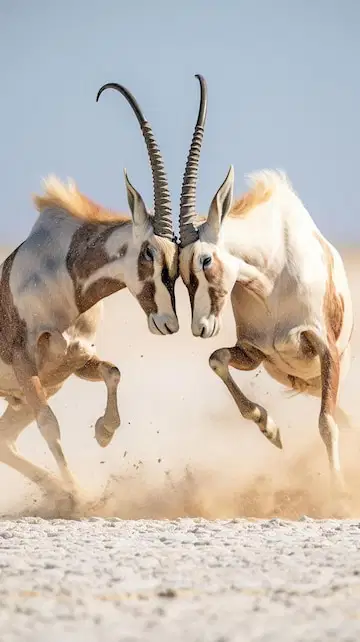
What kind of relationship these two animals have?

a)

Competition

b)

Dependent

15.

What kind of relationship these biotic factors have?

a)

Competition

b)

Dependent

16.

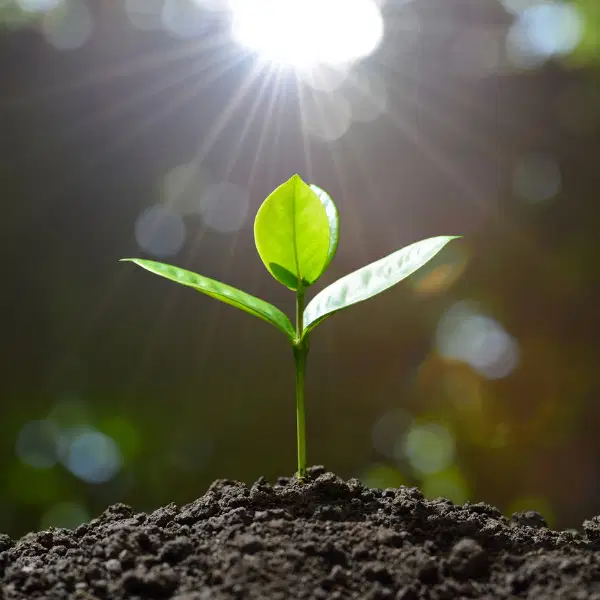
What kind of relationship does the plant and sunlight has?

a)

Competition

b)

Dependent

17.

What kind of relationship in the ecosystem is shown in the picture?

a)

Competition

b)

Dependent

18.

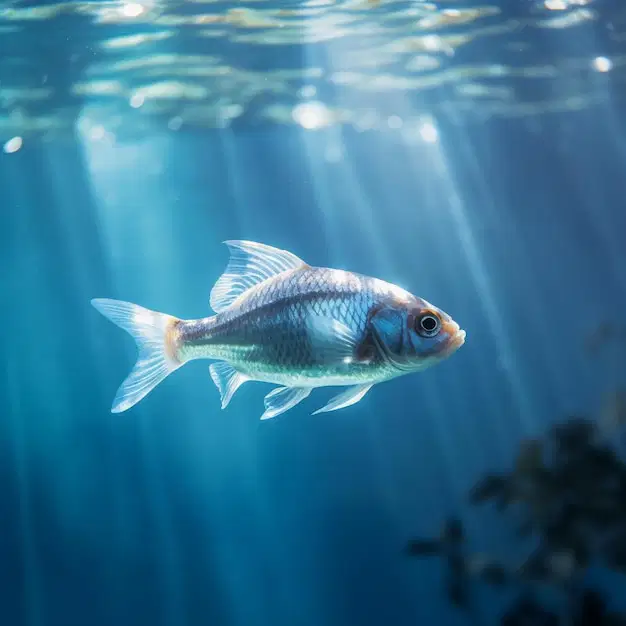
Fish is biotic; water is abiotic:

What is their relationship?

a)

Competition

b)

Dependent

19.

Two plants in one flower pot.

What is the relationship between these two plants.

a)

Competition

b)

Dependency

20.

Plant and Soil.

What kind of relationship do they have?

a)

Competition

b)

Dependent

21.

human is biotic and water is abiotic.

What is the relationship within these two?

a)

Competition

b)

Dependent

22.

Sharks and other kinds of fishes.

What is the relationship between them?

a)

Competition

b)

Dependent

23.
A pearlfish spends the day inside the intestines of a sea cucumber. The fish emerges from the sea cucumber at night to feed on small crustaceans. The sea cucumber is not harmed by this. 
a)
Mutualism
b)
Commensalism
c)
Parasitism
d)
Predation
24.
A cymothoid isopod lives inside the mouth of a snapper fish. The isopod cuts blood vessels in the fish’s tongue, causing the tongue to get destroyed. The isopod then hooks it's pereopods, or legs, to the base of the fish’s tongue, essentially replacing the tongue. The isopod stays there for the rest of its life, feeding on blood, mucus, and stray pieces of food from the fish.   
a)
Mutualism
b)
Commensalism
c)
Parasitism
d)
Predation
25.
A boxer crab carries a pair of small anemones in its claws. When approached by a predator, the crab waves the stinging tentacles of the anemones to deter the predator. The anemones eat the small particles of food dropped by the crab when it is feeding.
a)
Mutualism
b)
Commensalism
c)
Parasitism
d)
Predation
26.
An alpheid shrimp digs and maintains a deep burrow where it lives with a goby fish. The goby fish sits at the entrance, keeping watch for predators, and signals the shrimp with a flick of its tail when it is safe to come out. If a predator swims by, the goby darts into the burrow and the shrimp retreats further inside.
a)
Mutualism
b)
Commensalism
c)
Parasitism
d)
Predation
27.
An alpheid shrimp digs and maintains a deep burrow where it lives with a goby fish. The goby fish sits at the entrance, keeping watch for predators, and signals the shrimp with a flick of its tail when it is safe to come out. If a predator swims by, the goby darts into the burrow and the shrimp retreats further inside.
a)
Mutualism
b)
Commensalism
c)
Parasitism
d)
Predation
28.
Corals feed off the byproducts of microscopic algae living within their own tissue, called zooxanthellae. The algae use photosynthesis to produce food for the corals, which use their energy to extract calcium from the seawater and build their skeletons. The zooxanthellae algae are protected by the hard coral and obtain nutrients from the coral. 
a)
Mutualism
b)
Commensalism
c)
Parasitism
d)
Predation
29.
Athlete’s foot is a fungus growing between and around human toes. The fungus gets nutrients from the human skin. Athlete’s foot causes dry, scaly skin, itching, inflammation and even blisters.
a)
Mutualism
b)
Commensalism
c)
Parasitism
d)
Predation
30.
Bacteria live in the intestines of cows and other organisms. Bacteria help to digest food for the cow. The cow provides a warm, moist environment to live.
a)
Mutualism
b)
Commensalism
c)
Parasitism
d)
Predation
31.
Bald eagles can spot fish swimming in a lake from high altitudes, swoop down, and grab fish to feed their young back in the nest.
a)
Mutualism
b)
Commensalism
c)
Parasitism
d)
Predation
32.
A relationship between two organisms in which both organisms benefit. 
a)
Mutualism 
b)
Predation
c)
Parasitism 
d)
Commensalism 
33.
A coyote captures, kills, and eats a rabbit. What type of symbiotic relationship is this?
a)
Mutualism
b)
Commensalism
c)
Parasitism
d)
Predation
34.
Bacteria that live on the surface of our teeth require sugar from our food to survive. A by-product of their metabolism (body processes) decays the enamel of teeth. What type of symbiotic relationship is this?
a)
Mutualism
b)
Commensalism
c)
Parasitism
d)
Predation
35.
A sparrow will build its nest under the nest of an osprey. The smaller birds get protection because other predators will not mess with the osprey. The osprey are not helped nor harmed by the sparrow.
a)
parasitism
b)
commensalism
c)
mutualism