
Font size
 Worksheets
Enhance your Knowledge in Power Supply Units - Post-Session
Total questions: 20
Worksheet time: 17mins
What “role” does a Power Supply Unit (PSU) play in the “sports complex” of tech?
Choose the option that best describes its purpose.
Software Coach – Organizes the computer’s software like a swim coach managing race schedules.
Graphics Enhancer – Boosts visuals, similar to a diving coach perfecting form.
Power Source – Delivers energy, like a rugby player giving strength to the team.
Cooling Unit – Keeps things from overheating, like an ice bath for athletes.
What’s the PSU’s basic “workout routine” in tech?
Choose the function that best fits its role.
App Manager – Organizes all the software “drills” like a basketball coach setting practice plays.
Power Converter and Distributor – Supplies power to components, like a tennis player keeping the energy up throughout the match.
Cooling Down – Keeps internal components from overheating, like a swimmer cooling down after laps.
Data Storage – Holds key data, like a training log for an athlete’s progress.
The Types of Power Supply “Players” – Who’s on the team?
Pick the lineup that best represents different types of power supplies.
Transformer, Resistor, Capacitor – Foundational players, like rugby forwards, but not all PSU members.
Battery, Solar, Fuel Cell – Alternative energy sources, like triathlon options for different terrains.
Generator, Inverter, Relay – Reliable power managers, like a badminton doubles pair.
Linear, Switching, Uninterruptible (UPS), Programmable, AC-DC, DC-DC – A full lineup for any power game, versatile as a decathlon team.
Linear vs. Switching Power Supplies: What’s their “game style”?
Which description best shows the difference in their energy strategy?
Linear supplies are compact – Compact like a gymnast, fitting perfectly in any setup.
Switching supplies for battery power – Efficient for battery use, like a lightweight sprinter.
High-frequency linear operation – Operates swiftly with efficiency, like a swimmer perfecting strokes.
Linear for steady output, Switching for high-frequency energy – Linear has consistent energy, while Switching is faster, like a badminton shuttle in motion.
Which PSU component is the “key player” for rectifying input voltage?
hint: Like a swimmer diving right into the power “lane.”
(a)
What’s the Transformer’s “flexibility routine” in the PSU gym?
Pick the answer that best describes its role.
Increasing Current – Like a gymnast building strength.
AC to DC Conversion – Changing styles like an all-around athlete.
Changing Voltage Levels – Adjusting like an archer fine-tuning for distance.
Storing Energy – Holding energy reserves, like a marathon runner conserving power.
How does a PSU make the “conversion” from AC to DC?
Think of it like a well-trained archer aiming for precision.
Rectifying, Filtering, and Regulating – Like an archer’s focus: steady aim, fine-tuned release, and on-target accuracy.
Converting DC to AC First – Reversing tactics, like changing strategies mid-tournament.
Amplifying AC Signal Directly – Going big without control, like a power throw in track and field.
Using a Transformer to Increase Voltage – Adding power but missing the full picture.
Choosing Your PSU: Key Specifications to Look For
Imagine picking the right equipment for a championship – which specs matter?
Wattage, Efficiency Rating, Connectors, Form Factor, Protection Features – Like choosing a gymnastic apparatus with the best specs for performance.
Cooling System and Noise Level – Keeping it as cool as a swimmer in a streamlined pool.
Color and Design, Brand Reputation – Eye-catching but not always effective, like flashy gear.
Multiple Channels and High Output – For powerhouse performance, like a multi-event athlete.
Voltage Regulation: What’s its “balance routine” in PSUs?
Pick the option that best captures this concept.
Maintaining Constant Output – Like a gymnast’s steady balance, regardless of the routine’s difficulty.
AC to DC with Zero Loss – Perfectly efficient, like a flawless archery bullseye every time.
Boosting Input Voltage – Building momentum, like a sprinter at the starting block.
Why do efficiency ratings matter in a PSU’s “performance stats”?
Choose the answer that best highlights their significance.
Determines Physical Size – Bigger is better, like lifting heavier in weightlifting.
Relevant for Gaming Only – A specialized “tactic,” like race suits in swimming.
Indicates Casing Color – More decorative than practical, like flashy gear.
Reflects Power Conversion Efficiency – Impacts energy use, cost, and reliability, like an archer’s precision improving focus and control.
How do power supply units IMPACT the performance?
Pick the best answer, considering how PSUs play a role in a tech setup, like players in a game.
Alert!! Tricky answers, please choose wisely
Like a Bowling Ball’s Roll – Ensures smooth and steady power, keeping the system’s performance consistent.
Like a Tennis Racket – Just adds a little flair, but doesn’t really change how well the system performs.
Like a Gutter Ball – Causes the system to “lose track” and miss key components when power is unstable.
Like a Tennis Net – Acts as a barrier to power flow, limiting the system’s performance rather than enhancing it.
Which of the following waveforms would be the "winning shot" expected from the FILTER in the PSU?
Choose the correct waveform that represents the ideal output, just like choosing the perfect shot for a game.
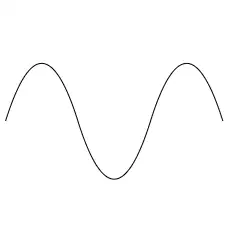
A Smooth, Clean Curve
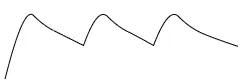
Sharp Spikes
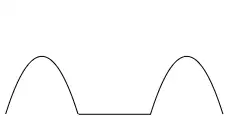
A Steady but a bit of Hiccups
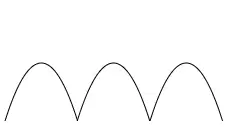
A Wild Bounce
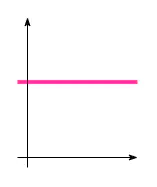
A Clean, Consistent Ace
Which safety feature is as essential to a PSU as good equipment is to a sports team?
High Efficiency Mode (HEM) – Like a tennis racket with top-tier precision.
Active Power Factor Correction (APFC) – Like a bowler’s steady aim, ensuring smooth delivery.
Voltage Regulation Module (VRM) – Like a tennis net that keeps everything in control and prevents errors.
OVP, OCP, SCP, OTP – Like a coach’s playbook, offering protection against overloads, short circuits, and overheating.
Think of the everyday devices powered by a PSU as essential pieces of equipment for athletes—what’s their role in the “game”?
For Outdoor Lighting Systems – Like floodlights that illuminate the field during a late-night game.
Not Necessary for Modern Appliances – Like playing tennis without a racket, it just doesn’t work.
Only Used in Electric Vehicles – Like a tennis ball only meant for one specific court.
Used in Most Common Appliances for Safe Operation – Like a coach ensuring all players have the right gear to perform well.
Power supply filtering is like the “training routine” of your PSU. What’s its role in performance?
Ensures Stable and Clean Power Delivery – Like a well-drilled tennis player keeping the ball in play and avoiding errors.
Has No Effect on Electronic Performance – Like ignoring the warm-up, thinking it’s not needed.
Only Necessary for Large Appliances – Like focusing only on the heavyweights in sports and neglecting the small but crucial players.
Increases Energy Consumption – Like adding extra weight to a bowler’s ball, slowing them down.
Think of a power supply as the "athlete" in your system. What’s its impact on the race to energy efficiency?
Power supplies have no impact on energy consumption – Like a marathon runner with no training, just running aimlessly.
Power supplies affect energy consumption by determining efficiency and energy waste during conversion – Like a sprinter pacing themselves for optimal energy use, ensuring they don’t tire out too soon.
Power supplies only affect voltage levels, not energy usage – Like a runner focusing only on their speed, ignoring the energy spent on the long haul.
Power supplies are irrelevant to energy efficiency calculations – Like saying the shoes don’t matter in a race—they make all the difference!
What improvements can be made to PSU "training" to make them faster, more efficient, and better suited for the long run?
Use up to 1000 characters to share your thoughts! Give it your best shot—think of it as your chance to hit the bullseye! Your ideas will fuel the next race in PSU development.
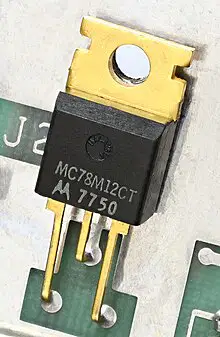
Based on the image of the regulator, fill in the blank:
When included in a PSU design, the output voltage of this regulator is like the "finish line" for the current. It's typically (a) volts.
Think of this as a runner reflecting on the race. What lessons have you picked up about PSUs?
If the PSU was a track event, which part would you want to dive into to understand how it performs in the race?
Transformer – Like the starting block, setting the stage for the power journey.
Rectifier – Like the middle stretch of the race, where the energy is converted and made to flow in the right direction.
Filter – Like the final lap, ensuring everything is smooth and ready for the finish line.
Regulator – Like the coach, keeping everything steady and in control.
Control Unit – Like the race strategist, determining the flow and ensuring no energy is wasted.

