
 Worksheets
2nd-9 4W BELL RINGER
Total questions: 52
Worksheet time: 32mins

What is the meaning of the word "Conquest"?
Victories by invading armies

Why did the Incas not fear the Spanish?
They thought they were safe in their stone cities, high in the mountains

Who was Juan Ponce de Leon?
He claimed Florida for Spain
He claimed lands in California for Spain.
He claimed large areas of the southwestern United States for Spain.
The people in his group were the first Europeans to see the Mississippi River.
What does "Conquistador" mean?

Who was Hernando de Soto?
He claimed Florida for Spain.
He claimed lands in California for Spain.
The people in his group were the first Europeans to see the Mississippi River.
He claimed large areas of the southwestern United States for Spain.
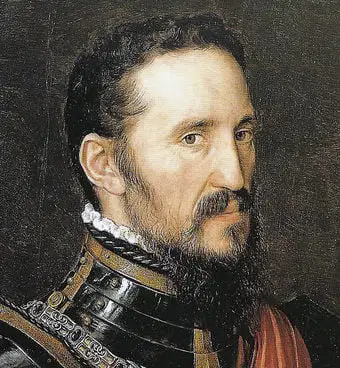
Who was Francisco Vasquez de Coronado?
The people in his group were the first Europeans to see the Mississippi River.
He claimed large areas of the southwestern United States for Spain.
He claimed Florida for Spain.
He claimed lands in California for Spain.
How many people were in the Inca empire?
12 million people
1,000 people
1 million people
10 people, 3 dogs and a cat
How were the Spanish able to defeat the large groups of Native Americans?

Who was Juan Rodriguez Cabrillo?
The people in his group were the first Europeans to see the Mississippi River.
He claimed Florida for Spain.
He claimed lands in California for Spain.
He claimed large areas of the southwestern United States for Spain.

They had not developed any resistance to the disease. What is the meaning of the term "resistance"?
Type of weapon
Ability to remain unaffected by something
Type of medicine
Ability to identify an unfamiliar illness

What is a "settlement"?
A settlement is a type of food.
A settlement is a town created by people in an area previously uninhabited by those people
What does "La Florida" mean?
Full of flowers
Daytona

What was the "Columbian Exchange"?
The Columbian Exchange was the transfer of plants, goods, animals, and ideas between the Americas and the Old World.
Where was the city of Tenochtitlan located?
What did Spain call their newly discovered and claimed land?
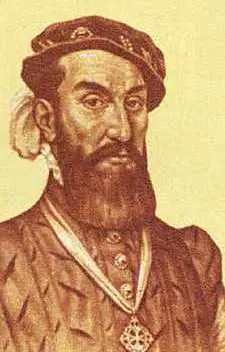
Alvar Nunez Cabeza de Vaca urged the king of Spain to _____ the Native Americans.
be nicer
Which country controlled most of the Americas at this point in history?
Spain
England
France
Russia
What killed the most Native Americans?
Where was the Inca Empire?
seismograph
True or False:
The earth’s surface is covered by 50% water and 50% land
True
False
What layer of the Earth do we live on?
mantle
inner core
crust
outer core

What layer of the Earth is labeled A?
inner core
outer core
mantle
crust

Which layer is made (mostly) of LIQUID iron and nickel?
crust
mantle
outer core
inner core

Which layer of the Earth is the THINNEST?
crust
mantle
outer core
inner core

Which layer of the earth is the hottest?
crust
mantle
outer core
inner core

This layer is made of soil and rocks.
crust
mantle
core
Which layer of Earth has the most volume?
crust
mantle
inner core
outer core
Where on the map did the Pueblo People live?

How did the Pueblo People collect water in the desert?
They created a water company
They built special structures called "rain catchers"
The bought their water at the store
They didn't need water

What are Kachinas?
They are special Pokemon
Kachinas are like special spirits to the Pueblo People
They are strong warriors for hire
They are people who take the Pueblo people's gold

Where did the Navajo people live?
Indiana, Kentucky, and Tennessee areas
California, Nevada, and Colorado areas
Arizona, New Mexico, and Utah areas
Alaska, Washington, and Oregon areas

What were the Apache People known for?
Skilled hunters and warriors
Great tree climbers
Skilled artisans and traders
Knowledgeable healers and shamans

The Navajo lived in homes called...
Hogans
Teepees
Yurts
Cabins

The Apache people lived in homes called...?
Teepee
Wickiup
Longhouse
Yurt

The Tlingit people belong to the same language family as the Navajo and Apache. This means that...
They share a common ancestor
They have similar cultural practices
They have similar religious beliefs
They have similar political systems
Which area of the is the Pacific Northwest

What were totem poles primarily used for by Indigenous peoples of the Pacific Northwest?
As watchtowers to spot approaching danger
As homes for tribal leaders
A way of chronicling their clan and family history

What did people typically do at a potlatch among Indigenous peoples of the Pacific Northwest?
Guests of the family receive gifts, enjoy feasting, and music
Plant crops and build homes
Study the stars and planets
They had staring contests and the winner was allowed to pet the cat

The tribes, like the Inuit, Yupik, and Aleut, adapted to the extreme cold by making their clothes from...
Caribou furs and other animal hides
Plant fibers
Cotton
Fish scales
What historical event is referenced with 'In fourteen ninety-two he sailed the ocean blue'?
The first Thanksgiving
The signing of the Declaration of Independence
Columbus sailing to America
The founding of Jamestown

