
 Worksheets
Topic 3 Review Human Body Systems and Biomolecules
Total questions: 56
Worksheet time: 33mins
Which biomolecule is a source of quick energy for cells?
carbohydrates
lipids
proteins
nucleic acids
Enzymes are special _______ that speed up chemical reactions.
carbohydrates
lipids
proteins
nucleic acids
Which group of biomolecules contains glycerol and fatty acids?
carbohydrates
lipids
proteins
nucleic acids
The breakdown of ________ supplies immediate, quick energy for all cell activities.
carbohydrates
lipids
proteins
nucleic acids

This system breaks down food we eat into nutrients that your body can absorb.
skeletal
muscular
endocrine
digestive

State the general relationship between exercise and heart rate in humans.
If a person exercises, then their heart rate will not change
If a person exercises, then their heart rate will increase
If a person exercises, then their heart rate will decrease
Person exercising and heart rate are not related

carry blood away from the heart.
Capillaries
Veins
Arteries
Lungs

carry blood towards the heart.
Veins
Arteries
Capillaries
Small Intestines

connects arteries to veins, site of exchange for nutrients, waste and oxygen.
Capillaries
Veins
Arteries
Valves
Largest artery in a human body
Superior Vena Cava
Inferior Vena Cava
Aorta
None of the above
Known as the wind pipe
Bronchi
Alveoli
Trachea
The _____ divides into two main sections or branches from the Trachea.
Alveoli
Epiglottis
Bronchi
The muscle that contracts and relaxes to force air in or out of the lungs.
Oral Cavity
Diaphragm
Nasal Cavity
Epiglottis
Air that we exhale?
Oxygen
Carbon Dioxide

In this image, letter C is pointing to the:
lungs
trachea
bronchi
diaphragm

In this image, letter F is pointing to the
lungs
bronchi
diaphraghm
trachea

In this image, letter B is pointing to the
trachea
bronchi
pharynx
alveoli

In this image, letter D is pointing to the
trachea
bronchi
lungs
alveoli
The bronchi branch out into many different smaller tubes which take oxygen to the alveoli. What are these tiny tubes called?
trachea
larynx
pharynx
bronchioles
Mashing with teeth and stomach churning are examples of
chemical digestion
peristalsis
mechanical digestion
propulsion
True or False: Both mechanical and chemical digestion take place in the stomach.
True
False

In the picture, the small green structure, which was absent in the rat but responsible for storing bile in humans, is the
liver
pancreas
gallbladder
epiglottis

In the picture, the large organ found in red (which was clearly evident in the rat dissection too) is the
stomach
gallbladder
liver
large intestine
The small intestine is lined with villi which are responsible for
absorption
chemical breakdown
peristalsis
propulsion
Most of the excess water in food is absorbed in the ____ before undigested byproduct is packaged as waste.
stomach
liver
large intestine
pancreas
Carbohydrates are broken down into _____ and their main function is _____.
monosaccharides; provide living things with energy
monosaccharides; provide body insulation
amino acids; provide living things with energy
amino acids; provide body insulation

What is organ R?
(a)

What is this organ?

What is this organ?
Which organ(s) remove waste gases?
Bladder and kidneys
Lungs
Large intestine

What is organ is #1?
Kidney
Stomach
Bladder
Heart
What organ is #3?
Kidney
Stomach
Bladder
Heart
True or False:
Kidneys filter waste from blood.
True
False

Which of the following is NOT part of your excretory system?
Heart
Lungs
Kidneys
Skin

Why is your skin part of the excretory system?
Sweating gets rid of salt and water
Exhaling releases carbon dioxide
Sweating gets rid of carbon dioxide
The large intestine releases feces
What organ is responsible for the excretion of carbon dioxide?
heart
brain
lungs
bladder
2. Which biomolecules contains your genetic information?
Proteins
Lipids
Carbohydrates
Nucleic Acids
2. Which biomolecules helps give you quick energy?
Proteins
Lipids
Carbohydrates
Nucleic Acids
9. Amino Acids are the monomers of __________.
Nucleic Acids
Proteins
Carbohydrates
Lipids
6. The monomer of carbohydrates is known as _______.
Amino Acid
Fatty Acid
Nucleotide
Monosaccharide
6. The monomer of Nucleic Acid is known as _______.
Amino Acid
Fatty Acid
Nucleotide
Monosaccharide
3. Which biomolecules act as energy storage for the cell and also cushions and insulates organs?
Carbohyrdates
Lipids
Proteins
Nucleic Acids
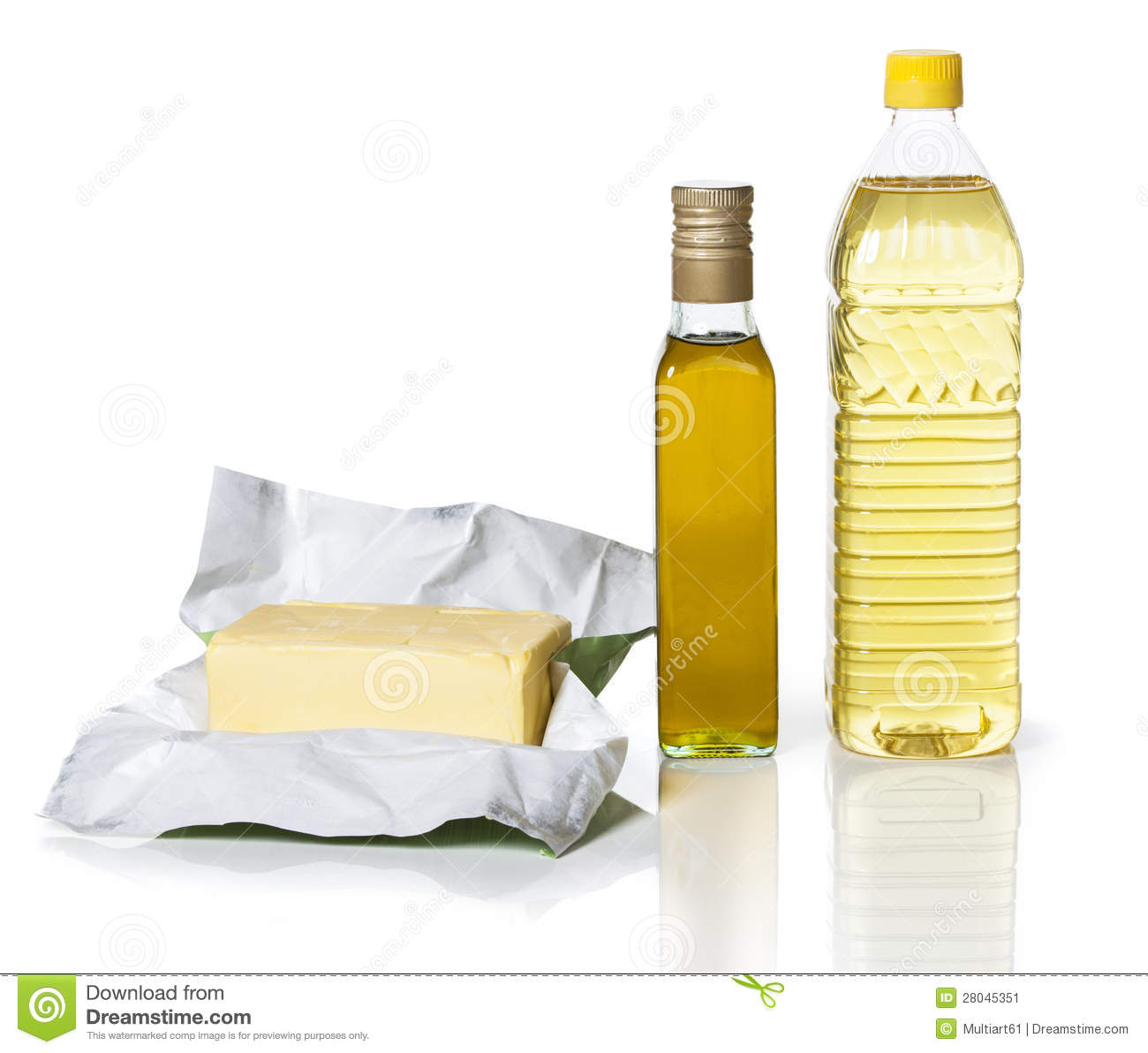

Which biomolecule helps form muscles and help with structural support??
Nucleic Acid
Carbohydrate
Protein
Lipids

A monomer is ...
a single atom
a building block for polymers
a single element
is an inorganic molecule
What are the monomers of a lipid?
fat cubes and glycogen
glycerol and amino acids
fatty acids and glycerol
amino acids
Why are Cilia important in the respiratory system?
The absorb nutrients
They collect dirt and mucus to be expelled when you cough
they absorb CO2
They are not, they are part of the digestive system
What is the main job of the urinary bladder?
To digest food
To store urine and release it from your body
To pump blood
To produce oxygen
What is the main job of the kidneys?
To produce blood
To take waste products from your blood
To digest food
To pump oxygen
Which Graph shows that an enzyme works best at a pH of 4?


Which Enzyme works best at a temperature of 37?
Enzyme A
Enzyme B

