
 Worksheets
Quizizz: Conservation of Mass
Total questions: 25
Worksheet time: 47mins

How many grams of sulfuric acid were used in the reaction?
62 g
98 g
36 g
100 g

What happens to the total mass as the reaction takes place?
The mass increases
The mass decreases
The mass remains constant
The mass first increases then decreases
Oxygen and oxygen containing compounds are involved in many different reactions. Which Balanced equation represents a reaction that involves 14 atoms of Oxygen?


How many atoms are present if there is no subscript following the element symbol?
0
2
only 1
1 million
The Coefficient (3) in the Chemical Formula, 3H2O, tells you how many _____________ there are.
Atoms of Hydrogen
Atoms of Oxygen
Atoms of Water
Molecules of Water
How many sulfur atoms are on the reactant side of the equation?
Ca3(PO4)2 + 2H2SO4 → 2CaSO4 + Ca(H2PO4) 2
2
3
4
8
How many molecules of HCl are in this equation:
Zn + 2HCl → ZnCl2 + H2
1
2
3
4

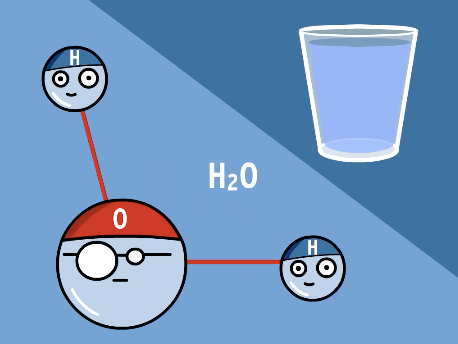
Which equation represents the model below?
2SO2 + O2 --> 2SO3
N2 + H2 --> NH3
2S2O + S2 --> S3O
2H2O + O2 --> 2H3O
4 grams of hydrogen and 32 grams of oxygen will combine to form:
36 grams of water
28 grams of hydroxide
32 grams of oxygen
36 grams of deuterium
What would you have to do to prove that matter is conserved when a piece of paper is burned?
Measure the mass of the paper before and after burning
Observe the color change of the paper
Calculate the temperature of the flame
Compare the size of the paper before and after burning

How many Hydrogen molecules are in the reactants?
4
2
8
1

What are the products in this chemical equation?
CO2 + H2O
H2O
C6H12O6
C6H12O6 + O2

Select the chemical formula for this molecule?
B1F3
BF
BF3
FB
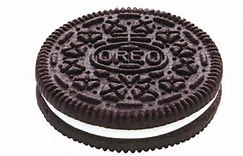
An oreo cookie has a mass of 20 grams. It gets crushed into crumbs for a recipe. What is the mass of the crumbs?
15 grams
25 grams
20 grams
When sodium and chlorine combine to form sodium chloride, sodium chloride is the:
Originator
Reactant
Product
H2 + O --> H2O
substances that result from a chemical reaction

