
 Worksheets
Lesson 5 Practice
Total questions: 20
Worksheet time: 10mins
Name
Class
Date
1.
1. What are each of the 3 blood vessels function?
a)
Arteries carry blood to the heart, veins carry blood away from the heart, and capillaries exchange gases, nutrients, and waste.
b)
Arteries, veins, and capillaries all carry blood to and from the heart.
c)
Arteries carry blood away from the heart, veins carry blood to the heart, and capillaries exchange gases, nutrients, and waste.
d)
Arteries carry blood to the heart, veins carry blood away from the heart, and capillaries transport oxygen.
2.
2. What are all the different parts of our blood?
a)
Red blood cells, white blood cells, plasma, platelets
b)
Red blood cells, plasma, fat cells, white blood cells
c)
Plasma, white blood cells, lymph, platelets
d)
White blood cells, red blood cells, water, platelets
3.
3. What is osmosis? Choose the best answer
a)
Movement of water from a higher concentration to an area of low concentration.
b)
Movement of water from a lower concentration to an area of high concentration.
c)
Movement of water across a non permeable membrane
d)
The process by which cells actively transport molecules against a concentration gradient.
4.
4. What is diffusion?
a)
Movement of molecules from a higher concentration to an area of low concentration
b)
Movement of molecules from a lower concentration to an area of higher concentration
c)
The process by which particles stay in a fixed position and do not move.
d)
The process by which cells divide to form two identical cells.
5.
5. Which of the following is an example of something that is non-permeable
a)
Coffee Filter
b)
rubber glove
c)
Sponge
d)
Screen door
6.
6. _________________ is the clear, jelly-like substance that surrounds the cell.
a)
cytoplasm
b)
cell membrane
c)
nucleus
d)
cell wall
e)
chloroplasts
7.
7. The ________________ is the cell part that is located at the center of the cell and contains the genetic information. It also controls cell activities.
a)
nucleus
b)
cell membrane
c)
cytoplasm
d)
cell wall
e)
chloroplasts
8.
8. The __________________ are the parts of a plant cell that produce food through photosynthesis
a)
chloroplasts
b)
cell membrane
c)
nucleus
d)
cytoplasm
e)
cell wall
9.
9. The thin layer that allows some materials to pass in and out of the cell is the _____________________.
a)
cell membrane
b)
nucleus
c)
cytoplasm
d)
cell wall
e)
chloroplasts
10.
10. The ___________________ is only found in the plant cell. It protects the cell and helps to maintain its shape.
a)
cell wall
b)
cell membrane
c)
nucleus
d)
cytoplasm
e)
chloroplasts
11.
11. Produces energy for the cell through cell respiration. ___________________________
a)
Mitochondria
b)
cell membrane
c)
nucleus
d)
cytoplasm
e)
cell wall
12.
12. Produces Proteins on the Endoplasmic Reticulum ___________________
a)
ribosomes
b)
cell membrane
c)
nucleus
d)
cytoplasm
e)
cell wall
13.
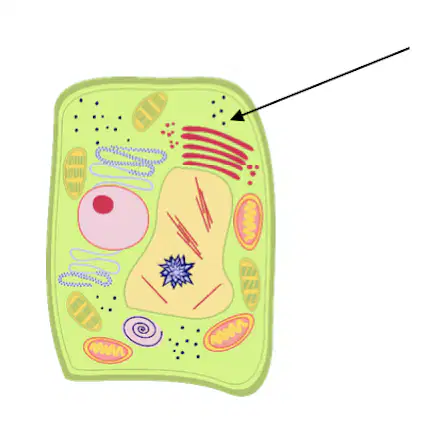
13.
a)
Ribosomes
b)
Cell Membrane
c)
Nucleus
d)
Cytoplasm
e)
Cell Wall
14.
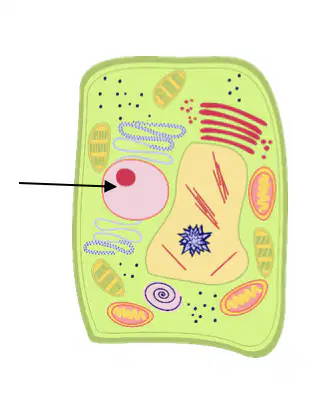
14.
a)
Nucleus
b)
Cell Membrane
c)
Cytoplasm
d)
Cell Wall
e)
Green Chloroplasts
15.
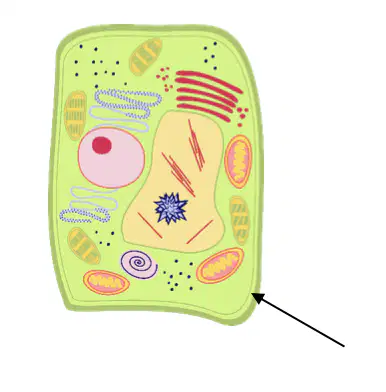
15.
a)
Cell Membrane
b)
Nucleus
c)
Cytoplasm
d)
Cell Wall
e)
Green Chloroplasts
16.
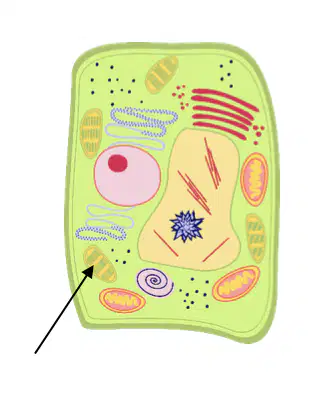
16.
a)
Green Chloroplasts
b)
Cell Membrane
c)
Nucleus
d)
Cytoplasm
e)
Cell Wall
17.
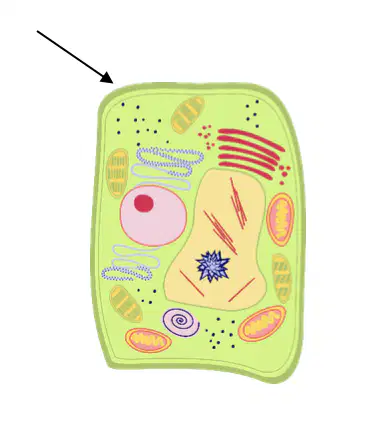
17.
a)
Cell Wall
b)
Cell Membrane
c)
Nucleus
d)
Cytoplasm
e)
Green Chloroplasts
18.
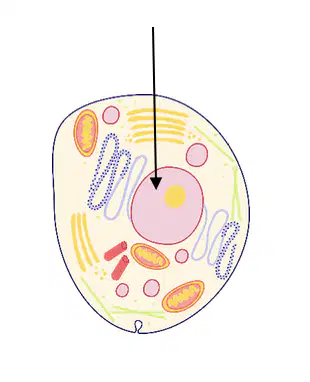
18.
a)
Nucleus
b)
Cell Membrane
c)
Cytoplasm
d)
Cell Wall
e)
Green Chloroplasts
19.
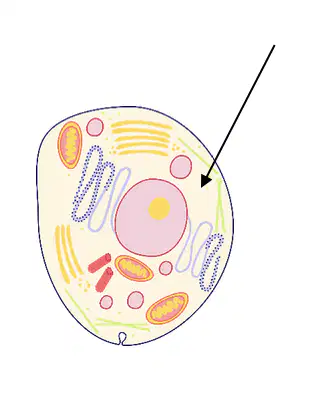
19.
a)
Cytoplasm
b)
Cell Membrane
c)
Nucleus
d)
Cell Wall
e)
Green Chloroplasts
20.
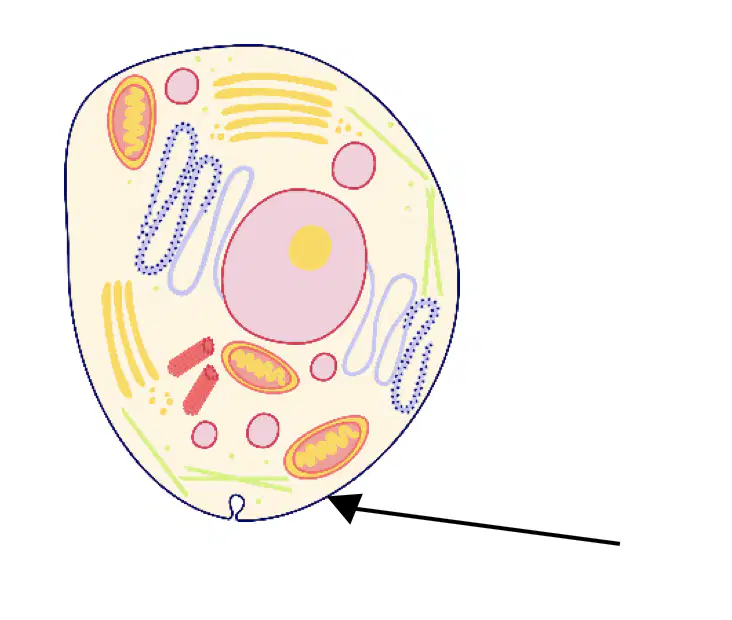
20.
a)
Cell Membrane
b)
Nucleus
c)
Cytoplasm
d)
Cell Wall
e)
Green Chloroplasts
100 %

