
 Worksheets
1.11 Vocabulary - East and Southeast Asia
Total questions: 16
Worksheet time: 8mins
Name
Class
Date
1.
Define population density
a)
Population density is the total area of a country divided by its population.
b)
Population density is the total number of animals in a habitat.
c)
Population density refers to the average age of a population.
d)
Population density is the number of people living per unit of area.
2.

Define pollution
a)
Pollution is the process of cleaning the environment.
b)
Pollution is the contamination of the environment by harmful substances.
c)
Pollution refers to the natural state of the ecosystem.
d)
Pollution is the absence of any harmful substances in the air.
3.

Define public transportation
a)
Public transportation is only for tourists.
b)
Public transportation includes only private vehicles.
c)
Public transportation is a service for freight and cargo only.
d)
Public transportation is a system of transport available for use by the general public, including buses, trains, and subways.
4.
Define resource consumption
a)
Resource consumption is the measurement of time taken to produce goods.
b)
Resource consumption refers to the total amount of money spent on production.
c)
Resource consumption is the use of resources in the production of goods and services.
d)
Resource consumption is the process of recycling materials after use.
5.

define clean energy
a)
Clean energy is energy generated from renewable sources that do not pollute the environment.
b)
Clean energy is energy derived from fossil fuels.
c)
Clean energy is energy that is always available regardless of the source.
d)
Clean energy is energy that is produced in nuclear power plants.
6.
define adaptation
a)
Adaptation is the ability to remain unchanged in any environment.
b)
Adaptation refers to the physical changes in the climate.
c)
Adaptation is the process of creating new species.
d)
Adaptation is the process by which we adjust to their environment to enhance survival.
7.
define modification
a)
Modification is the process of creating something new.
b)
Modification refers to the removal of elements.
c)
Modification is the act of preserving something unchanged.
d)
Modification is the act of changing something.
8.
define sustainability
a)
Sustainability is the act of consuming resources at an accelerated rate.
b)
Sustainability is the process of maximizing profits regardless of environmental impact.
c)
Sustainability refers to the ability to exploit resources without any limitations.
d)
Sustainability is the practice of maintaining processes in a way that does not deplete resources or harm ecological systems.
9.
define physical geography
a)
Physical geography focuses solely on human activities.
b)
Physical geography is the study of the Earth's political boundaries.
c)
Physical geography examines only the climate of a region.
d)
Physical geography is the study of the Earth's natural features and processes.
10.
define urbanization
a)
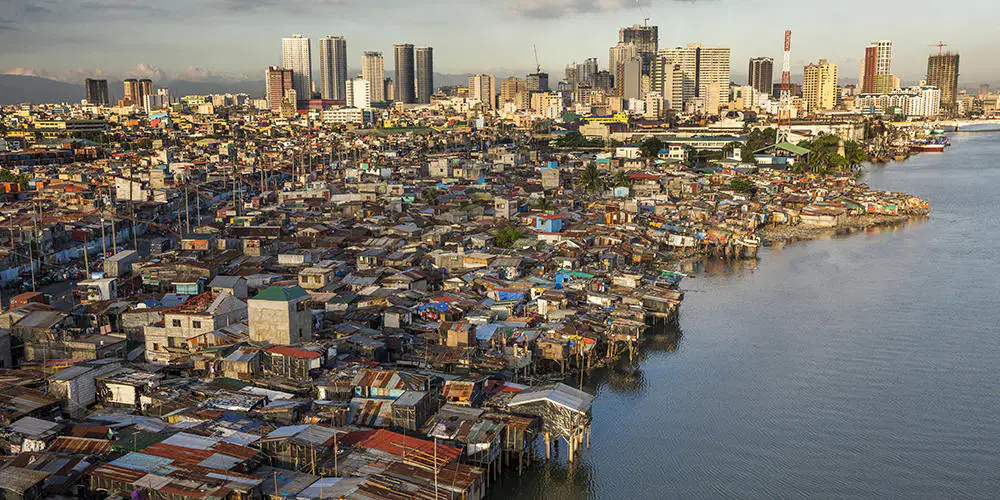
Urbanization is the process of population shift from rural to urban areas, leading to the growth of cities.
b)
Urbanization is the process of building rural communities in urban settings.
c)
Urbanization refers to the increase in agricultural activities in rural regions.
d)
Urbanization is the decline of urban areas due to population loss.
11.
define economies
a)
Economies are systems that manage the production, distribution, and consumption of goods and services.
b)
Economies refer to the study of animal behavior.
c)
Economies are only about financial transactions.
d)
Economies are systems that only focus on agriculture.
12.
define cultural influences
a)
Cultural influences have no impact on individual behavior.
b)
Cultural influences are only related to art and music.
c)
Cultural influences are the effects that a culture has on the behaviors, beliefs, and values of individuals.
d)
Cultural influences are solely determined by government policies.
13.

define innovation
a)
Innovation is the same as invention without any improvements.
b)
Innovation is solely about technology advancements.
c)
Innovation refers only to artistic creativity.
d)
Innovation is the process of developing new ideas or improving existing products, services, or processes.
14.
define wages
a)
Wages are the benefits provided to employees, such as health insurance.
b)
Wages are the payment received for work or services.
c)
Wages are a type of tax imposed on income.
d)
Wages refer to the total amount of money in a bank account.
15.

define consumer
a)
An individual or entity that purchases goods or services for personal use.
b)
An individual who only consumes food and drinks.
c)
An organization that produces goods for sale.
d)
A person who sells goods or services.
16.
define agriculture
a)
Agriculture is the study of animal behavior.
b)
Agriculture refers to the urban development of cities.
c)
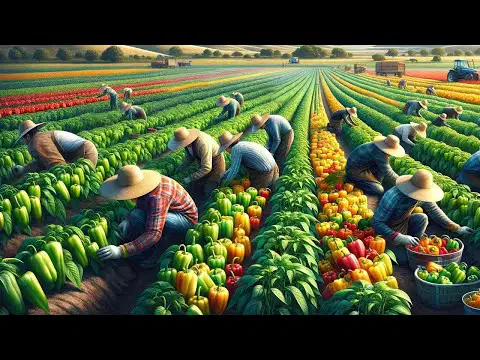
Agriculture is the practice of cultivating soil, growing crops, and raising animals.
d)
Agriculture is solely the process of fishing.
100 %

