
 Worksheets
Concerto including cadences and ornaments
Total questions: 60
Worksheet time: 32mins
Identify the cadence featured in this example
Perfect
Plagal
Imperfect
Interrupted
The cadence is this example is a/an
Perfect
Plagal
Imperfect
Interrupted
The cadence in this example is a/an
Perfect
Plagal
Imperfect
Interrupted
The cadence is this example is a/an
Perfect
Plagal
Imperfect
Interrupted
The cadence in this example is a/an
Perfect
Plagal
Imperfect
Interrupted
The cadence in this example is a/an
Perfect
Plagal
Imperfect
Interrupted
The cadence in this example is a/an
Perfect
Plagal
Imperfect
Interrupted
The cadence in this example is a/an
Perfect
Plagal
Imperfect
Interrupted
The cadence in this example is a/an
Perfect
Plagal
Imperfect
Interrupted
The two cadences in this example are:
Perfect followed by imperfect
Imperfect followed perfect
Imperfect followed by interrupted
Interrupted followed by imperfect
A plagal cadence is made up of chords...
IV - I
V - I
I - V
ii - V
A perfect cadence is made up of chords...
IV - I
I - V
V - I
V - vi
An interrupted cadence is made up of the chords...
I - V
V - I
V - vi
IV - vi
An imperfect is usually made up of the chords...
V - vi
I - V
ii - iii
V - I

Which of these musical eras are in the correct order?
Baroque - Classical - Romantic
Romantic - Classical - Baroque
Classical - Romantic - Baroque
Classical - Baroque - Romantic

A Solo section within a concerto where the soloist plays in a virtuosic manner
Cadenza
Coda
Recapitulation
Exposition
The concerto grosso was used in which era?
Classical
Romantic
Baroque
Renaissance

The Ripieno is...
The bass part in a concerto grosso
The soloists in a concerto grosso
The orchestral backing in a concerto grosso

What is the name given to this style of bass?
Albert
Alberti
Albertina
Albeback

Concertos of the Baroque era used mainly...
Primary chords
Secondary chords
Diminished Chords
Vocal Chords

The Classical era used mainly...
Diatonic harmony
Chromatic harmony
Vocal harmony
What is a concerto?
A piece for a solo instrument accompanied by an orchestra
A piece for a small group of solo instruments accompanied by an orchestra
A piece for an orchestra without any solo instruments
A piece for a solo instrument without any accompaniment
What is the main idea of a concerto?
To showcase the orchestra
To showcase the conductor
To showcase the solo player
To showcase the composer
What is a tutti section in a concerto?
When the soloist plays alone
When the orchestra plays all together
When the orchestra accompanies the soloist
When the soloist and orchestra play in harmony
Which instruments were commonly used in the Classical period?
Violin, cello, harpsichord, and recorder
Flute and oboe
Clarinet and piano
Trumpet and trombone
What is a cadenza in a classical concerto?
A section where the orchestra stops playing and the soloist improvises
A section where the orchestra plays all together
A section where the soloist and orchestra play in harmony
A section where the soloist plays alone

When was the Classical Time Period?
1400-1600
1600-1750
1750-1820
1820-1900

A symphonic piece of music featuring a solo performance WITH the symphony/orchestra
Sonata
Concerto
Symphony
Serenade
Which classical composer bridged the gap into the Romantic period?
Mozart
Scarletti
Beethoven
Haydn
The harpsichord is featured in classical music
True
False
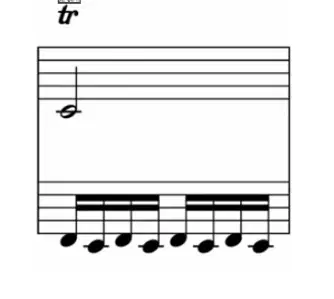
What Musical ornament can you see?
Trill
Appoggiatura
Accaciatura
Mordent
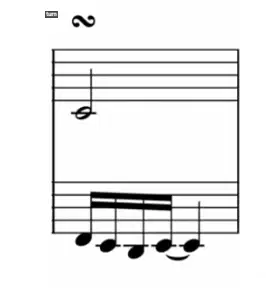
What Musical ornament can you see?
Trill
Turn
Accaciatura
Mordent

What Musical ornament can you see?
Trill
Turn
Accaciatura
Mordent
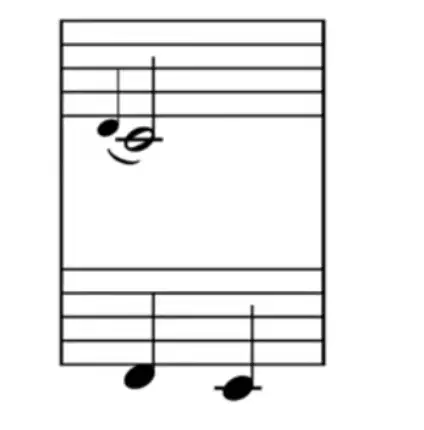
What Musical ornament can you see?
Trill
Appoggiatura
Accaciatura
Mordent
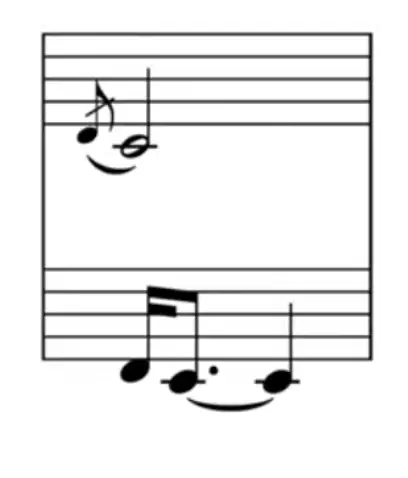
What Musical ornament can you see?
Trill
Appoggiatura
Accaciatura
Mordent
Which musical period is this extract from>
Baroque
Classical
Romantic
What Instrument can you hear?

French Horn

Trumpet

Saxophone
What Ornament can you hear?

Apoggiatura

Acciatura

Upper Mordent

Lower / inverted Mordent
What Ornament can you hear?
Apoggiatura
Acciatura
Upper Mordent
Lower / inverted Mordent
What Ornament can you hear?
Apoggiatura
Acciatura
Upper Mordent
Lower / inverted Mordent
What Ornament can you hear?
Apoggiatura
Acciatura
Upper Mordent
Lower / inverted Mordent
What Ornament can you hear?
Apoggiatura
Acciatura
Upper Mordent
Lower / inverted Mordent
What Ornament can you hear?
Apoggiatura
Acciatura
Upper Mordent
Lower / inverted Mordent
What Ornament can you hear?
Apoggiatura
Acciatura

Turn

Trill
What Ornament can you hear?
Apoggiatura
Acciatura
Turn
Trill
What Ornament can you hear?
Apoggiatura
Acciatura
Turn
Trill
What Ornament can you hear?
Apoggiatura
Acciatura
Turn
Trill
Which of the following best describes the Baroque period?
1400 - 1600
1600 - 1750
1750 - 1820
1820 - 1900
What is the role of the concertino in a concerto grosso?
A smaller group of soloists
The conductor
The audience
The larger group of instruments
What does "Timbre" refer to in music?
The speed
Note length
Sound quality or tone colour
High or Low
What is the definition of "Pitch" in music?
Loud or Soft
High or Low
The speed
The Musical Plan
What does "Duration" refer to in music?
The gaps between the notes
Note length
Sound quality or tone colour
Effect or intensity of the music played together
What Instrument can you hear?

Clarinet

Saxophone

Tuba

