wayground logo

Free Printable Worksheets

NEW

Font size

S
M
L
XL
Worksheets

Vegetable Industry #1C: Crops

Total questions: 22

Worksheet time: 11mins
Name
Class
Date
1.
Grain, fruit, or fiber gathered from a planted field as a harvest during a particular season.
a)
cover crop
b)
fuel crops
c)
corn
d)
crop
2.
The vegetable crops we are most used to seeing in grocery produce sections, as well as vegetable- and grain-based processed foods (oils, starches, proteins, and flours).
a)
root crops
b)
feed crops
c)
food crops
d)
fuel crops
3.
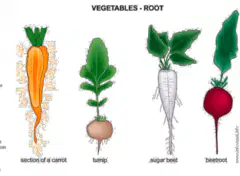
Refers to crops where you eat the underground portion, or root, like onion, sweet potato, beet, carrot, rutabaga, turnip, radish, ginger, and horseradish. Some of these crops are actually underground tubers that stem off the roots, such as potato, yams, and artichoke.
a)
fuel crops
b)
feed crops
c)
food crops
d)
root crops
4.

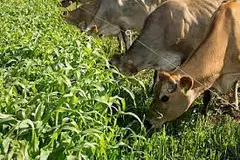
Crops that livestock either feed on in the fields as forage or eat cut, dried, and stored.

a)
food crops
b)
fiber crops
c)
fuel crops
d)
feed crops
5.

What type of forage is cut and dried until it contains low moisture for longterm storage?

(Forage is what herbivores graze on.)

a)
hay
b)
silage
c)

strawberries

d)
grain
6.
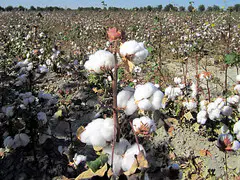
Crops grown to produce fiber for non-edible fabric products, like cotton, flax (for linen), and hemp.
a)
cover crop
b)
fiber crops
c)
fuel crops
d)
feed crops
7.

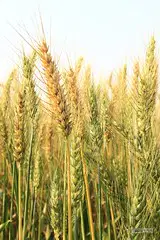
Any grass cultivated for the edible components of its grain, composed of the endosperm, germ, and bran. Examples include corn, wheat, oats, barley, rice, rye...
a)
cereal (or grain) crops
b)
feed crops
c)
root crops
d)
fiber crops
8.
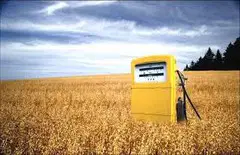
Crops grown to be processed into ethanol, biodiesel, and other biofuels.
a)
fiber crops
b)
food crops
c)
feed crops
d)
fuel crops
9.
A crop grown for the protection and enrichment of the soil, but not intended for harvesting. Usually, these crops are tilled back into the soil as a green manure, but they also help prevent weed growth.  Also called green manure.
a)
cover crop
b)
fuel crops
c)
fiber crops
d)
food crops
10.
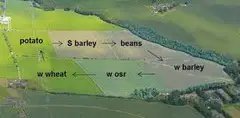
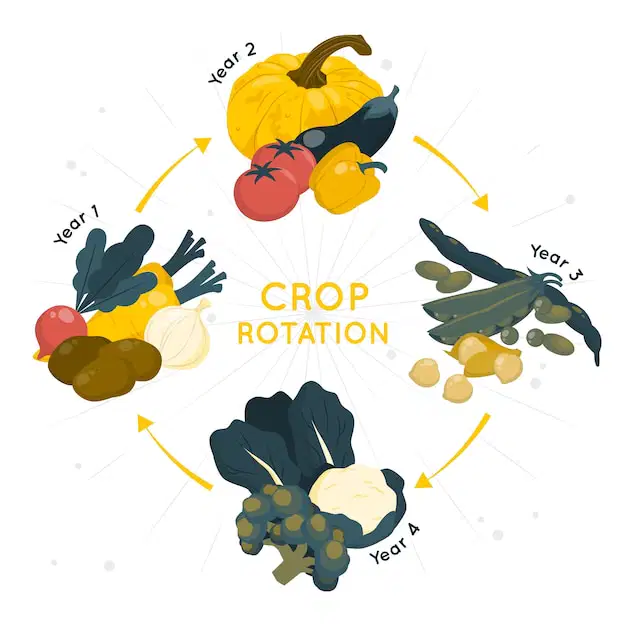
The practice of rotating use of different fields from crop to crop each year, to avoid exhausting the soil and building up plant pests.
a)
crop
b)
cover crop
c)
crop rotation
d)
root crops
11.

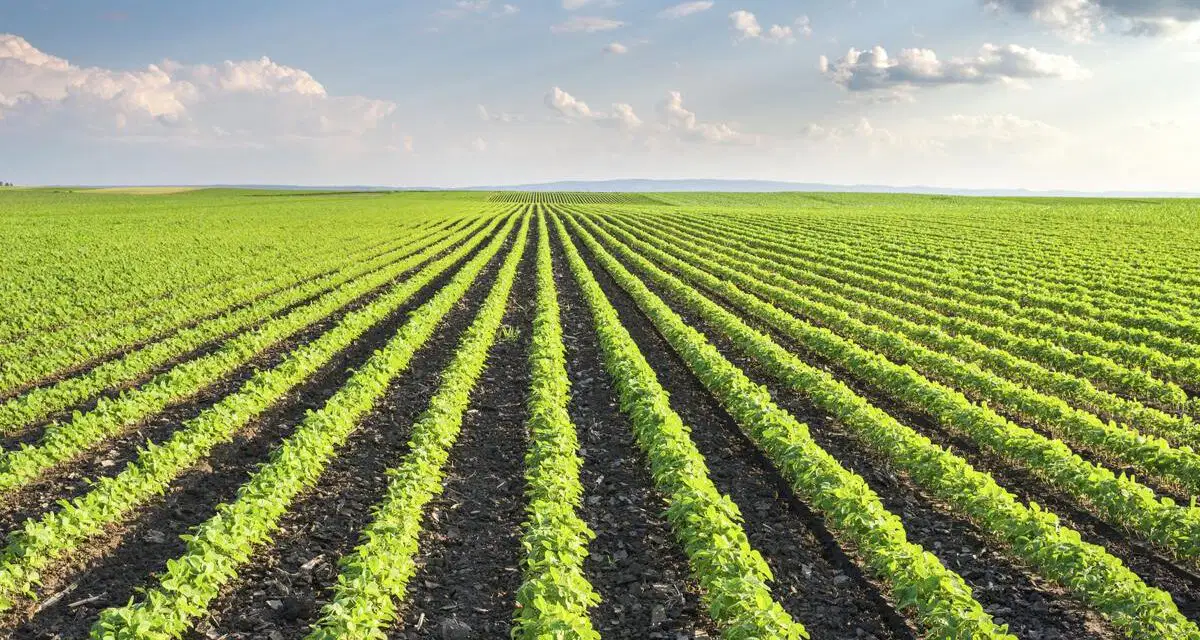
*If a farmer planted corn on even years and soybeans on odd years, what conservation practice is she using?
a)
Monoculture
b)
Intercropping
c)
Cover cropping
d)
Crop rotation
12.

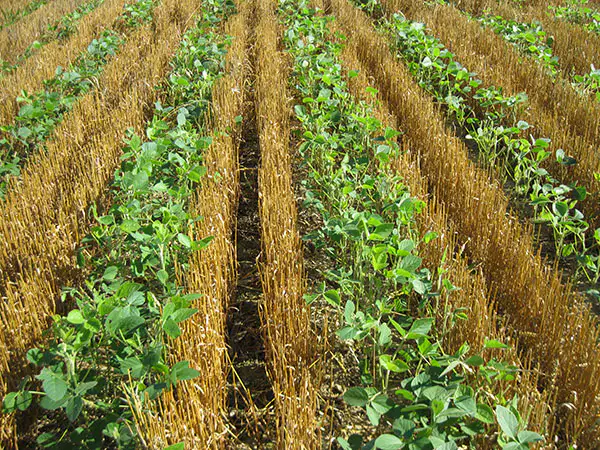
The process of cultivating a single crop species for a lengthy period of time on a farm or in an agricultural area.

As a result, there is less biodiversity, which raises the risk of disease and insect outbreaks, degrades the soil, and lowers soil fertility.
a)
Monoculture
b)
Polyculture
c)
Intercropping
d)
Crop Rotation
13.

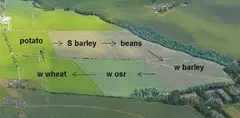
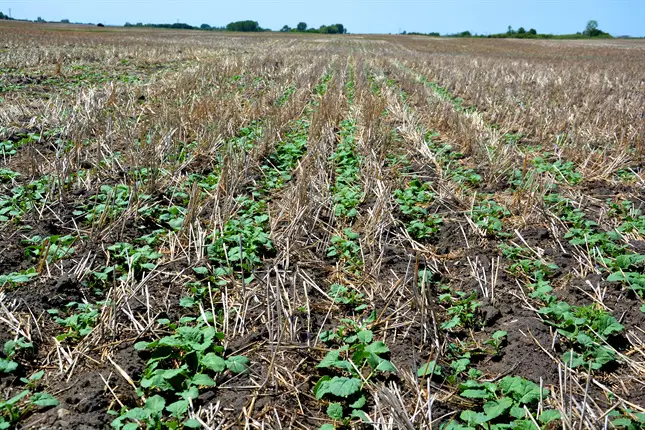
A polyculture practice where two or more crops are grown simultaneously on the same land, aiming to maximize resource utilization and potentially increase yields or diversify harvests. 

One crop, for instance legumes, might add soil nutrients for the other crop.
a)
Crop rotation
b)
Intercropping
c)
Hydroponics
d)
Monoculture
14.

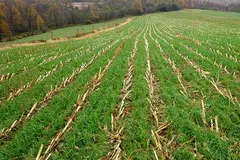
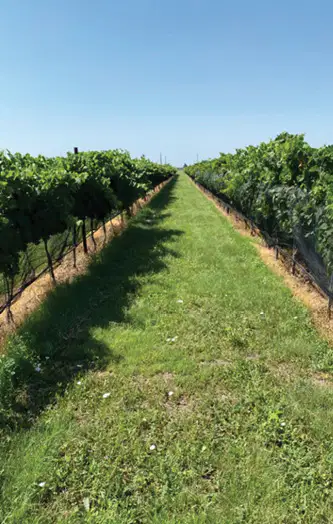
Planting method in which farmers disturb surface topsoil and vegetation as little as possible.

A seed drill is used with minimal tilling just for planting cover crops or intercropping.

a)
No-till farming
b)

Conservation tillage (low till farming)
c)
Deep plowing
d)
Conventional tillage
15.

Type of farming in which the soil is not disturbed at all, a seed drill is used, and the natural groundcover is used as the cover crop.
a)
No-till farming
b)
Organic farming
c)
Conventional tillage
d)
Hydroponic farming
16.

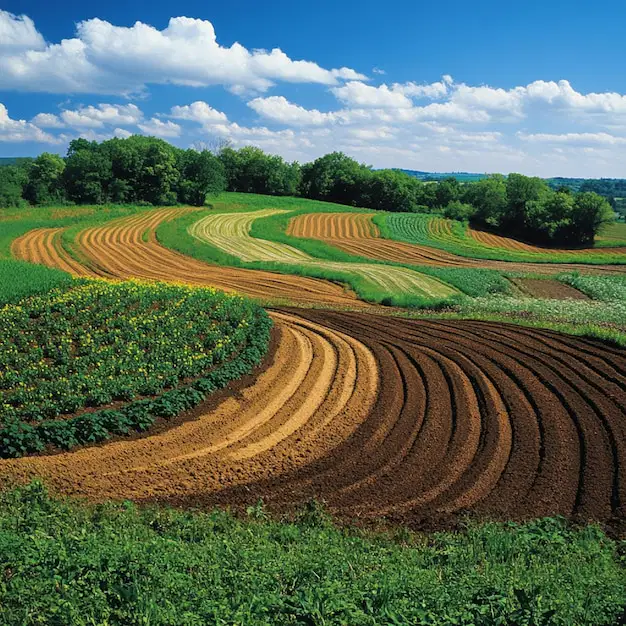
A farming practice where crops are grown "on the level" across or perpendicular to a slope rather than up and down the slope.
a)
Hydroponics
b)
Contour farming
c)
Terracing
d)
Row cropping
17.

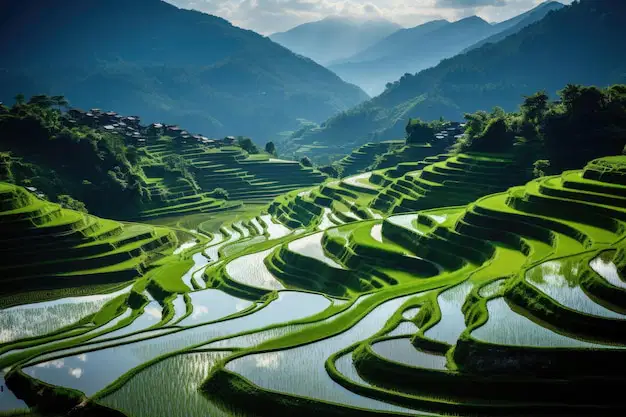
What is terracing?

a)

asking one girl to the prom, then retracting the invitation and inviting another

b)

putting down bricks to make a patio

c)

planting on the sides of hills

d)

a type of art where there are multiple layers of detail
18.

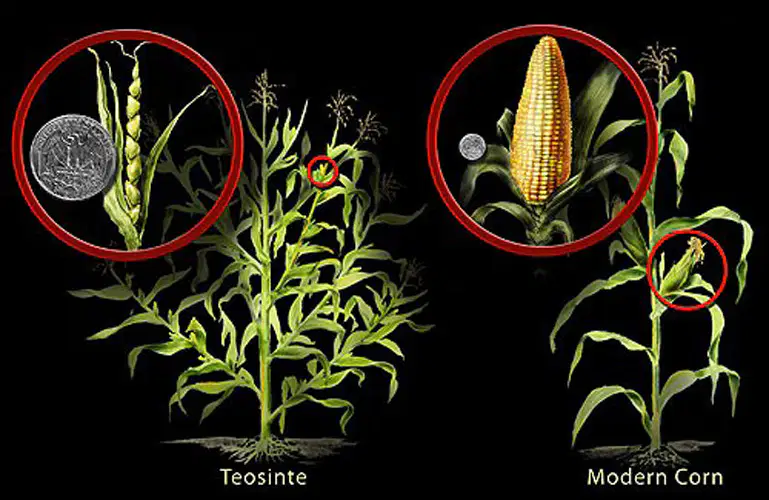
The process of adapting wild plants and animals for human use.

Humans assume complete control of an animal's and/or plant's lifecycle.
a)
Domestication
b)
Cultivation
c)
Wildcrafting
d)
Farming
19.
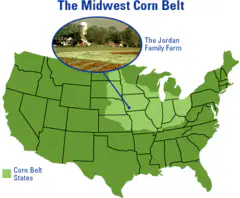
Biggest crop grown in the US, followed by wheat and soy. However, only a fraction of this crop is used to feed people. Most is used to produce animal feed (50%), ethanol (40%), and high-fructose syrup (5%).
a)
cover crop
b)
soybeans
c)
crop
d)
corn
20.
Largest US agricultural product exported to global markets. 2nd place is corn, 3rd is tree nuts.
a)
corn
b)
soybeans
c)
root crops
d)
food crops
21.
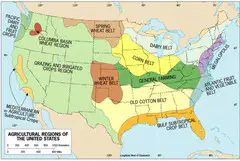
Cotton, peanut, tobacco, soybean, corn, sweet potatoes, wheat, oats, sourghum, hay...
a)
major crops of Florida
b)
fiber crops
c)
major crops of the Southeast
d)
root crops
22.
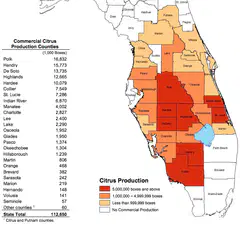
Oranges (and other citrus), followed by tomatoes and sugarcane.
a)
root crops
b)
major crops of Florida
c)
fiber crops
d)
major crops of the Southeast