
 Worksheets
Term 2 Week 5
Total questions: 25
Worksheet time: 13mins
Name
Class
Date
1.
The sum of all the forces acting on an object within a system; includes both magnitude and direction
a)
net force
b)
force
c)
motion
d)
acceleration
e)
mass
2.
A push or pull between two objects
a)
net force
b)
force
c)
motion
d)
acceleration
e)
mass
3.
An act, process, or instance of changing position or location
a)
net force
b)
force
c)
motion
d)
acceleration
e)
mass
4.

A measurement of the change in motion of an object (speeding up, slowing down, or changing direction)
a)
net force
b)
force
c)
motion
d)
acceleration
e)
mass
5.
The amount of matter in a substance, measured in grams or kilograms.
a)
net force
b)
force
c)
motion
d)
acceleration
e)
mass
6.

Distance between the same point on two successive waves; distance from crest to crest or trough to trough for two consecutive waves.
a)
wavelength
b)
amplitude
c)
frequency
d)
transverse wave
e)
electromagnetic wave
7.

The height of a wave measured from rest to the top of the crest or bottom of the trough of the wave; often used to describe volume of sound or intensity of light.
a)
wavelength
b)
amplitude
c)
frequency
d)
transverse wave
e)
electromagnetic wave
8.

The number of waves that pass a given point in a specified amount of time (usually 1 second), measured in hertz (Hz).
a)
wavelength
b)
amplitude
c)
frequency
d)
transverse wave
e)
electromagnetic wave
9.
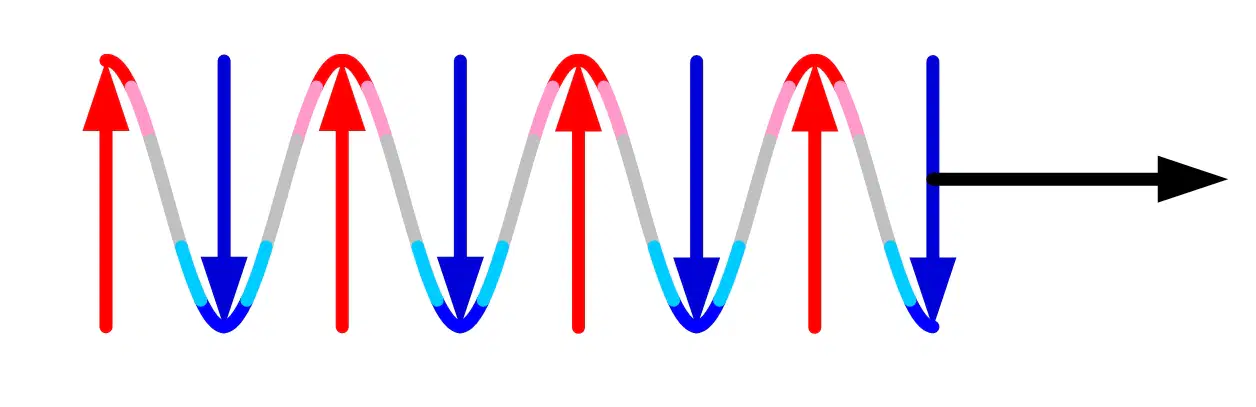
A type of wave in which the particles oscillate perpendicular to the direction in which the energy propagates.
a)
wavelength
b)
amplitude
c)
frequency
d)
transverse wave
e)
electromagnetic wave
10.
A range of waves that are propagated by simultaneous periodic variations of electric and magnetic field intensity.
a)
wavelength
b)
amplitude
c)
frequency
d)
transverse wave
e)
electromagnetic wave
11.
Patterns of weather that take place in the troposphere, caused by the motion of warm and cool air around Earth
a)
weather system
b)
distance
c)
displacement
d)
linear motion
e)
speed
12.

A numerical measurement of how far apart objects or points.
a)
weather system
b)
distance
c)
displacement
d)
linear motion
e)
speed
13.
The difference between the final and initial positions of an object, regardless of the actual path covered to reach the final position; measured in a straight line.
a)
weather system
b)
distance
c)
displacement
d)
linear motion
e)
speed
14.
Motion of an object in only one direction
a)
weather system
b)
distance
c)
displacement
d)
linear motion
e)
speed
15.
An instantaneous measurement of the rate of change in the motion of an object, calculated when the distance traveled is divided by the time taken.
a)
weather system
b)
distance
c)
displacement
d)
linear motion
e)
speed
16.
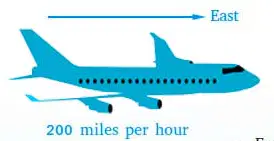
The directional speed of an object in motion.
a)
velocity
b)
balanced forces
c)
unbalanced forces
d)
conduction
e)
convection
17.

Forces acting on an object within a system that cancel each other out, providing a net force of zero on an object within the system.
a)
velocity
b)
balanced forces
c)
unbalanced forces
d)
conduction
e)
convection
18.

Forces acting on an object within a system that do not cancel each other out or add up to zero, will cause acceleration in the direction of the unbalanced force
a)
velocity
b)
balanced forces
c)
unbalanced forces
d)
conduction
e)
convection
19.

The transfer of energy by direct contact between objects or particles.
a)
velocity
b)
balanced forces
c)
unbalanced forces
d)
conduction
e)
convection
20.

The transfer of energy through currents in liquids or gases.
a)
velocity
b)
balanced forces
c)
unbalanced forces
d)
conduction
e)
convection
21.

The transfer of energy without a medium.
a)
radiation
b)
thermal energy
c)
thermal equilbrium
d)
particle
e)
friction
22.
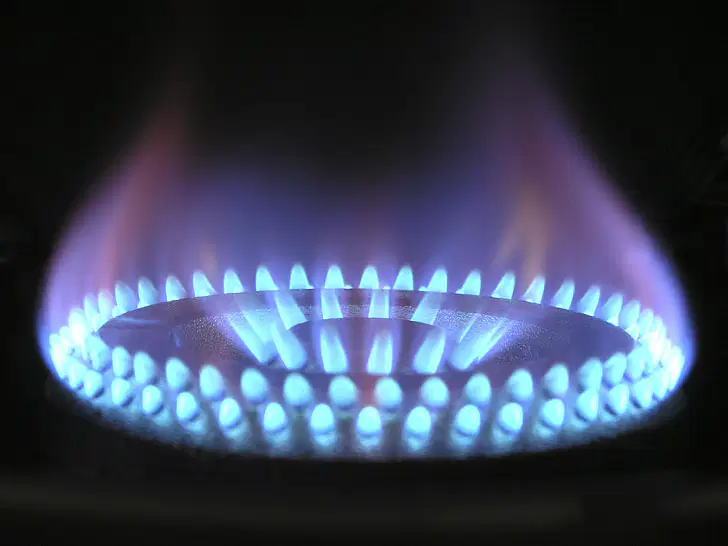
A phenomenon of energy that measures the random motion (kinetic energy) of particles (vibrations in solids or free motion in a gas) in a fluid.
a)
radiation
b)
thermal energy
c)
thermal equilbrium
d)
particle
e)
friction
23.

Occurs when there is no more transfer of heat energy between or within the objects of a system; when the system's components are at the same temperature.
a)
radiation
b)
thermal energy
c)
thermal equilbrium
d)
particle
e)
friction
24.
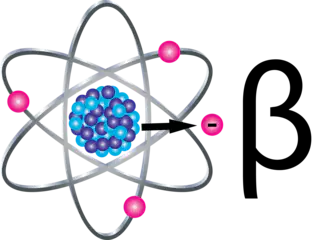
The smallest unit of a substance or material.
a)
radiation
b)
thermal energy
c)
thermal equilbrium
d)
particle
e)
friction
25.

A force that opposes relative motion between systems in contact.
a)
radiation
b)
thermal energy
c)
thermal equilbrium
d)
particle
e)
friction
100 %

