
 Worksheets
Safety
Total questions: 85
Worksheet time: 43mins

(a) is used to protect the hands
Why is it important to use PPE?
It protects you from injury.
It protects you from accidents.
It is a safeguard to employees against hazards
all of the above
True or false: It is important that the gloves you use fit your hands properly.
True
False
It is used to protect the eyes against flying debris and harmful liquids.
A. Goggles
B. Ear Protector
C. Face Mask
D. Apron
Used to prevent the inhalation of sprayed paint fumes.
A. Goggles
B. Ear Protector
C. Face Mask
D. Apron
If you have poor personal hygiene, it can impact your physical, mental, and emotional health.
TRUE
FALSE
Safety shoes that fit well will help maintain balance and will be comfortable, preventing any trips or slips.
TRUE
FALSE
When should PPE be used?
Everytime you step into a workshop
Once a week
when you are attempting a task that could cause harm to yourself
never
Who should supply your PPE in a work environment?
You will need to buy your own PPE
A charity group should supply your PPE
Your parents/guardians should supply your PPE
Your employer should supply it for free
What should happen to the PPE before you use it?
You should try it all on and show your friends
It should be properly assessed to check it is fit for use
You should write your name on it
You should check it is colour coordinated
How must you use the PPE as the employee to keep yourself safe?
It must be used correctly
By placing it over your head
Only use it at night
Share it amongst your work colleagues
Protect the feet from accidental injury
Sneakers
Safety boots
Coverall suit
Knee pads
It is a critical piece of safety equipment designed and regulated to enhance the visibility of workers.
Safe overall
Jacket
Safety vest
Coverall

Goggles is used to protect our (a)

What is the name of this personal protective equipment?
Hard hat
Bump Cap
Safety hat
Faceshield

This is a _____________
Safety vest
Safety belt
Safety harness
Safety boot
When should a safety belt and life lines be worn?
When working at heights more than 6ft
When working at heights more than 6m
When working at heights more than 20m
Not at all
What PPE protects your ears from noise?
Ear pins
Earmuff
Ear plum
None of the above
It is something that can cause harm
Risk
Hazard
Chemical
Stress
These problems can arise from simple things, like working for long periods in an awkward position or having to make the same motions over and over again.
Biological Hazards
Psychological Hazards
Ergonomic Hazards
Physical Hazards
The chance or probability that a person will be harmed or experience an adverse health effect if exposed to a hazard.
Risk
Hazard
Psychological hazard
Stress
Those that are basically causing stress to a worker.
Physical Hazard
Ergonomic Hazard
Psychological Hazard
Biological Hazard
It is a cross-disciplinary area concerned with protecting the safety, health and welfare of people engaged in work or employment.
OHS
WHO
DOLE
BIR
The following are the steps in risk assessment except_____.
Identify hazards
Analyze or evaluate the risk
Changing the work environment
control the hazard
Trip and fall hazards
Physical Hazard
Ergonomic Hazard
Chemical Hazard
Psychological Hazard
Liquids such a cleansers
Biological Hazard
Chemical Hazard
Physical Hazard
Ergonomic Hazard
Bacteria
Physical Hazard
chemical Hazard
Biological Hazard
Ergonomic Hazard
It is important to identify hazards and risks in the workplace to address the problems properly.
True
False

What is shown from the picture?
Electrical hazard
Chemical hazard
machine related hazard
Physical hazard
It is important to give the health and safety experience to new or inexperienced workers, including those that have been away from the workforce for sometime.
Training
Exposure
Hygiene
Assessment
It is a type of hazard that are common in workplaces with slippery, rough or uneven surfaces and may fall down from stairs or off ladders.
Biological
Chemical
Ergonomics
Slips, Trips, Fall
________are physical conditions that may pose risk of injury to the musculoskeletal system.
Biological
Electricity
Ergonomics
Fire

What hazard is this?
Biological
Chemical
Manual Handling of Tools and materials
Slips, Trips, Fall
It is used to prevent droplets of saliva from reaching other people.
A. Masks
B. Gloves
C. Surgical Apron
D. Surgical Gown
It is a process of removing hazards completely.
A. administrative control
B. Personal Protective Equipment
C. Elimination
D. Substitution
All are Practical ways to prevent hazards and risks EXCEPT.
A. Use of Personal Protective Equipment
B. A Closer Look at Electricity
C. Proper Handwashing
D. Administrative control
Accident prevention is only the responsibility of the employer.
True
False
Who is responsible for providing risk assessments?
Employer
Employee
HSE
Nobody
A risk assessment is...
a quick check to see if there is anything on the floor
an assessment of the hazards and risks associated with an activity
a way to check you have been paid correctly
a way of recording accidents that happen on site
Which of these is not an employer's responsibility
Provide a safe working environment
Have a written H&S policy in place
Carry out risk assessments
Provide food and hot drinks

What HAZARD do safety glasses protect you from?
Small pieces of airborne particles
The sun
Chemical fumes

It is OK to wear any shoes in the workshope
True
False
- Harm caused by wet floor
stress
cuts
slips, falls
shock
- Hazard cause by vapor or gaseous substance
Biological hazards
Psychological hazards
Chemical hazards
Ergonomic hazards
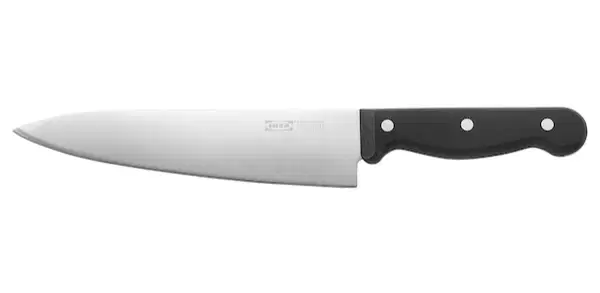
Knife
Hazard
Risk
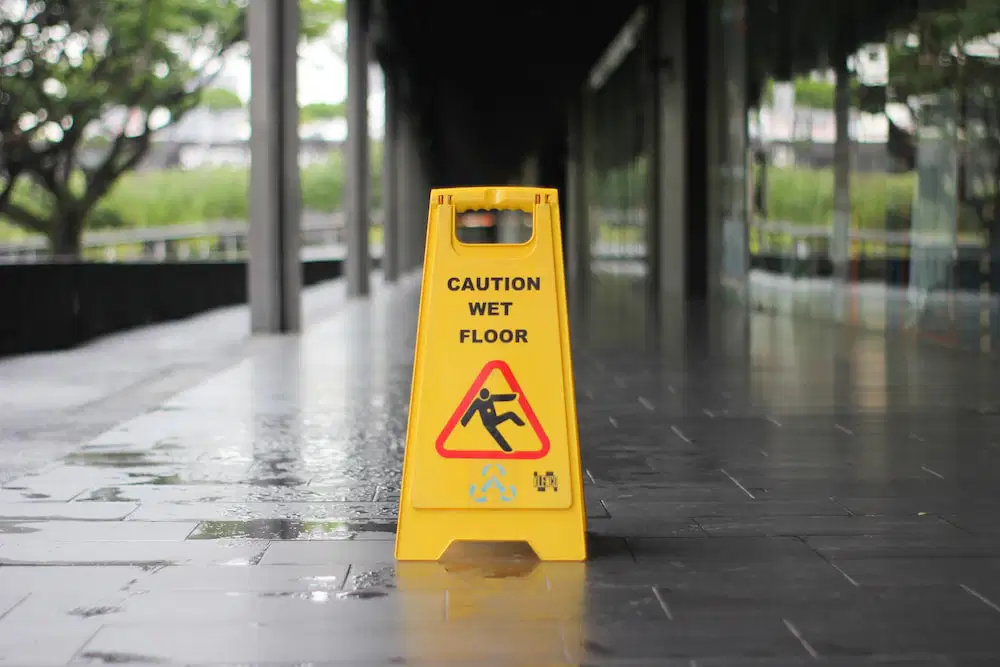
Wet floor
Hazard
Risk
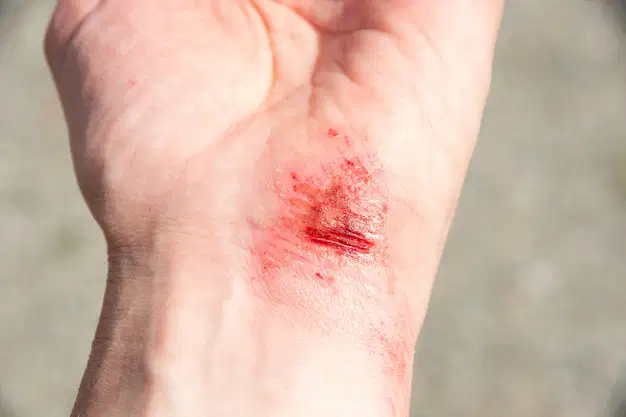
Wounded hand
Hazard
Risk
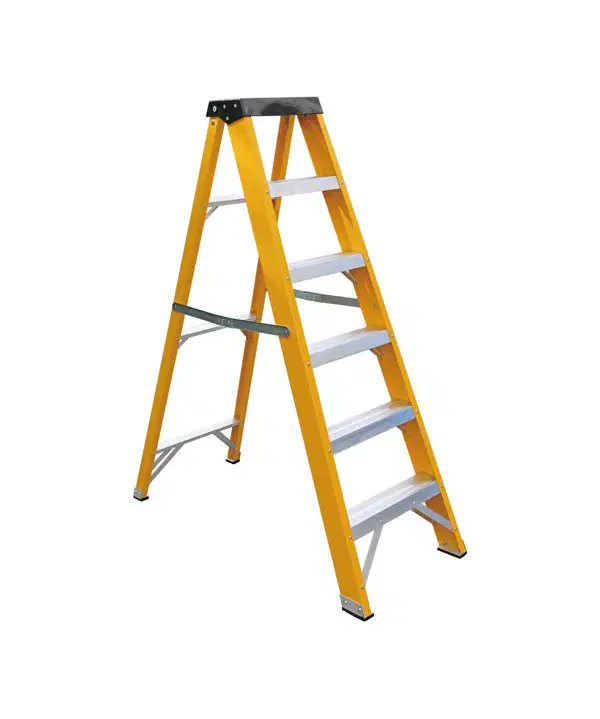
Ladder
Hazard
Risk
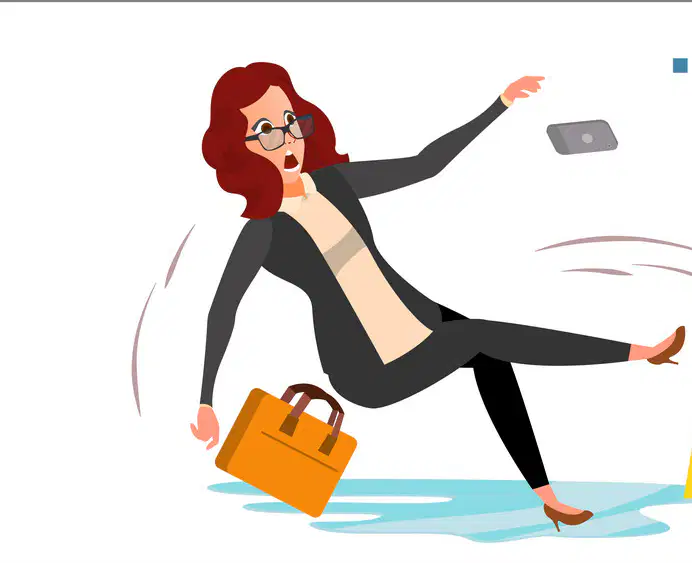
Slips
Hazard
Risk
This originates from an organism that is foreign to the organism being affected. Like animals, viruses and bacterial.
Biological hazard
Chemical Hazard
Ergonomic Hazard
Physical Hazard
These are chemicals that can cause harm or danger to humans, property, or the environment
Biological hazard
Chemical Hazard
Ergonomic Hazard
Physical Hazard
The following are effects of biological hazard except one.
Infections
Good health
Skin irritations
Allergy
It is a situation that poses a level of threat to life, health, property, or environment.
Hazard
Risk
Harm
Threat
Covid-19 is what type of hazard?
Physical
Biological
Ergonomic
Chemical
When drilling wood, what is the HAZARD?
Chemical burn of the eye.
Puncture wound.
Eye scratch.
Small pieces of wood becoming airborne and entering the eye.
Which of these are risks?
Tripping
Diseases
Bitten/Scratched
All of these
What is the purpose of a risk assessment?
To generate more paperwork.
Proportion blame in the event of an accident occurring.
Create work for the designated safety officers.
To evaluate hazards and to minimise the levels of its risk.
When would you need to update / renew your risk assessment?
When a piece of new equipment is installed.
After one year.
When an employee leaves the company.
When expecting a HSE visit.
Ralph is a chemical engineer observing a medical laboratory. He wears chemical suit toprotect his body from hazardous chemicals. What hazard Ralph wants to avoid?
Physical Hazard
Mechanical Hazard
Chemical Hazard
Biological Hazard
Which of the following could best describe Psychological Hazard?
The main cause of this hazard is the chemicals on your workplace
The exposure to virus that lead to transmission of such disease
Excessive work that lead to overtime and so much work to be done.
A crane loss its control because of the too much load it
Which among of the following safety practices must be observed in a school shop?
Play with any electrical devices
Keep your working area clean and tidy at all times.
Do not work when your hands are wet.
No answer
What is OHS stands for?
Occupational Health on Service
Occupational Health and Safety
Occupational Health and Service
Occupational Healthy and Safety

Bacteria and viruses are common hazards for...
Construction worker
Secretary
Firefighter
Doctor
Burns and falls are common hazards for...
Doctor
Firefighter
Policeman
Nurse
What is the difference between a hazard and a risk?
Hazard = How great the chances are of someone getting hurt
Risk = Anything that causes harm
Hazard = Anything that causes harm
Risk = How great the chances are of someone getting hurt
There is no difference
Hazard is something that your find in the work place where as risk is something you find at school
___________ is replacing or substituting a hazardous agent or work process with a less dangerous one.
Elimination
Engineering Control
PPE
Administrative Control
Substitution
___________ may mean changing a piece of machinery (for example, using proper machine guards) or a work process to reduce exposure to a hazard.
Elimination
Engineering Control
PPE
Administrative Control
Substitution
Which of the following pictures is an examples of Physical Hazards


Poorly stored medical waste is an example of, what kind of hazards.
Chemical Hazards
Physical Hazards
Biological Hazards
Ergonomic Hazards
Which of the following is not an example of physical hazards?
Ladders and scaffolds
Fear of job loss
Power and hand tools
Electrical Power
The following are examples of Biological Hazards except ______________ .
Cleansers
Bacteria
Virus
Insect Bites

What type of workplace hazard is present in the given picture?
Ergonomic Hazards
Physical Hazards
Biological hazards
Chemical Hazards
Loud noise from the machine is a physical hazard.
TRUE
FALSE
It is possible for the employer to impose deduction on the employee for the loss or damage of the personal protective equipment.
True
False
A single type of eye protection or safety goggles may provided by the employer for all of the employees.
True
False
Proper selection of respirators should be based on the hazards to which the workers are exposed
True
False
As part of the respiratory protective program, respirators issued for the exclusive use of one worker may not be cleaned after each day’s use as compared to those used by two or more workers which shall be thoroughly cleaned and disinfected after each use.
True
False
A hard hat with a total weight of half a kilo is considered unacceptable.
True
False
All hard hats must be non-conductor of electricity
True
False
The cradle and sweatband of hard hats shall be fixed to ensure that it will not be detached during usage.
True
False
Standby men must be present with suitable rescue equipment when self-contained breathing apparatus or hose masks with blowers are used in atmospheres dangerous to life or health.
True
False
Gloves must NOT be worn when operating drills, punch presses or other machinery
True
False
Hard hats are used to protect employees from
impact penetration from falling objects
impact penetration from flying objects
impact penetration from blows
electric shock and burn
Safety (a) shall be provided and installed in situations where safety belts and life lines in guarded platforms and scaffolds or temporary floors are not feasible

