
 Worksheets
Module 7 Magnetism
Total questions: 45
Worksheet time: 20mins

Which of the following is a characteristic of a permanent magnet?
It requires an electric current to maintain its magnetism.
It retains its magnetic properties without an external power source.
It loses its magnetism when heated.
It can only attract ferromagnetic materials.
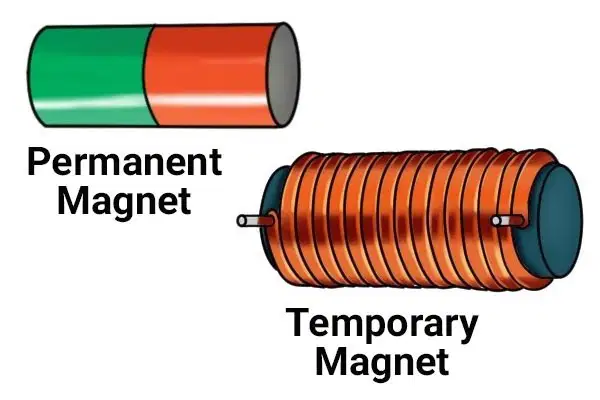
What is the primary difference between a temporary magnet and a permanent magnet?
Temporary magnets are made of non-magnetic materials.
Temporary magnets only work in the presence of a magnetic field.
Permanent magnets can be turned on and off.
Permanent magnets are always stronger than temporary magnets.
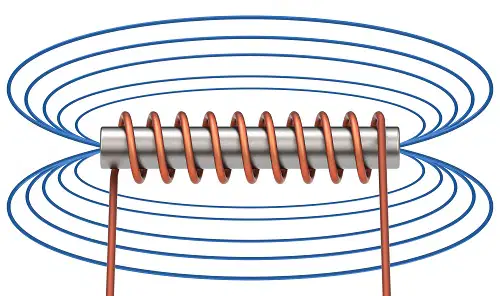
Which of the following best describes the principle of electromagnetism?
An electric charg is created by the motion of copper through a magnetic field.
A magnetic field can exist without an electric current.
Electromagnetism only occurs in superconductors.
Electromagnetism is unrelated to electric currents.
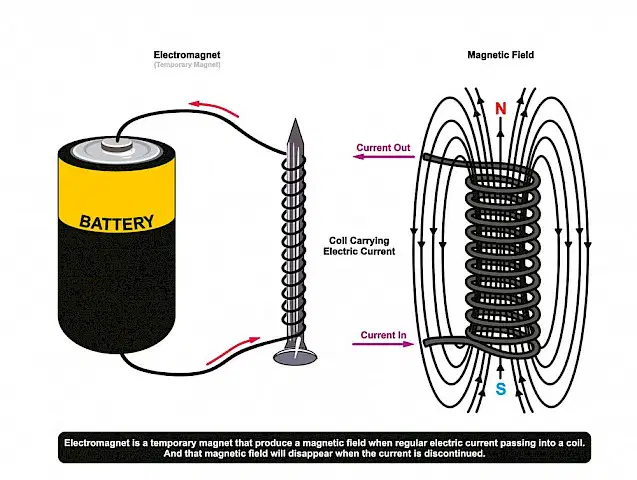
How can the strength of an electromagnet be increased?
By decreasing the number of coils in the wire.
By using a plastic core instead of an iron core.
By increasing the electric current passing through the coil.
By using a thinner wire for the coil.
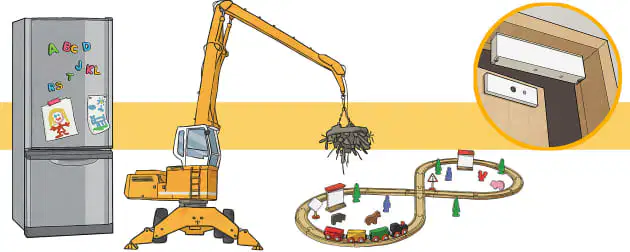
Which of the following is a common application of magnets in everyday life?
Magnets are used in solar panels to generate electricity.
Magnets are used in refrigerators to keep the doors closed.
Magnets are used in light bulbs to produce light.
Magnets are used in water heaters to heat water.

In which of the following devices is an electromagnet commonly used?
A mechanical clock
A magnetic crane
A solar calculator
A gas stove
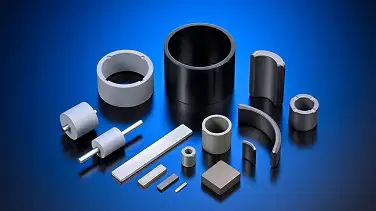
Which material is most likely to be used as a core in an electromagnet to enhance its magnetic field?
Wood
Plastic
Iron
Glass
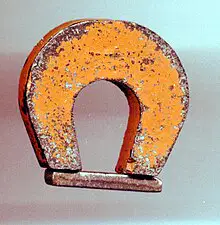
What property of ferromagnetic materials makes them suitable for use in permanent magnets?
They have high electrical resistance.
They can be easily demagnetized.
They have a high magnetic asborping properties
They are non-conductive.
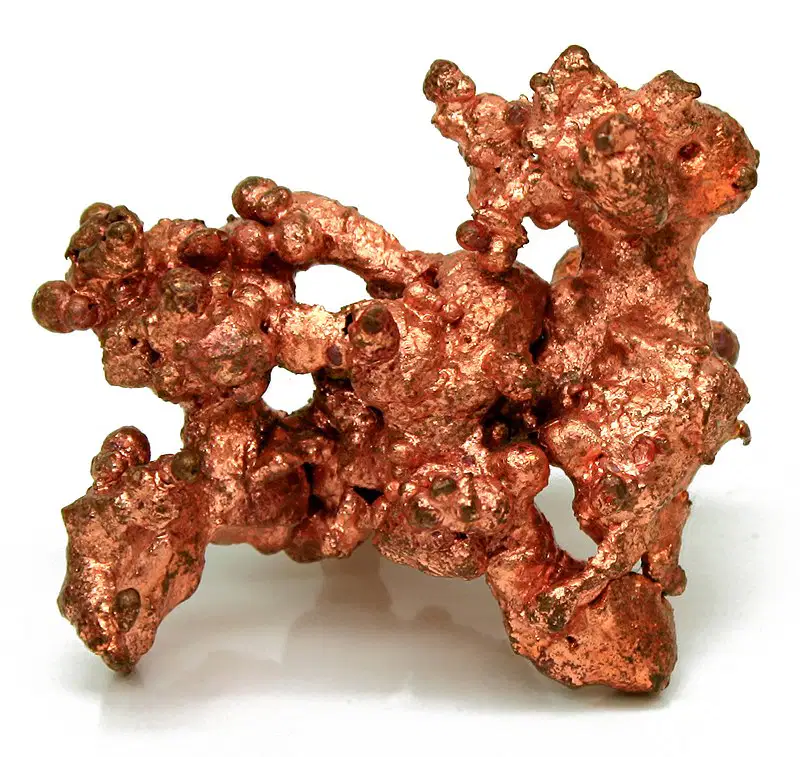
Which of the following materials is not typically magnetic?
Iron
Nickel
Copper
Cobalt

What is the effect of increasing the number of turns in the coil of an electromagnet?
It decreases the magnetic field strength.
It increases the magnetic field strength.
It has no effect on the magnetic field strength.
It reverses the direction of the magnetic field.
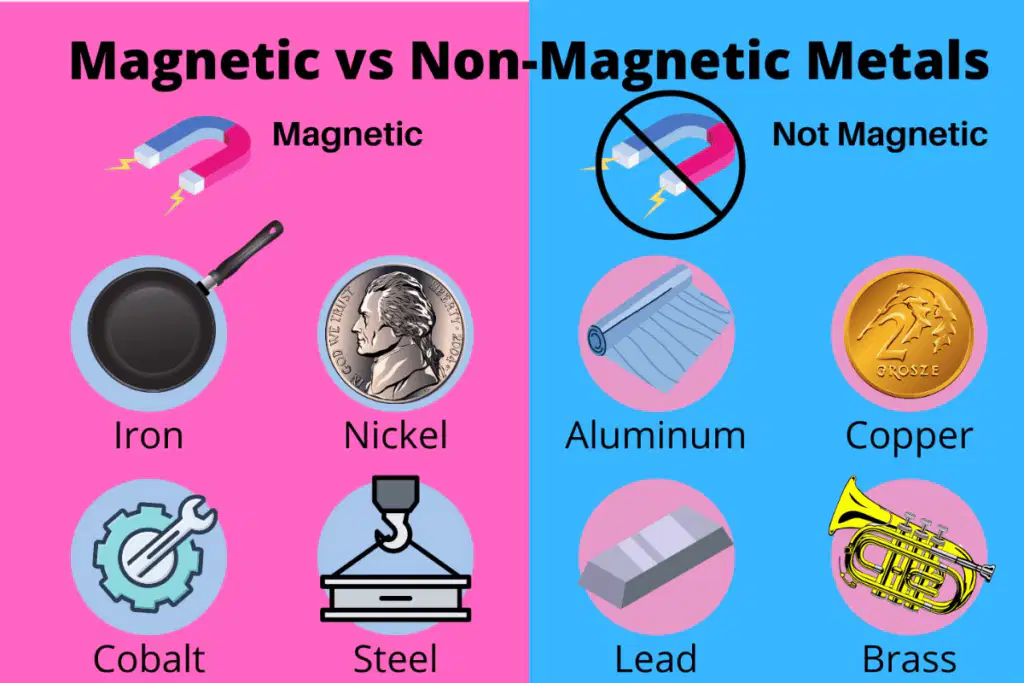
Which of the following is an example of a non-magnetic material?
Steel
Aluminum
Nickel
Iron
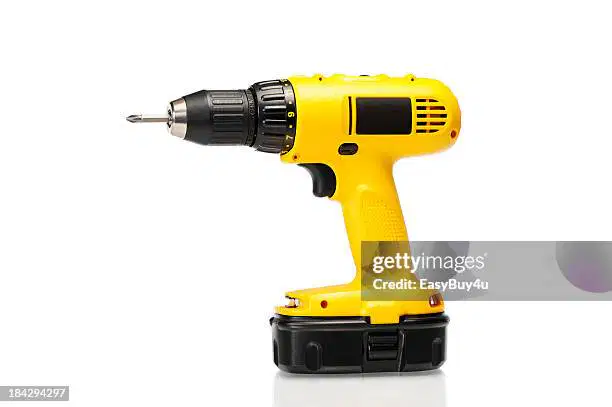
What is the role of a magnetic field in the operation of an electric motor?
It provides the energy source for the motor.
It creates a force that turns the motor's rotor.
It cools the motor during operation.
It acts as a lubricant for the motor's moving parts.
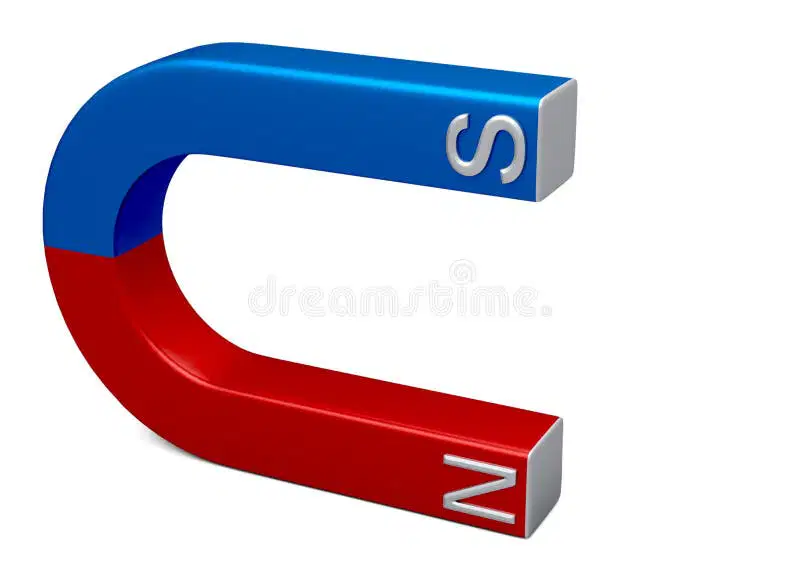
All permanent magnets have two
magnetic charges
magnetic fields
magnetic needles
magnetic poles
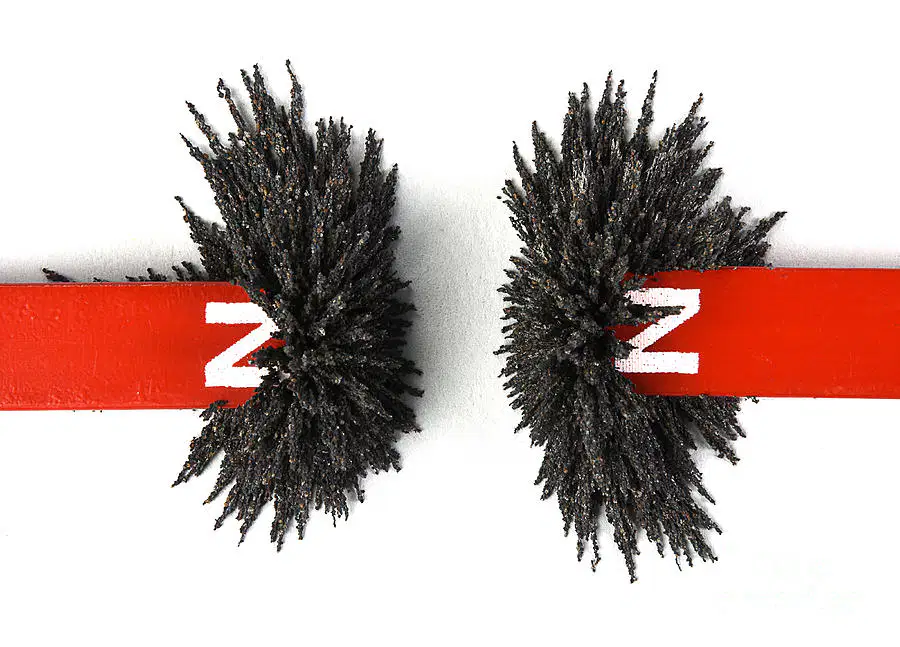
Like poles on a permanent magnet will
attract each other
repel each other
always interact
point in the same direction

The magnetic field lines around a bar magnet
are perfectly straight
are only perpendicular to the magnet
spread out from one pole and curve around to the other
cross back and forth over one another

What is known as the difference between the earth's magnetic pole and its geographic pole?
magnetic declination
magnetic difference
geographic decline
geographic increase
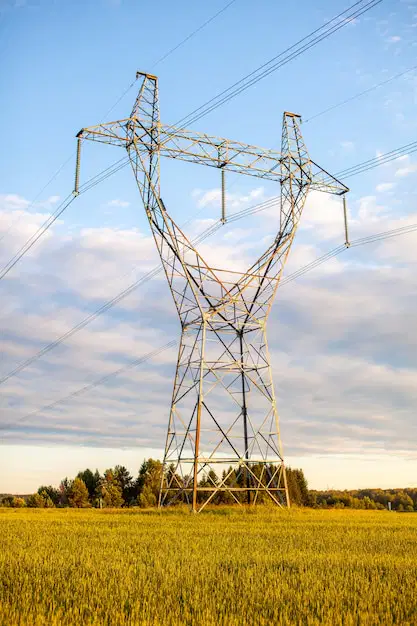
Electric currents passing through wires will produce a(n)
solenoid
magnet
magnetic field
insulator

Which way will NOT increase the strength of the magnetic field of an electromagent
increasing the current
using a stronger ferromagnetic core
winding the coils closer together
decreasing the number of loops

What type of materials are needed to create an electromagnet?
battery, light bulb, plastic straw
battery, coil of wire, iron core
generator, iron core, switch
switch, source of electricity, compass

Moving a permanent magnet through a coil of wire will
demagnetize the magnet
the wire will become an electromagnet
the magnet will become electrified
a current (electricty) will be generated in the wire

What type of current is produced/stored in a battery
induced
magnetic
alternating
direct (DC)
When current running through a wire is placed in the field of a permanent magnet,
solar energy is transformed into light
electrical energy is transformed into sound
solar energy is transformed into mechanical energy
electrical energy is transformed into mechanical energy

What type of device converts mechanical energy into electrical energy?
solenoid
electric motor
transformer
generator
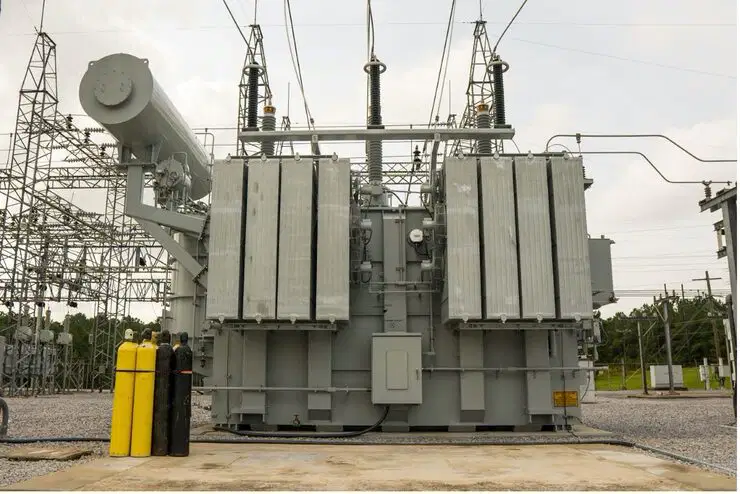
What type of device can increase and decrease voltage?
Generators
Transformers
Galvanometers
Electric motors
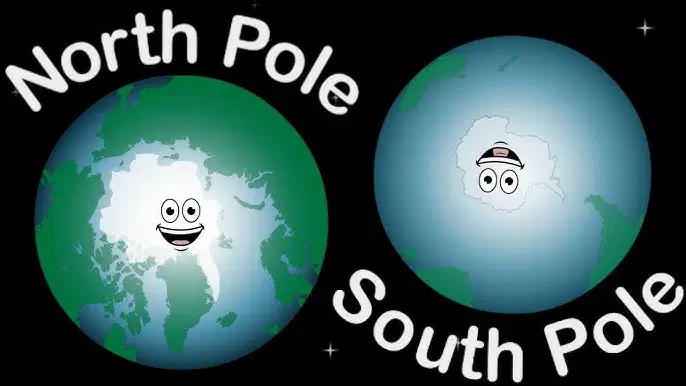
A magnet has a _______ pole and a _______ pole.
north, south
east, west
positive, negative
red, blue
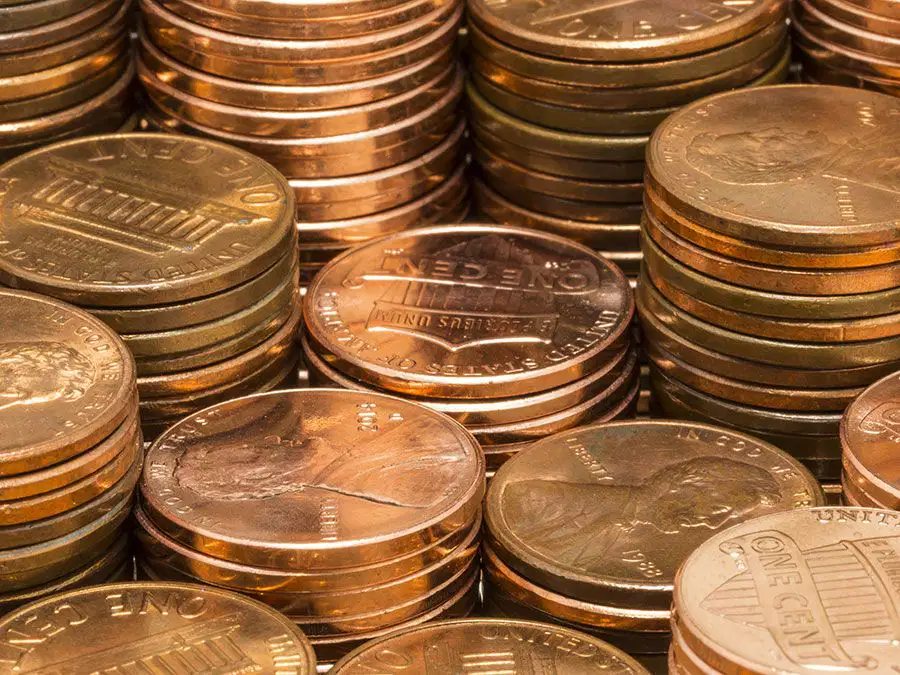
Which of the following would a magnet ATTRACT?
A copper penny
An iron nail
A piece of glass
A wood block

All metals are magnetic.
True
False

Why does the Earth have a magnetic field?
Because of all the magnets on the Earth's surface
Because the Earth is a magnet
Because the Earth is made of copper
Because Earth is orbiting around the sun

These objects would...
Attract
Repel
No reaction

These objects would...
Attract
Repel
No reaction

These objects would...
Attract
Repel
No reaction
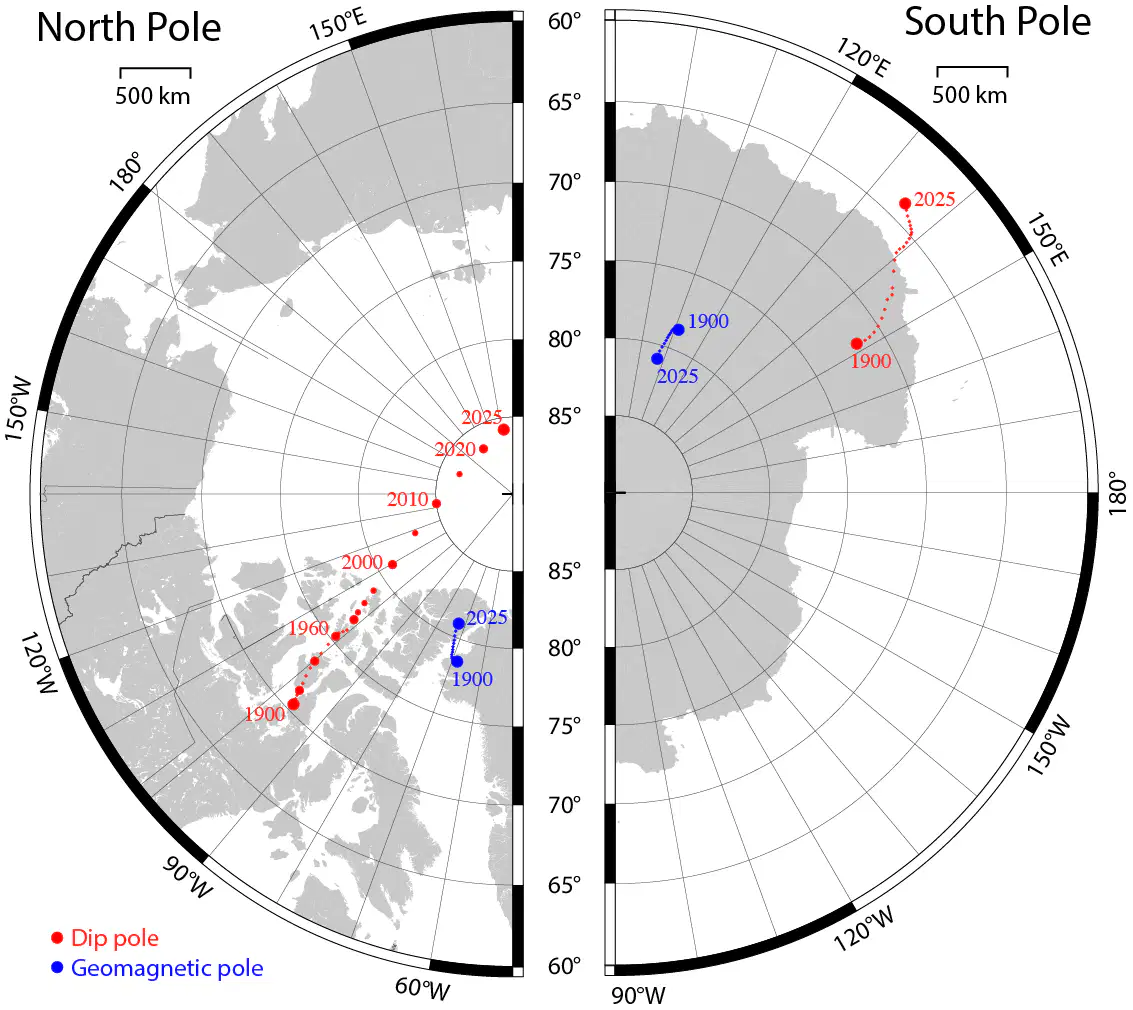
Magnetic force is strongest at...
the north pole
the south pole
both poles
the middle of the magnet

What does this picture represent?
Magnetic forces between like poles
Magnetic forces between opposite poles
Magnetic forces between two metals

What is the role of the copper wire in this motor?
It carries the flow of electrons.
It powers the motor.
It creates a magnetic field.
It makes it look nice.


If the North Pole of a permanent magnet is placed next to a compass as seen in the picture. (Red arrow is a N Pole). Which direction will the needle move?
Right (Repel)
Left (Attract)

Which best completes the sentence?
Ferromagnetic material...
a grouping of atoms that have their magnetic fields lined up in the same direction
a visual tool used to represent magnetic fields
the region around a magnet where the magnetic force is exerted
includes iron, nickel, and cobalt which are attracted to magnets.

What is your goal in life?
Make lots of money $$$$
Get a rewarding job/career.
Meet that special someone.
Get that poppin Edgar haircut

Lodestone is also known as
Leading Stone
Flintstone
Haematite
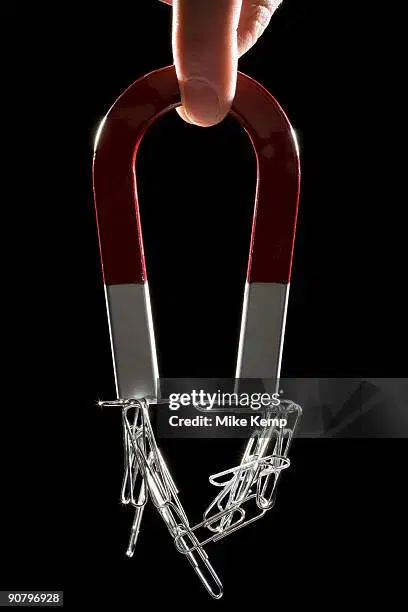
ferromagnetic material
permanent magnet
bar magnet
insulator
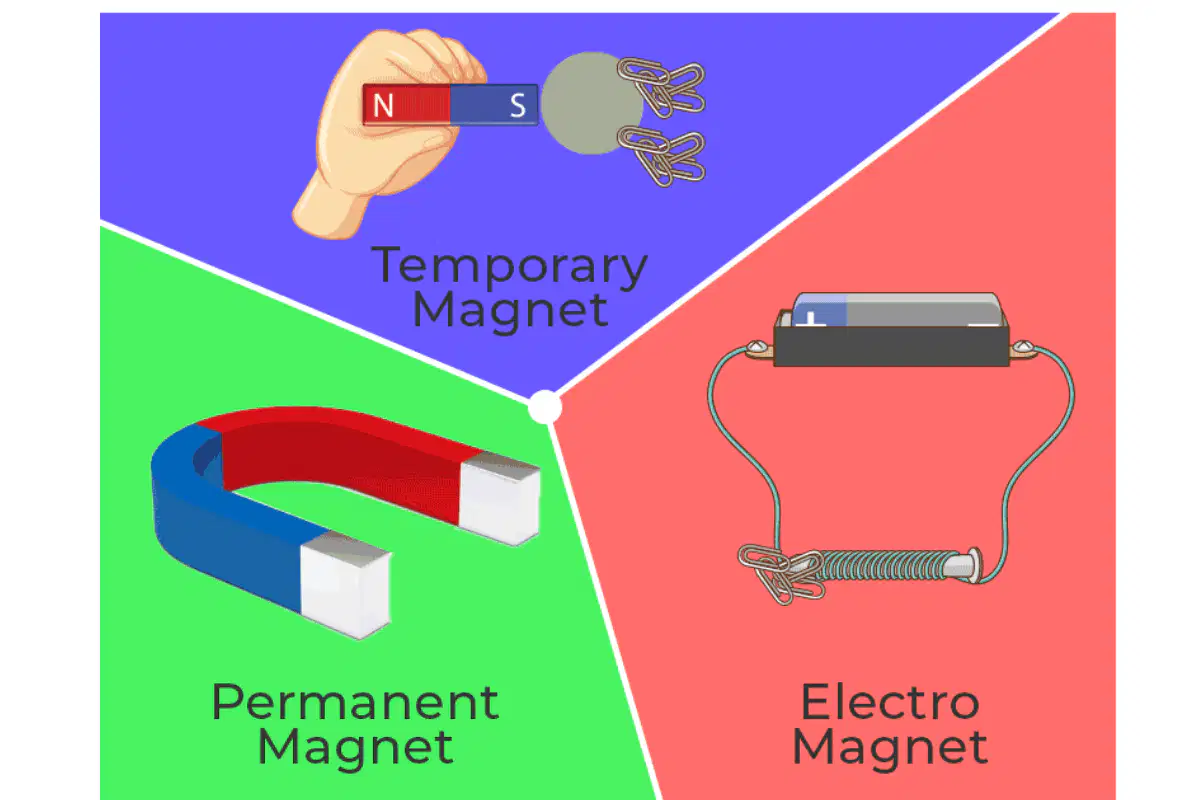
What are the two types of magnets?
Permanent and temporary
North and south
Positive and negative
Electric and magnetic

Which of the following materials is commonly used as the core in an electromagnet?
Aluminium
Copper
Iron
Plastic

What is this magnet called?
bar magnet
horseshoe magnet
donut magnet
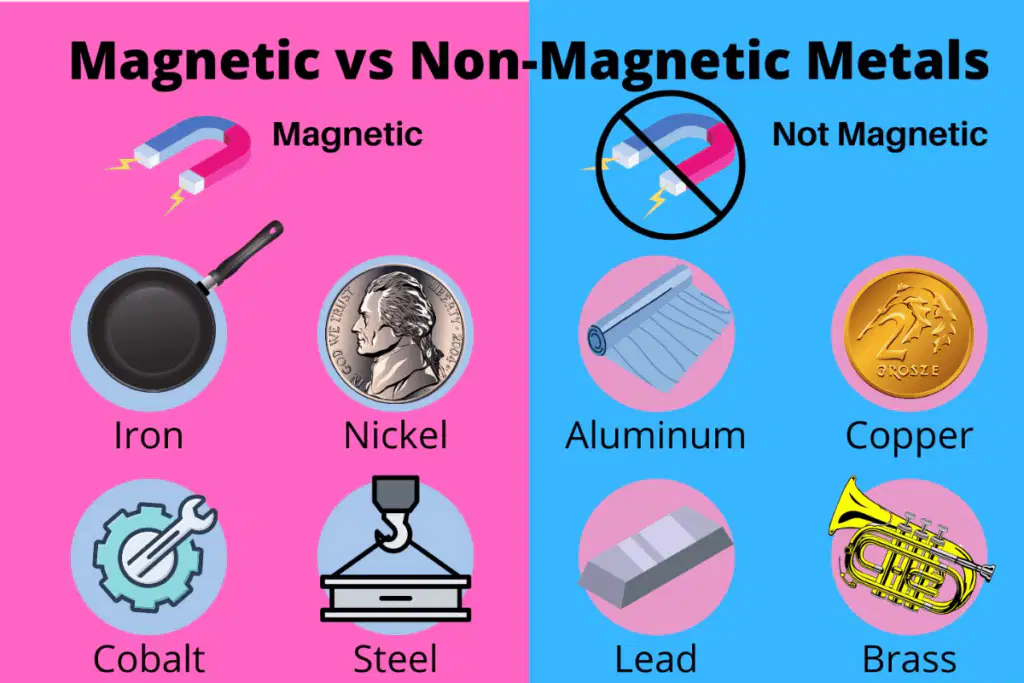
Which of the following materials is NOT attracted to magnets?
Iron
Nickel
Cobalt
Copper

