
NEW
Font size
 Worksheets
Grade 6 'science'
Total questions: 13
Worksheet time: 2mins

1. What is the first step in preparing a microscopic slide of banana pulp cells?
a. Adding iodine water
b. Placing the fragment on a slide
c. Observing through the microscope
d. Covering with a cover glass

2. What color indicates the presence of starch when iodine is added to banana pulp cells?
a. Yellow
b. Brown orange
c. Dark blue
d. Green

3. What are the small grains in the cytoplasm of banana cells called?
a. Chloroplasts
b. Amyloplasts
c. Chromoplasts
d. Leucoplasts
4. What is the primary function of amyloplasts in banana pulp cells?
a. Photosynthesis
b. Respiration
c. Starch storage
d. Protein synthesis
5. Which substance is used to test for the presence of starch in banana pulp cells?

a. Saltwater

b. Iodine water

c. Vinegar

d. Alcohol
6. What happens to the color of iodine water if starch is absent?
a. Turns green
b. Stays brown orange
c. Becomes clear
d. Turns dark blue

7. Why is a cover glass used during the preparation of a banana pulp slide?
a. To add color
b. To protect the microscope lens
c. To flatten the sample
d. To enhance magnification
8. Why are cells considered the structural unit of plants?
a. They are visible without a microscope
b. They contain chlorophyll
c. They form the building blocks of plant tissues
d. They move nutrients
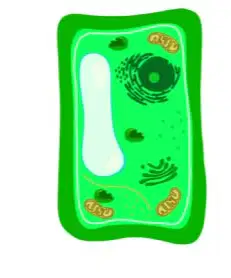
9. Which of the following is not a main part of a plant cell?
a. Cell wall
b. Nucleus
c. Mitochondria
d. Bone
10. What is the purpose of pressing slightly with the thumb when preparing a slide?
a. To spread the iodine evenly
b. To break the cell walls
c. To remove excess water
d. To flatten the specimen
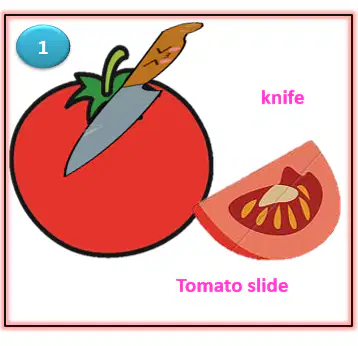
11-Describe this step in a short text.
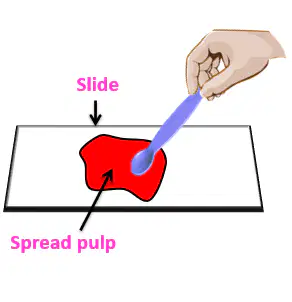
We spread the pulp collected on a glass slide.
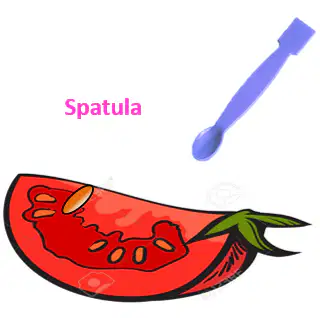
First, we cut a slice of tomato with a knife.
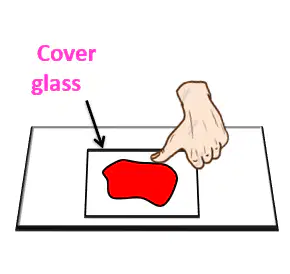
We cover with a coverslip.
We collect a little pulp.
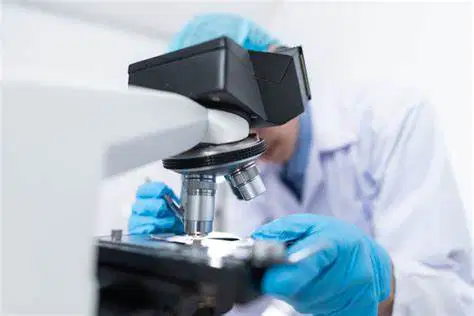
12-Choose the image that represents the last step of preparing the tomato cells, before putting them under the microscope.
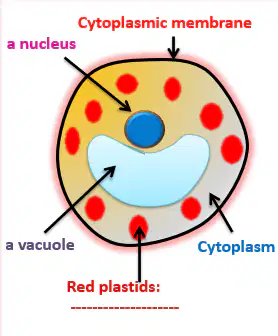
13-Name the red plastids observed under the microscope in the tomato cell.
Amyloplasts.
Chloroplasts.
Etioplasts.
Chromoplasts.

