
 Worksheets
Shape, Form, Space Review
Total questions: 21
Worksheet time: 11mins
A(n) _____shape is made up by the artist.
Geometric
Abstract
Free-Form
Organic
_______ shapes are precise shapes that can be described using mathematical formulas. Examples are the circle, square, and the triangle.
Geometric
Abstract
Free-form
Organic
________ is the actual figure in the composition.
Free-form Space
Negative Space
Positive Space
Organic Space
_____ shapes are irregular and uneven shapes. Their outlines may be curved, angular, or a combination of both. They often occur in nature.
Organic
Abstract
Geometric
Free-Form
Another word that may be used to describe a free-form shape is _______– silhouettes of living things such as animals, people, or trees.
Organic
Inorganic
Abstract
Geometric
A ________is an object having three-dimensions. They have length width and depth.
Shape
Geometric Shape
Form
Space
A ________ is a two-Dimensional area that is defined in some way. It may have an outline or boundary around it.
Geometric Form
Shape
Form
Positive Space
________ is the empty spaces between the shapes or forms. It is also called ground.
Positive Space
Negative Space
Organic Space
Inorganic Space
The element of art that refers to the emphasis or area between, around, above, below, or within objects is called ________.
Shape
Value
Space
Form
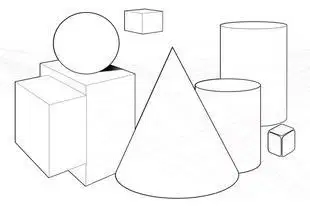
Which of the following is this an example of?
Geometric Forms
Geometric Shapes
Free-Forms
Organic Forms
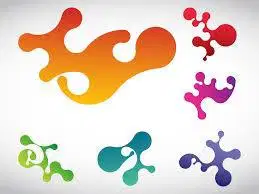
Which of the following is this an example of?
Organic Shapes
Free-form Shapes
Abstract Shapes
Natural Shapes
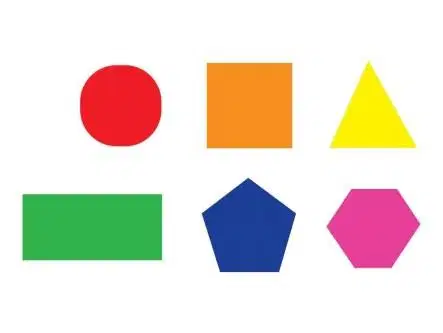
Which of the following is this an example of?
Geometric Forms
Natural Shapes
Organic Shapes
Geometric Shapes
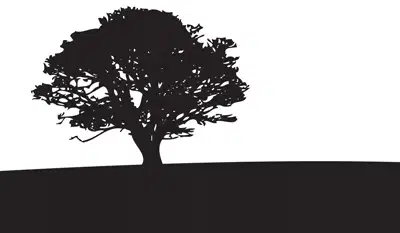
The tree represents _______________ space.
Organic Space
Positive Space
Negative Space
Ground
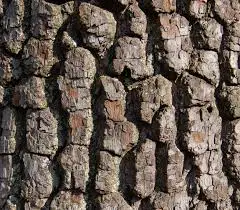
The surface of this tree bark reflects light ______. It shows irregular patterns of light and shadow.
Evenly
Smoothly
Unevenly
______ is the element of art that refers to how things feel, or look as if they might feel, if touched.
Value
Texture
Lines
_____(actual)is the texture you feel.
Visual texture
Simulated Texture
Tactile texture
_______appear as two-dimensional patterns created by the repetition of lines and shapes.
These patterns do not represent real surface qualities, but the patterns of light and dark suggest real texture. The purpose is to create decorated surfaces that evoke memories of unusual textures; Created by the artist.
Invented Texture
Simulated Texture
Tactile Texture
____ is the illusion of a three-dimensional surface that has texture. When you look at a photograph, you see texture. They bring back memories of how they actually feel. If you touch this type of texture, you do not feel what your eyes told you to expect.
Simulated Texture
Visual Texture
Tactile Texture
______ imitate real textures. Plastic table tops can be made to look like wood. Manufactured fabrics imitate natural leather and fur. Artists paint textures so accurately that you think you might be looking at a photograph.
Simulated texture
Invented Texture
Visual texture
______ reflects light evenly. For example: A sheet of paper, an apple, or a new unmarked desktop – Your eyes glide across these objects, uninterrupted by shadows, just as your fingers would glide across them, uninterrupted by bumps and dents.
Rough Texture
Smooth Texture
Crumpled Texture
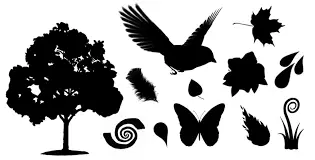
These images are examples of ____.
Natural Shapes
Geometric Shapes
Inorganic Shapes
Free-Form Shapes

