
NEW
Font size
 Worksheets
Portrait Photography Quiz
Total questions: 36
Worksheet time: 27mins
When did portrait photography gain popularity?
Early 18th century
Mid 19th century
Late 20th century
Early 21st century
What is a key focus of a traditional portrait?
The subject's clothing
The background scenery
The subject's face, often with an emphasis on the eyes
The lighting effects
Which of the following is true about portrait photography?
It cannot include props
It must always be candid
It can include props, be candid, staged, or include multiple people
It is only for individual subjects
What is the main goal of portrait photography?
To capture the personality of the subject
To focus solely on the background
To use only natural lighting
To avoid using any poses
What elements are important in portrait photography to convey a sense of who the person is?
Effective lighting, backdrops, and poses
Only the use of black and white film
Avoiding any background elements
Using random camera settings
Which of the following is a type of lighting used in portrait photography?
Macro light
Directional light
Strobe light
Candle light
What is an important aspect of portrait photography that focuses on the subject's facial features?
Background
Lenses
It's all about the eyes
Shutter speed
Which element is NOT mentioned as a part of lighting in portrait photography?
Ambient light
Fill flash
Reflector
Softbox
In portrait photography, what is used to enhance the subject's appearance by bouncing light?
Reflector
Tripod
Lens cap
Shutter
What type of lens should you use if available to minimize distortion and push out the background?
Wide-angle lens
Telephoto lens
Macro lens
Fish-eye lens
What does "pushing out the background" mean in photography?
Making the background sharper
Focusing on the subject to create a fuzzy, out of focus background
Changing the color of the background
Removing the background entirely

What is one issue mentioned about the portrait setup in the image?
The lighting is too bright.
Everything is in focus, taking away from the subject.
The background is too colorful.
The subject is not centered.
What suggestion is given to improve the photo?
Use a different camera.
Add more lighting.
Use tighter cropping.
Change the background color.

What is the effect of having the background out of focus in a portrait setup?
It makes the image look sharper.
It brings attention to the subject.
It highlights the background details.
It makes the colors more vibrant.
Why is tighter cropping used in portrait photography?
To include more background.
To focus on the subject's clothing.
To emphasize the face.
To create a wider view.
What role does lighting play in portrait photography?
It has no effect on the quality of the photo.
It is only important for outdoor photos.
It plays a huge role in portrait photography.
It is only necessary for black and white photos.
What can good lighting do for a portrait?
Make it look blurry.
Make it look unflattering.
Make it look flattering and professional.
Make it look overexposed.
What is one of the effects of poor lighting in photography?
It makes the photo look more colorful.
It can result in an overexposed or underexposed photo.
It enhances the details in the photo.
It makes the photo look sharper.
How can you create different looks in your photographs?
By changing the camera brand.
By using different film types.
By controlling and setting up lighting.
By adjusting the photo size.
What is directional lighting?
Lighting from multiple directions
Lighting from just one direction
Lighting from above
Lighting from below
What effect does directional lighting create in a photograph?
Soft and even lighting
Minimal contrast
Contrast, texture, and drama
Blurred background

Why would a photographer use directional light?
To create a softer look
To reduce shadows
For a more dramatic look
To eliminate texture
What does ambient light refer to?
Light from a flash
Available light before any other sources are added
Light from a lamp
Artificial light
What type of light is typically considered ambient light?
Fluorescent light
LED light
Natural light
Neon light
What is the most flattering type of ambient light?
Direct sunlight
Soft (in-direct) light
Harsh artificial light
Fluorescent light
How can you achieve soft ambient light?
Use a spotlight
Photograph on a cloudy day
Use a flash
Photograph at noon

What is one advantage of taking photos on a cloudy day?
It creates harsh shadows and highlights.
It makes facial features appear sharper.
It provides an opportunity to avoid harsh shadows and highlights.
It enhances the brightness of the image.

What effect does direct light have on facial features in photography?
It softens the facial features and reduces shadows.
It emphasizes facial features and creates shadows.
It makes the facial features less visible and removes shadows.
It creates a uniform light with no shadows.
What is one benefit of using the shade of a tree canopy in photography?
It makes the background more colorful.
It helps soften the features in the subjects' faces.
It increases the contrast in the image.
It makes the subjects appear larger.
What is a characteristic of the background when using shade lighting?
The background is dark and detailed.
The background is bright and washed out.
The background is colorful and vibrant.
The background is completely black.
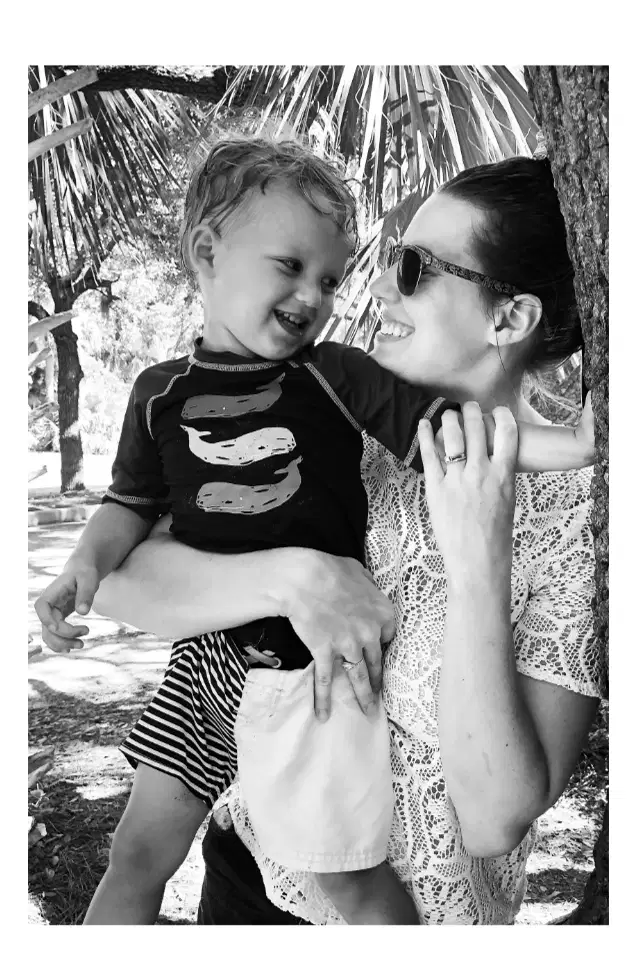
What is one effect of turning an image black and white according to the text?
It enhances color saturation.
It balances brightness and creates contrast.
It increases image resolution.
It adds a sepia tone.

What is a great way to create directional and soft lighting?
Using light from a window
Using a flashlight
Using a ceiling light
Using a desk lamp

What should be avoided to prevent an overexposed image?
Using a flash indoors
Direct sunlight coming through the window
Low light conditions
Using a tripod
What effect does placing a subject in front of a window have on the photograph?
It enhances the details of the subject.
It creates silhouettes of the subject.
It brightens the subject's features.
It adds color to the subject.
What effect does moving your position and photographing light hitting the front of your subject have?
It makes the subject appear smaller.
It creates a dramatic difference.
It reduces the light intensity.
It blurs the background.

In black and white photography, what effect can the contrast in light coming through a window create?
A dramatic image
A colorful image
A blurred image
A distorted image

