
 Worksheets
Touchscreens, Printers, & Cameras
Total questions: 17
Worksheet time: 1hrs 25mins
As their name implies, (a) touchscreens rely on the resistance, or pressure, that's applied to the screen itself.
Resistive touchscreens consist of two thin layers of transparent material.
The top layer is made of flexible (a) , and the bottom layer is typically made of (b)
The flexible top layer of a resistive touchscreen bends down and touches the glass layer when the user...

This picture illustrates what kind of touchscreen?
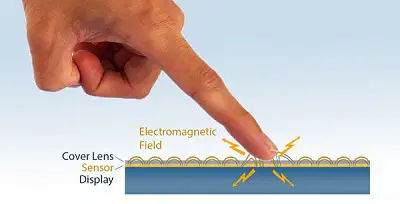
Capacitive touchscreens work because the human body...
(a)
When a conductive finger touches the screen, it creates a change in
(a) . (b) under the screen detect the location of the change, which the computer translates into instructions.

This picture illustrates what kind of touchscreen?
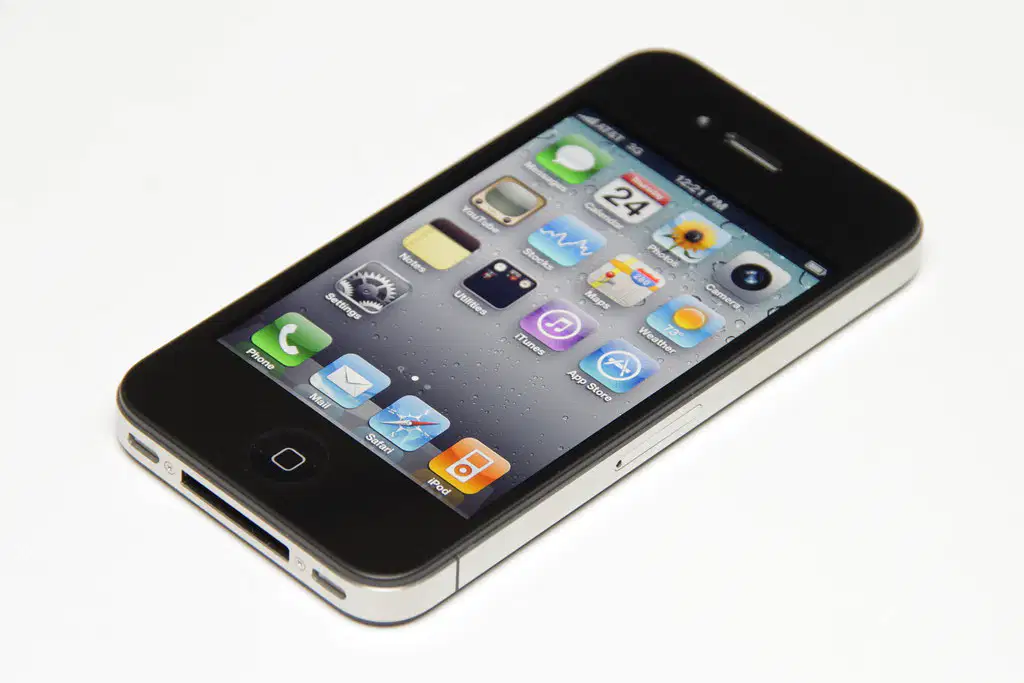
Smartphones typically use _________ touchscreens.
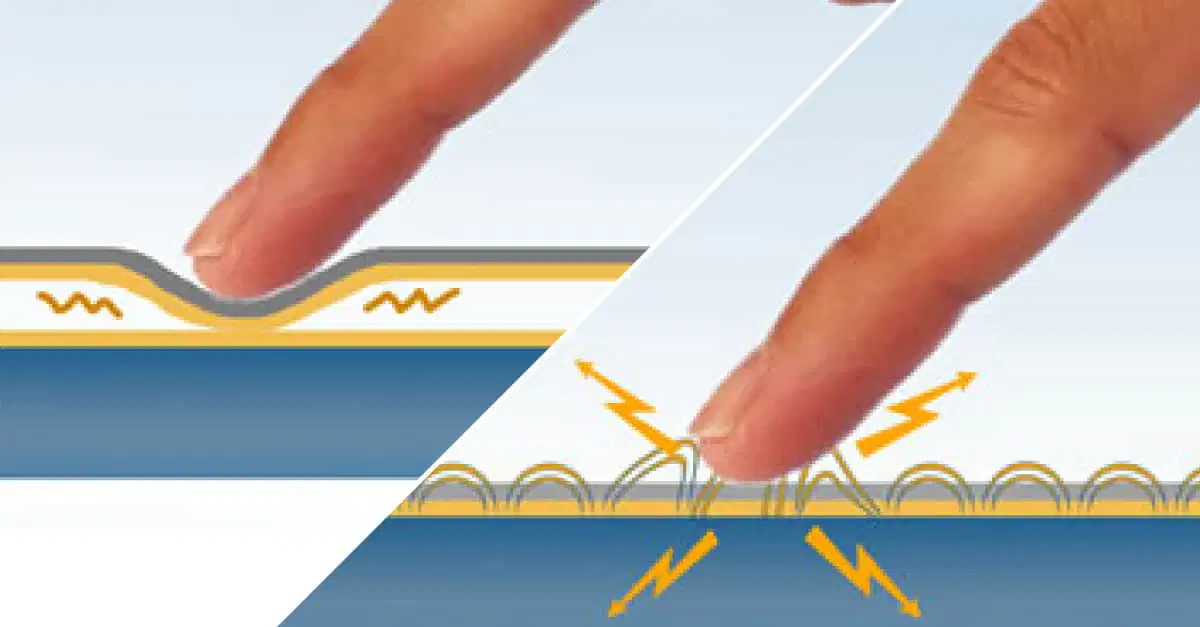
Match the ADVANTAGE to its kind of touchscreen.
Cheaper to manufacture
Fewer accidental touches
Can sense any object touching the screen
Sharper images
Sensitive to light touch
Better survival against rough handling
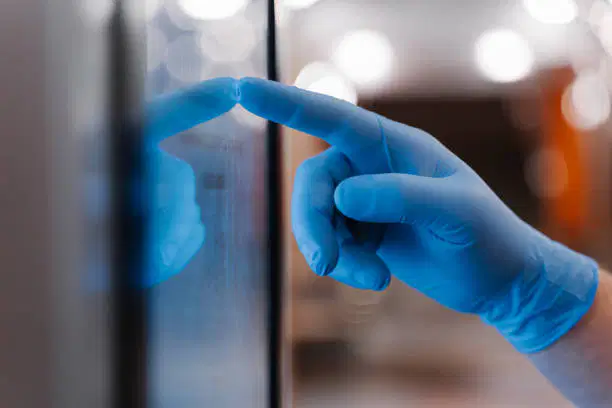
Workers in many industries, such as manufacturing and medicine, are required to wear gloves. Since _______ touchscreens can sense any object that touches with enough pressure, they're ideal for these situations.

What is ONE of the factors you need to take into consideration when selecting a printer?
(a)

What kind of printer works by spraying small dots of ink from an ink reservoir onto a sheet of paper?

What kind of printer forms characters and images by using electrical charges to fix toner to a page?

Match the DISADVANTAGE to the kind of printer.
Replacement ink cartridges are expensive.
Prints tend to fade over time.
They are more expensive to purchase.
They are more difficult to maintain.
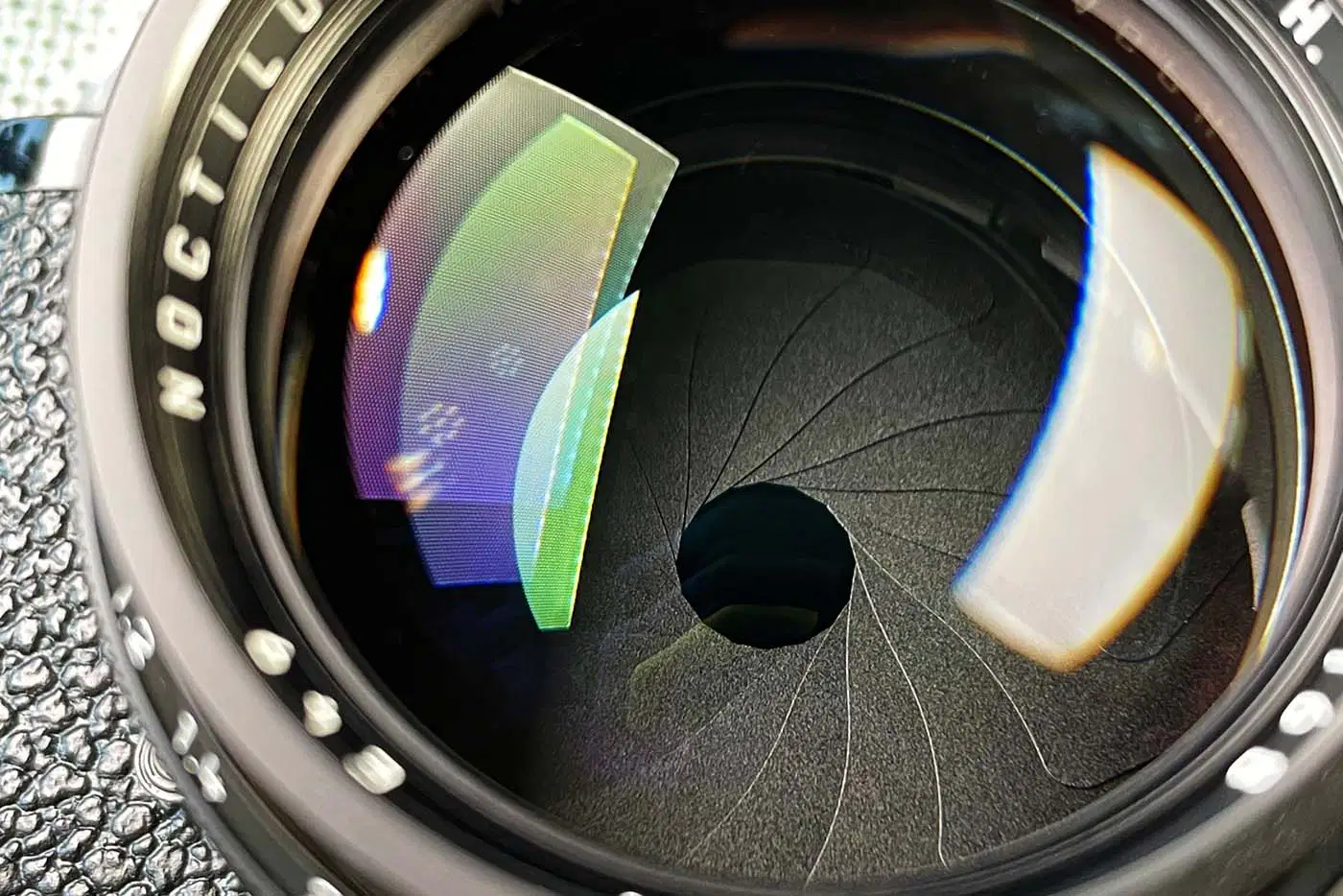
True or False:
Camera lenses focus all the light that enters them into a point. Behind the point, the light spreads out again, eventually creating an upside-down image of the light that entered the lens.
True
False

Today's digital cameras use an electronic light sensor instead of (a) . These sensors are covered in millions of tiny (b) , which calculate the amount of (c) that hits them and store it as digital data.
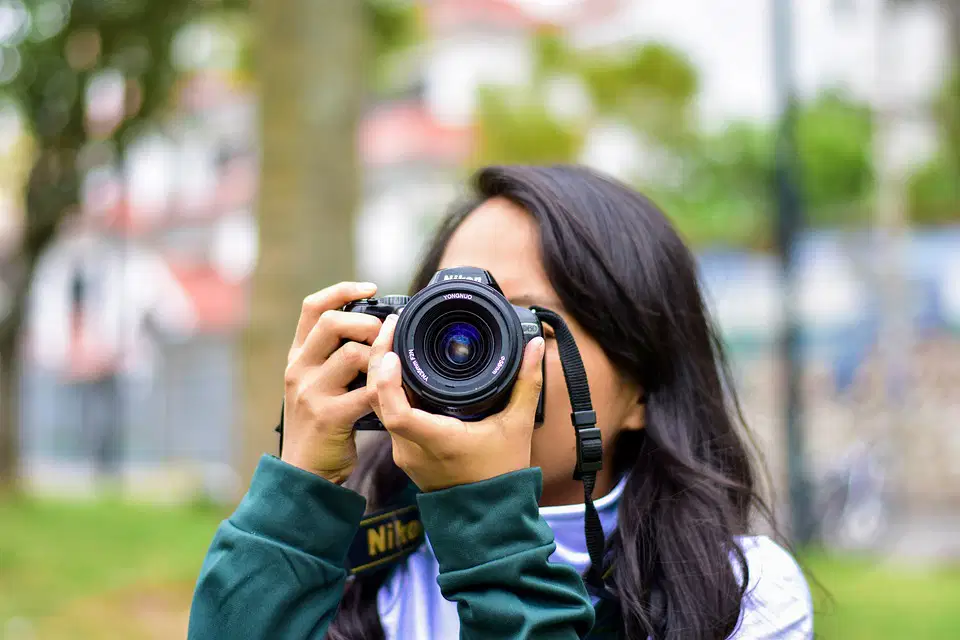
Put in order the steps for taking a picture.
1 = first step; 4 = last step
Photographer presses the button.
The shutter opens.
Light hits the sensor.
The shutter closes.

