
 Worksheets
Vocab Set 6: Influence and Effort
Total questions: 15
Worksheet time: 8mins
Which of the following scenarios best illustrates the concept of "evoke"?
A teacher asking a student to solve a math problem.
A song that reminds you of a childhood memory.
A lawyer presenting evidence in court.
A coach motivating a team before a game.

A manager uses data and statistics to successfully convince the board to approve a new project.
As used in the text, what does the word “convince” most nearly mean?
Elicit
Induce
Invoke
Provoke
Which word would best describe a person who quickly recovers from a setback?
Strenuous
Resilient
Provoked
Evoked

Consider a situation where a politician cites a quote from a famous speech to support their argument.
As used in the text, what does the word “cites” most nearly mean?
Exerts
Elicits
Invokes
Reciprocates

Which of the following actions would most likely "provoke" someone?
Giving a compliment
Ignoring someone's opinion
Offering help to someone
Sharing a neutral fact
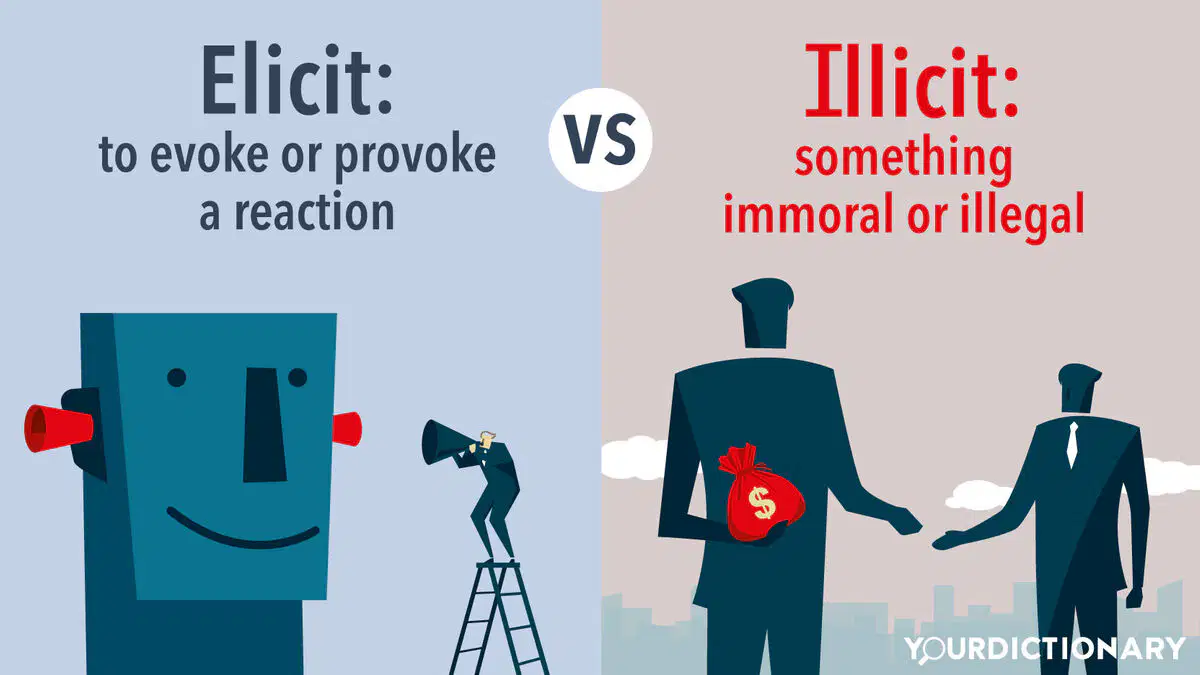
A scientist conducts an experiment to "elicit" a specific reaction from a chemical compound.
What is the scientist trying to do?
Reveal a hidden quality
Draw out a response
Make a physical effort
Recall a memory

Which of the following best describes a "strenuous" activity?
Studying social studies in the library
Listening to music
Performing a science experiment
Running a marathon
You helped your friend move last year, and he returns the favor by helping you move to a new house.
Which term best describes this scenario?
Evince
Reciprocate
Exert
Induce
Which of the following is the best example of "exerting" effort?
Daydreaming
Sleeping in late
Studying for an upcoming exam
Listening to a presentation
In a debate, a speaker "evinces" confidence through their tone and body language. What does this mean?
They are hiding their true feelings.
They are revealing their confidence.
They are recalling past experiences.
They are making a physical effort.
The teacher's encouraging words helped to "induce" a sense of confidence in the students before their big exam.
As used in the text, what does the word “induce” most nearly mean?
persuade
suppress
inhibit
manipulate
A teacher uses a short anecdote (story) to "evoke" interest in a history lesson. What is the teacher trying to do?
Make students memorize facts
Stimulate students' intere
Provoke a negative reaction
Exert physical effort
Which of the following best describes a "resilient" material?
Easily breakable
Quickly returns to its original shape
Heavy and dense
Soft and malleable
A leader "invokes" the legacy of a historical figure to inspire their team. What is the leader doing?
Making a physical effort
Drawing out a response
Citing an authority
Revealing a hidden quality
Which of the following is an example of "provoking" a reaction from someone?
Giving a thoughtful gift
Making a controversial statement
Offering a helping hand
Sharing evidence using neutral facts

