
 Worksheets
Unit 3.2
Total questions: 28
Worksheet time: 14mins
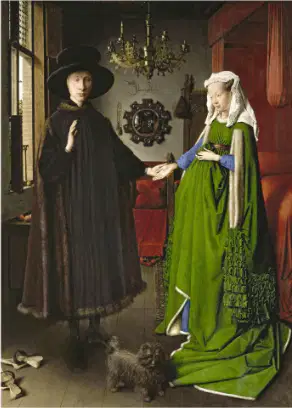
This painting is called
Wedding Portrait
Arnolfini Portrait
Arffolini Portrait
Engagement Portrait
This was painted by
Vermeer
Rembrandt
Van Eyck
Campin
This was painted in
1400s
(15th century)
1500s
(16th century)
1600s
(17th century)
1700s
(18th century)
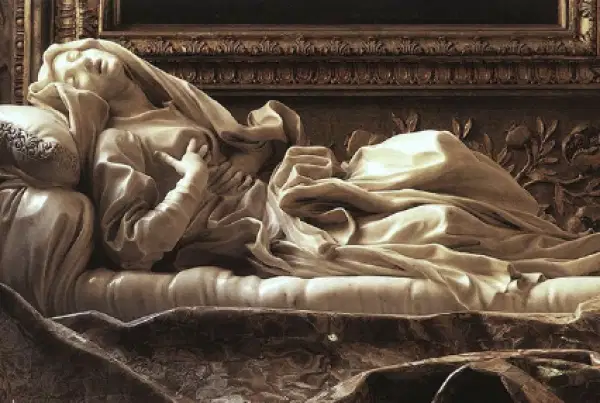
This sculpture is likely from the ----- era
Baroque
Mannerist
Renaissance
Rococo
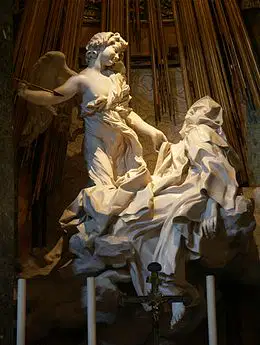
This artwork is located in _____
Il Gesu
San Carlo alle Quattro Fontane
Cornaro Chapel
San Vitale
Saint Teresa’s writings most likely influenced which of the following aspects of Bernini’s sculpture?
The figure’s placement in a grotto
The depiction of the nun’s habit
The depiction of the patron statues
The figure’s pose and expression
Italian Baroque Art is known for
paintings of dogs in hats
expansive gardens and grounds, elaborate ornamentation
sensuous, rich colors, dynamic compositions
emotion, drama, tenebrism

This building is
Cornaro Chapel
San Carlo alle Quattro Fontane
Il Gesu
Piscataway High School
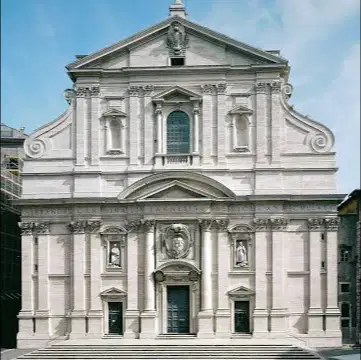
This building is
Cornaro Chapel
San Carlo alle Quattro Fontane
Il Gesu
Piscataway High School
The facade of Borromini’s San Carlo alle Quattro Fontane exemplifies Baroque architecture because it includes which of the following characteristic elements?
Sculptural decorations that are symmetrically organized
Columns that appear on two separate levels
Curving elements that create a dynamic design
Jamb statues that represent religious figures

This artwork is likely by the artist
Caravaggio
Borromini
Bernini
Velazquez
The technique shown here that shows dramatic contrast between light and dark is called
chiaroscuro
tenebrism
contrapposto
shadowing
This artwork is likely from the ___ era
French Baroque
Spanish Baroque
Italian Baroque
Flemish Baroque
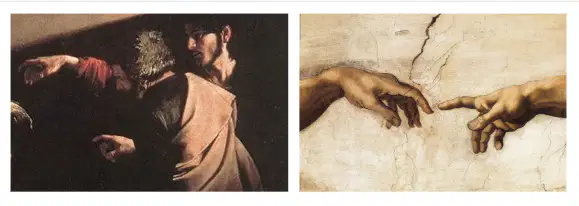
The hand in The Calling of St Matthew references a painting by the artist
Giotto
Michelangelo
Leonardo
Raphael
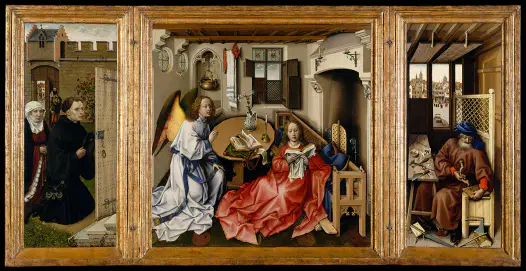
The artist of this work is
Jan van Eyck
Robert Campin
Matthias Grunewald
Albrecht Durer
The medium of this work is
tempera
fresco
oil paint
gold leaf
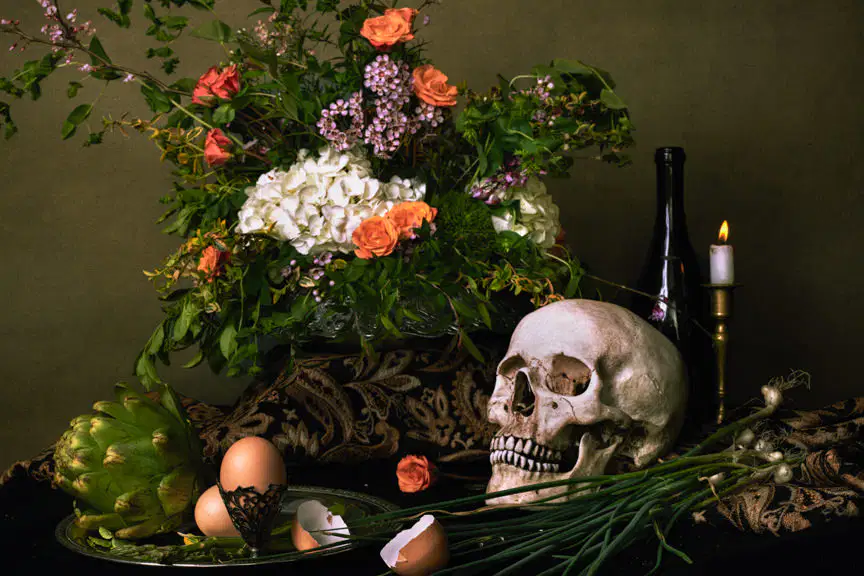
This style of still life painting is called
vanitas
verism
horror vacui
floral skull
This style of still life painting is meant to remind the viewer of
the transience of life
ancient Roman ritual
table manners
paganism
This style of still life painting originated in
Renaissance Germany
Renaissance Italy
Baroque Holland
Neoclassical France
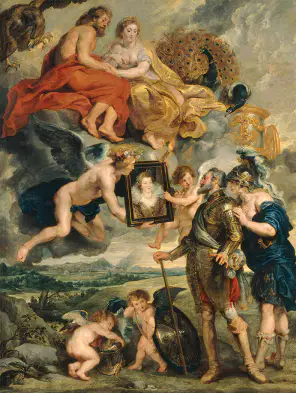
This painting is from
France
Belgium
Italy
England
The artist of this painting is
Velazquez
Rembrandt
Bernini
Rubens
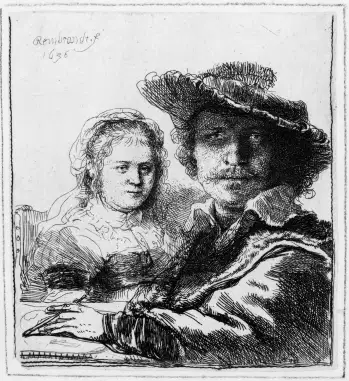
Rembrandt’s use of etching in his Self-Portrait with Saskia allowed him to
model the composition from life
use a woodblock instead of a metal plate
enlarge prints for publication
achieve a wide range of different tones
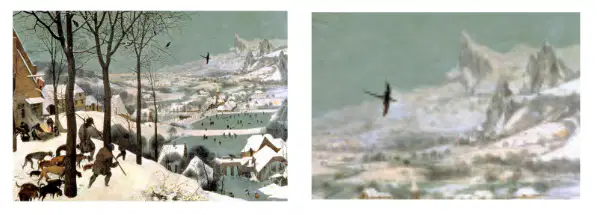
The technique shown in the mountain landscape is called
atmospheric perspective
tenebrism
one point perspective
symmetrical balance

The inclusion of certain details in the portrait of Sor Juana Ines de la Cruz are meant to
remind the viewer of her martyrdom and designation as a patron saint of learning
endow the painting with symbolism connected to the Virgin of Guadalupe
reference her translation of the Bible into Spanish
emphasize her passion for religion and love of literature
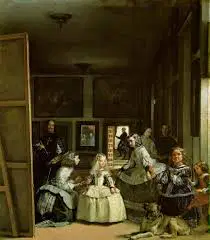
This painting is by
Velazquez
Caravaggio
Rubens
Rembrandt

The French king who build Versailles was
Louis XIV
Louis XV
Louis XVI
Louis Armstrong
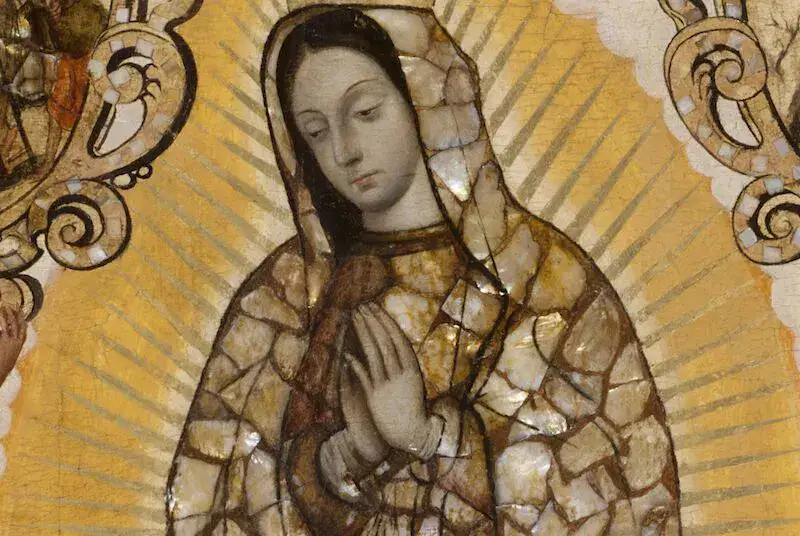
The technique shown here that inlays mother of pearl into oil painting is known as
di sotto in su
biombo
enconchado
pinturas de castas
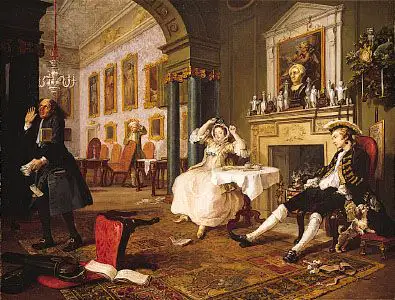
the artist of this painting is
Samantha Knierim
Jan Van Eyck
Robert Campin
William Hogarth

