
 Worksheets
Weathering, Erosion, and Deposition of Earth's Spheres Quiz
Total questions: 20
Worksheet time: 10mins
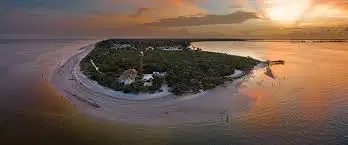
After a wild hurricane adventure, Mia, Nora, and Scarlett went exploring along the coastline near their homes on Sanibel Island. They were amazed to see that the beach had grown bigger! Which of the following processes is the most likely reason for this exciting change?
Physical weathering
Deposition
Chemical weathering
Erosion
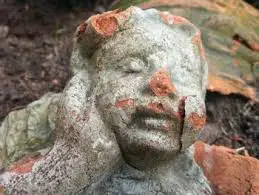
Benjamin, Lily, and Avery are on a science adventure! They spot a statue in the park that looks like it’s changing over time. Which of the following is an example of chemical weathering that might be happening to the statue?
A tree root growing into a rock and splitting it
Water flowing over rocks and smoothing them
Iron in rocks reacting with oxygen to form rust
Wind blowing sand against a rock surface
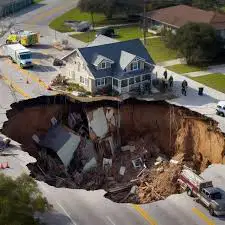
Sophia, Ava, and Mason are exploring the mysteries of Florida when they stumble upon a giant sinkhole! They wonder: What geological process is mainly responsible for creating these dramatic sinkholes in areas full of limestone?
Physical weathering
Deposition
Chemical weathering
Erosion
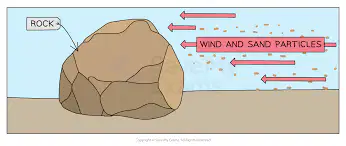
While hiking in the desert, Mason, Abigail, and Noah started a friendly competition to spot the smoothest rocks. They wondered: how do these rocks get their smooth surfaces from the wind?
Rocks are weathered when wind is coming from a certain direction
Rocks are weathered by sediment or smaller pieces of rock carried by wind
Rocks are weathered only by strong winds
Rocks are weathered only by storms
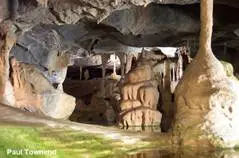
Grace, David, and Priya are exploring a mysterious cave and notice some interesting changes in the rocks! Which of the following is an example of Chemical Weathering that they might discover?
Wind eroding sand dunes over time
Acid rain reacting with limestone
Glaciers grinding rocks into smaller pieces
Tree roots breaking through pavement
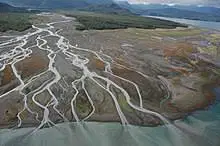
During a geography adventure, Avery, Aria, and Rohan imagined themselves as explorers discovering how Earth is always changing! They learned that physical and chemical changes can wear down the land, but sometimes, new landforms are built up by materials being dropped off. Which of these landforms do you think is most likely created by deposition?
Rivers
Caves
Valleys
Deltas
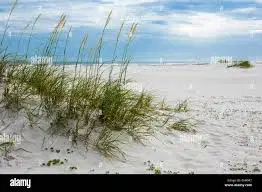
Kai, Grace, and Aria are fascinated by the wild power of hurricanes and how they can reshape the sand dunes at Cape Coral beach almost overnight! The friends want to team up and use systematic observations to track these changes. Which of the following methods would be the most fun and effective way for them to study how the sand dunes change before and after hurricanes?
Building a miniature model of the beach and simulating hurricane conditions
Taking regular photographs of the sand dunes before and after hurricanes
Using a fan to blow sand and observing the movement patterns
Collecting water samples from the beach before and after hurricanes
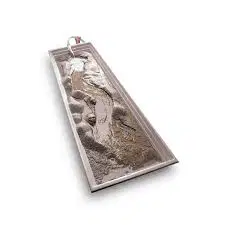
Evelyn, Nora, and Ava are on a science adventure! They set up a slope and try pouring water over different types of soil to see what happens. They repeat this experiment with all sorts of soil samples. What are these curious students trying to find out?
Does the angle of the slope affect soil erosion?
Does the amount of water affect soil erosion?
Does the type of soil affect erosion rates?
Does the width of the slope affect soil erosion?
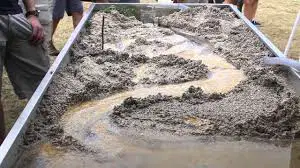
Olivia, Liam, and Samuel are on a science adventure! They set up a stream table to see how changing the flow rate of water affects how far sand can travel. Each time, they use the same type and amount of sand, and adjust the water flow to see what happens. After each trial, they cheerfully measure how far the sand has moved. What are Olivia, Liam, and Samuel mainly measuring in their experiment?
The velocity of the water
The slope of the stream table
The distance the sediment travels
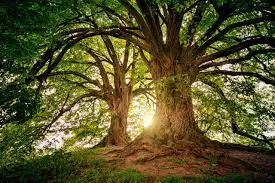
Samuel, Ethan, and Jackson are exploring how different parts of Earth interact! Which of the following is a cool example of the biosphere and the atmosphere working together?
A fish swimming in a river
Clouds forming in the sky
A tree absorbing carbon dioxide
Rocks being eroded by wind
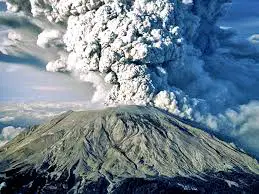
Emma, William, and Mia are watching a volcano erupt and are amazed by the huge cloud of ash! Which Earth system do you think is most affected by this explosive event?
Cryosphere
Geosphere
Atmosphere
Hydrosphere
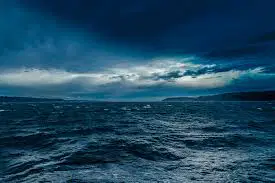
Scarlett, Arjun, and Daniel are curious about how water moves all around our planet! Which Earth system is mainly responsible for the amazing water cycle?
Hydrosphere
Atmosphere
Geosphere
Biosphere
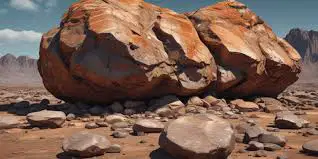
Aria, Abigail, and Charlotte are on a rock-hunting adventure! They notice that some giant rocks have broken down into smaller pieces, but the rocks are still made of the same stuff. Which process is responsible for breaking down these rocks into smaller particles without changing what they're made of?
Chemical weathering
Physical weathering
Deposition
Erosion
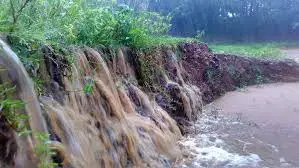
Nora, Luna, and Liam are exploring how different parts of Earth interact! Which of the following is a cool example of the hydrosphere (water) interacting with the geosphere (land)?
Rainwater causing soil erosion
Plants absorbing sunlight
Wind shaping sand dunes
Animals breathing oxygen
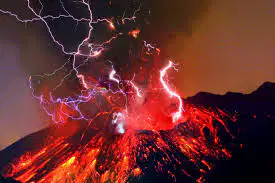
Mason, Avery, and Nora are on a science adventure! They want to find a real-life example of the atmosphere and the geosphere interacting. Which of the following situations should they choose?
Plants growing in soil
Volcanic ash being released into the air
Fish swimming in a lake
Rivers flowing into the ocean
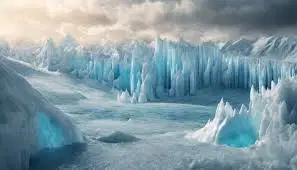
Benjamin, Anika, and Isla are on a chilly adventure to explore the frozen parts of the Earth! Can you help them figure out what this icy region is called?
Geosphere
Hydrosphere
Cryosphere
Atmosphere
Noah and Aria are exploring the wonders of our planet! Which of the following is a cool example of how the biosphere and the hydrosphere interact?
Rocks being eroded by rain
Wind blowing across a desert
Volcanic ash settling in the ocean
Fish swimming in a lake
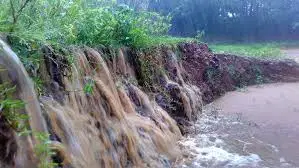
On a field trip adventure, William, Elijah, and Nora watched as a river carried loads of muddy sediment downstream like a natural conveyor belt! Which process is mainly responsible for moving all that sediment along the river?
Erosion
Chemical weathering
Physical weathering
Deposition
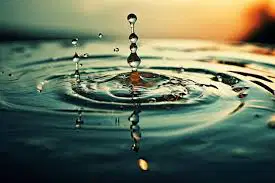
Avery, Abigail, and Kai are exploring how Earth's systems interact! Which of the following is a cool example of the atmosphere and the hydrosphere working together?
Wind eroding rocks
Rain falling into the ocean
Plants absorbing nutrients from soil
Animals drinking water
Priya, Abigail, and Grace are setting up a science experiment. Which variable in their experiment NEVER changes, no matter what they do?
Dependent Variable
Constant Variable
Independent Variable
Qualitative Variable

