
Font size
 Worksheets
Evidence for Evolution
Total questions: 20
Worksheet time: 10mins
______________________ are fossils that allow scientists to compare similar features of two different groups of organisms.
Transitional fossils
Trace fossils
Mineralization
Original material
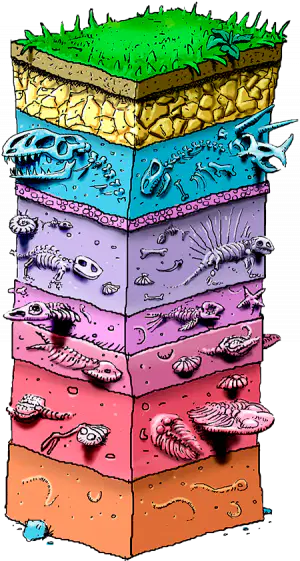
The ______________________ includes all the remains of living things ever discovered on earth.
Original material
Mineralization
Fossil record
Transitional fossils
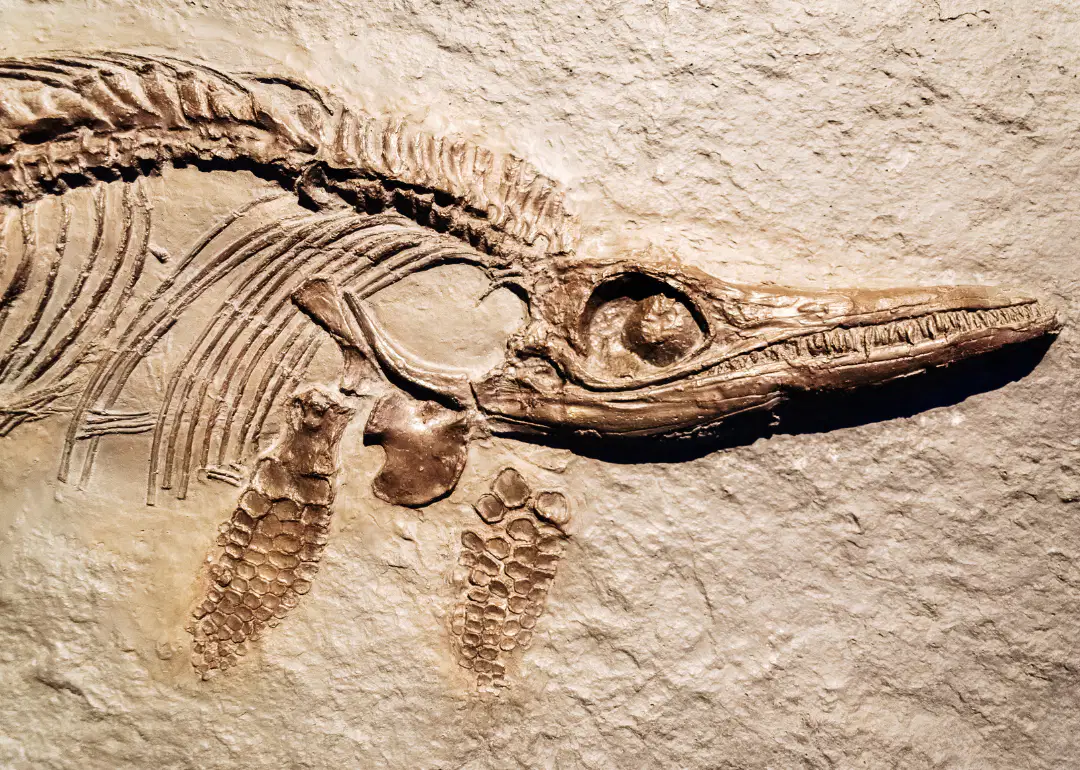
______________________ is a process in which the remains of living things have been replaced with rock-forming minerals.
Transitional fossils
Trace fossils
Mineralization
Original material
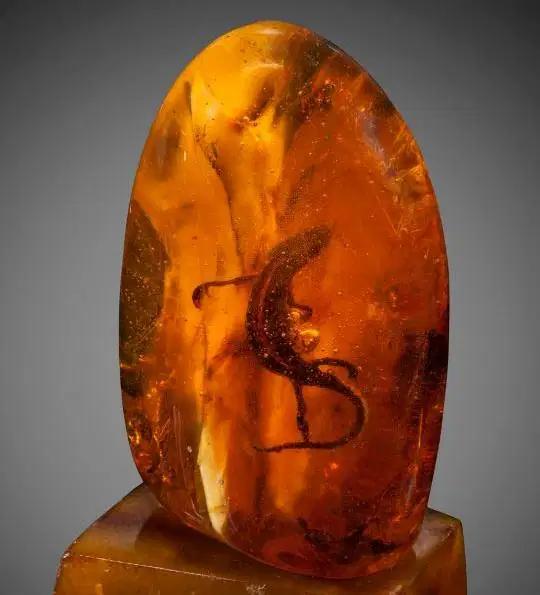
______________________ are fossils that contain tissues that haven’t been replaced with minerals or broken down by decomposition.
Transitional fossils
Trace fossils
Mineralization
Original material

Which type of fossil is caused by an imprint of a living thing in solid rock?
Mineralization
Carbonization
Trace Fossils
Molds & Casts
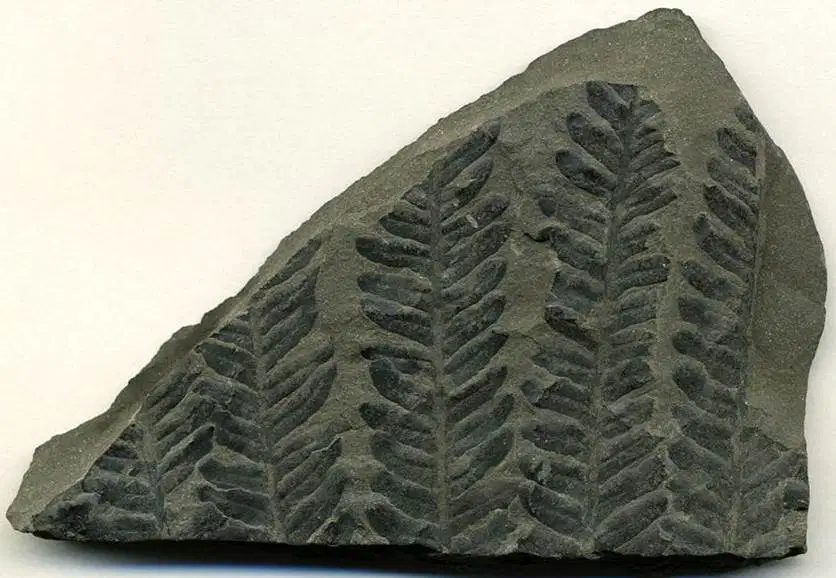
A type of fossilization that leaves behind a thin dark film or outline of carbon in a rock.
Mineralization
Carbonization
Trace Fossils
Molds and Casts
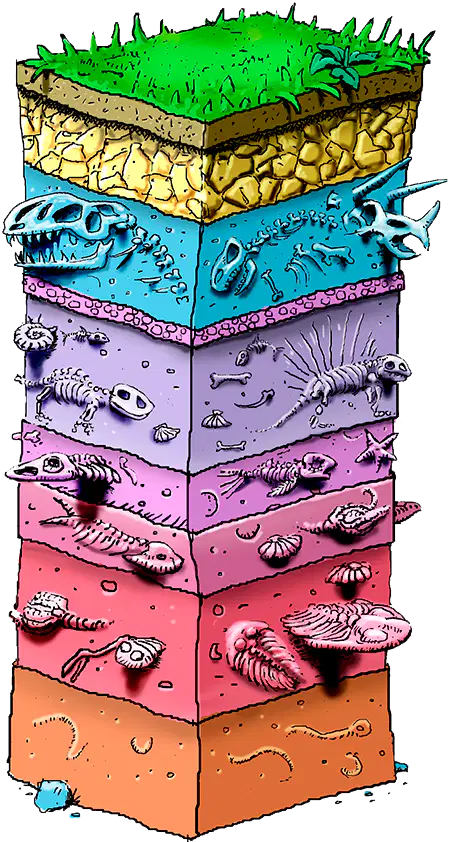
What type of information can we learn from examining the fossil record (check all that apply)?
The age of the Earth
The appearance and behaviors of extinct creatures
The location of natural resources
The evolutionary progression of life
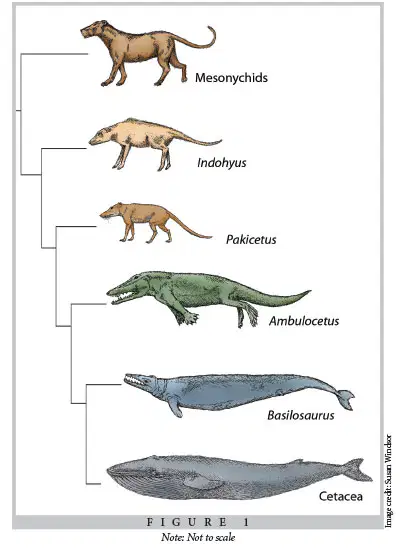
What process is described by the gradual, step-by-step changes in species over time?
Extinction
Evolution by natural selection
Spontaneous generation
Genetic drift

What is the significance of trace fossils?
They show the behavior of organisms
They are the most common fossils
They are only found in deserts
They are the oldest fossils
What does the fossil record show about species transformations?
They happen instantly
They happen gradually over time
They never happen
They only happen in mammals
What is the role of natural selection in evolution?
It prevents any changes in species
It supports gradual changes by favoring certain traits
It causes immediate changes in species
It only affects aquatic species

____________________ structures are remnants of body parts that served a purpose in an organism's evolutionary ancestors but are now reduced in size and function.
Homologous
Analogous
Anatomical

_______________ structures have similar functions in living things but consist of different structures.
Homologous
Anatomical
Analogous
Which of the following is an example of a homologous structure?
The wings of a bat and the arms of a human
The tail fin of a shark and the tail fin of a dolphin
The legs of a ladybug and the legs of a dog
The eyes of an eagle and the eyes of fly

The pectoral fins of sharks, penguins and dolphins are examples of ____________________ structures.
Vestigial
Homologous
Analogous
Anatomical
_____________ structures may not perform the same function, but consist of similar kinds structures.
Anatomical
Analogous
Vestigial
Homologous
What do comparative anatomy studies help scientists to understand about natural history?
It helps scientists understand how best to use natural resources
It helps scientists understand evolutionary relationships between living things
It helps scientists understand how different types of rocks formed
It helps scientists understand how genetic mutations lead to changes in protein structure
Which of the following would be considered evidence that cetaceans (whales and their relatives) evolved from land-dwelling species?
The fact that some cetaceans have teeth while others have baleen
The fact that cetaceans come in all different shapes and sizes
The fact that cetaceans have hip and leg bones even though they don't walk
The fact that cetaceans make sounds that can be heard from many miles away
Which of the following would NOT be considered evidence that two living things may be evolutionarily related?
Both possess homologous structures
Both have similarities between their embryos
Both belong to similar classes of animals (mammals, reptiles, birds etc)
Both have the ability to fly
Which of the following is NOT a structure that ALL vertebrate embryos have in common?
Gills
Eye Spots
Pharyngeal Slits
Spinal Tails

