
 Worksheets
Water REVIEW (ENV)
Total questions: 35
Worksheet time: 35mins
One process used to obtain fresh water from salt water is called
coagulation
filtration
recharge
desalination
What is the primary function of a wastewater treatment plant?
To produce clean drinking water
To remove contaminants from wastewater
To generate electricity from sewage
To desalinate seawater
How does plastic that ends up in the oceans first enter them?
Cargo ships
Streams and storm drains
Littering
All of these
Which law in the United States set water pollution standards and required permits to release pollution?
The Safe Drinking Water Act
The Superfund Law
The Clean Water Act
The Clean Air Act
After the Deepwater Horizon Oil spill cleanup efforts, is the seafood from the Gulf of Mexico safe to eat today?
Yes
No
Which of the following is NOT a solution to freshwater depletion?
Desalination
Recycling wastewater to cool machinery
Drip-irrigation
Increasing fossil fuel use
From greatest to least, rank the primary uses of freshwater around the world
agriculture, industry, personal
industry, agriculture, personal
personal, industry, agriculture
industry, personal, agriculture
An oil spill is an example of
reversible pollution
point-source pollution
natural pollution
nonpoint-source pollution
Seafood farming, including fish, shellfish and seaweeds is known as
overfishing
bycatch
aquaculture
habitat destruction
Which water conservation method reduces the amount of water needed for landscaping and gardening?
Desalination
Xeriscaping
Wastewater treatment
Water recycling
During fishing, animals accidentally caught along with target species' are known as
trawlers
bioaccumulation
bycatch
overfishing
The best way to reduce groundwater pollution is to
build more desalination plants
prevent it from happening
speed up the eutrophication process
increase the use of groundwater mining
Harmful algal blooms are a result of which type of pollution?
nutrient
groundwater
oil
mercury
Which of the following are environmental impacts of microplastic pollution?
Loss of biodiversity
Health issues
Food chain disruption
All of these
What is the Great Pacific Garbage Patch?
A) A natural phenomenon where large amounts of seaweed gather in the Pacific Ocean
B) A gyre in the north-central Pacific ocean that has the largest accumulation of plastic in the world
C) A designated area in the Pacific Ocean where ships are allowed to dump their waste
D) A deep trench in the Pacific Ocean where large amounts of marine life have accumulated
In extreme cases, eutrophication can lead to extremely low levels of oxygen in a body of water as decomposers break down all the dead producers, a condition called
nitrogen fixation
respiration
hypoxia
photosynthesis
All of the land area that supplies water to a particular river system is included in a(an)
water table
aquifer
watershed
recharge zone
Globally, MOST freshwater used by humans is for
agricultural irrigation
drinking and cooking
washing and home use
electrical production
Which of the following is a major source of ocean plastic pollution?
Runoff from agricultural land
Commercial fishing nets and gear
Eutrophication
Leakage from wastewater treatment plants
Which of the following is an example of nonpoint-source pollution?
a container leaking chemicals
a boat leaking motor oil
a pipe releasing hot water
rain washing salt off the roads
Permeable rock layers or sediments that transmit groundwater freely are called ____.
aquifers
aquatards
caverns
springs

What percent of the Earth is Fresh Water?
97%
45%
22%
3%
Which city in South Africa experienced 'Day Zero' in mid-2019 due to severe water shortages?
Johannesburg
Cape Town
Durban
Pretoria
What is an example of point source pollution?
Runoff from farms
Sewage disposal
Yard runoff
Hazardous waste
How is water pollution harming wildlife?
Causing eutrophication
Increasing ocean acidity
Introducing microplastics
All of the above
Which source of pollution is most likely responsible for eutrophication?
Agricultural
Industrial
Automotive
Marine
Improper disposal of trash in a community can find its way into a river miles away.
True
False
How does agriculture affect a watershed?
Fertilizer runoff increases nitrogen levels in bodies of water.
Livestock grazing reduces soil erosion.
Irrigating crops can change the temperature of rivers and streams.
Oil from leaking buses pollutes streams.
Land that collects and channels water from a small body of water to a larger body of water
the shape of the land determined by elevation
A natural stream of water of considerable volume
a river and all its tributaries

A local gardener puts fertilizer on his plants. The plants are very healthy, but what is a negative effect the fertilizers have on the environment?
Excess fertilizer is washed into local streams, causing an overgrowth of algae.
The fertilizer builds up in the soil and causes more weeds to grow over time.
The fertilizer evaporates, causing acid rain to fall on the neighborhood.
The fertilizer pollutes the groundwater causing an overabundance of producers.
Can be traced back to the point of origin.
Point Source Pollution
Non-point source pollution
Cannot easily be traced to the source of the pollution.
Point Source Pollution
Non-point source pollution
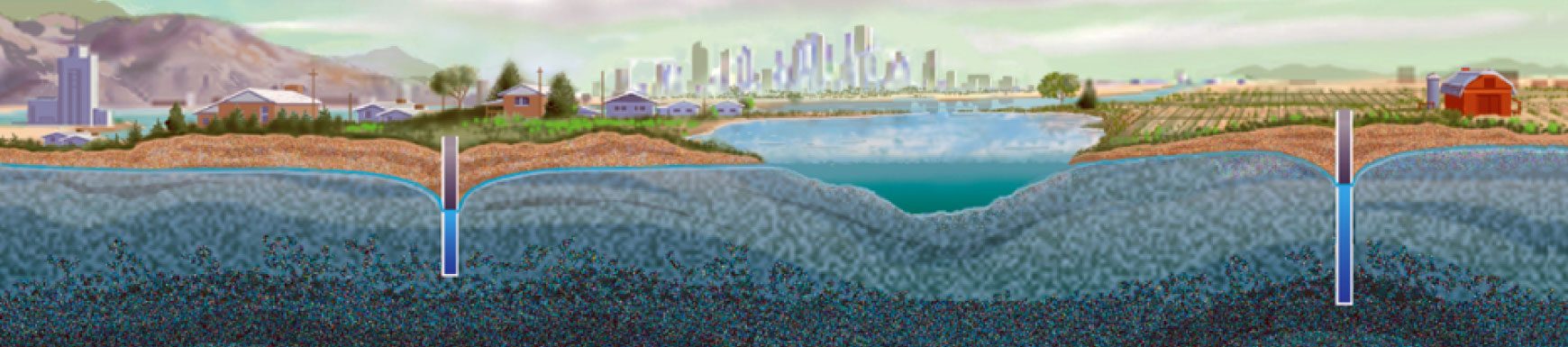
Pesticides and fertilizers are examples of
point source pollution
nonpoint source pollution
The steps of water treatment plants include:
solid trash removed, organisms breakdown material, disinfection
disinfection and decomposition
removal of manure, disinfection, remove solid trash
employees pick up trash, LED lights

