
 Worksheets
Thanksgiving EC CE.2,3,6,5A-C
Total questions: 101
Worksheet time: 1hrs 3mins


Which title would best complete the graphic?
Voter Registration Process
Presidential Nomination Process
Congressional Nomination Process
Naturalization Process
An individual with certain rights and duties under a government is called a ________.
Duty
Citizen
Resident
Amendment
Margaret was born in Mobile, Alabama, and is 16 years old. Under U.S. law, Margaret _______.
Is already a citizen
Is eligible for naturalization
Has to wait to apply for naturalization
Can never be a citizen
Arthur is 34. He has lived in the U.S. for 5 years, is fluent in English, and is respected in the community. He is not yet eligible for naturalization because _______.
He is not old enough to apply
He has not lived in the U.S. long enough
He does not meet the language requirement
He has not taken the naturalization test
True or False: You can only be a citizen by birth if you were born on U.S. soil.
True
False
What is the difference between the 5th and 14th Amendments in reference to due process?
The 14th defines citizenship while the 5th protects us from the states
The 14th outlines due process for the state governments and the 5th for the federal government
The 5th protects us from state governments and the 14th from the federal government
The 14th protects us from the federal government and the 5th defines citizenship
In Williamsburg, VA, a group of people held a meeting to discuss supporting a candidate who was running for mayor. Which constitutional right allowed this meeting to take place?
The right to trial by jury
Freedom of assembly
The right to vote
Freedom of the press
Citizens petition their legislator about the plans to build a shopping center near their homes. These citizens are protected by the _______.
First Amendment
Tenth Amendment
Fourth Amendment
Ninth Amendment
Which of the following is NOT a freedom guaranteed by the First Amendment?
Religion
Assembly
Press
Speech
Due Process
Avram writes to his member of congress to complain about a proposed law. This is an example of which First Amendment freedom?
Religion
Assembly
Petition
Press
Speech
How does a civic responsibility differ from a civic duty?
Failure to perform a civic duty can lead to legal consequences
Only elected officials can perform a civic duty
A civic duty is a type of civic responsibility
Citizens are required to carry out civic responsibilities
Which of the following is a civic duty?
Paying taxes
Voting
Supporting a candidate for election
Running for mayor
Which of the following is a civic responsibility?
Obeying the law
Participating in the draft
Participating on a jury
Talking to your senator about important issues
Rita buys a newspaper every day in order to read about an upcoming election. Which civic responsibility is she demonstrating?
Influencing government actions
Communicating with government officials
Participating in a political campaign
Staying informed of current events
1. Volunteer to help in a home for the elderly
2. Writing a letter to a newspaper expressing concern about a dangerous road intersection
3. Helping to check-in voters at the polls on election day
Ways for citizens to participate in community service
Duties of American citizens
Duties of naturalized American citizens
Requirements that immigrants must fulfill to become naturalized citizens
Which of the following is NOT a characteristic of a good citizen?
Trustworthiness and honesty
Practicing thoughtful decision making
Service to your school/local community
Showing up late to work/school
Turning off your cell phone in the movie theater is an example of which trait of a good citizen?
Trustworthiness
Patriotism
Being courteous and respectful
Accountability and self-reliance
Laura gets herself up each morning and fixes her own breakfast. Which trait of a good citizen is she most likely demonstrating?
Trustworthiness
Patriotism
Being courteous and respectful
Accountability and self-reliance
Juan always obeys the speed limit when he drives his car. This is an example of which trait of a good citizen?
Patriotism
Accountability and self-reliance
Being courteous and respectful for the rights of others
Respect for the law

What trait of a good citizen is the boy in the picture demonstrating?
Trustworthiness and honesty
Respect for the law
Patriotism
Courtesy and respect for the rights of others

Which document defines the structure and powers of the national government?
Declaration of Independence
U.S. Constitution
U.S. Bill of Rights
Articles of Confederation

The powers held by government are divided between the national government, located in _________, and the governments of the 50 states.
Richmond, VA
Baltimore, MD
Philadelphia, PA
Washington, DC

Which of the following are responsibilities of Congress?
(Select all answers that apply.)
raise revenue through taxes and other levies
oversee agencies and departments
veto legislation
regulate interstate and foreign trade
declare war

Which of the following are responsibilities of the president of the United States?
(Select all answers that apply.)
Override vetoes
Propose legislation in a State of the Union Address
Prepare the annual budget
Exercise judicial review
Appoint cabinet officers, ambassadors, and federal judges

Which items below pertain to the judicial branch of the United States?
(Select all answers that apply.)
The Supreme Court exercises judicial review.
There are 9 justices on the U.S. Supreme Court.
Interpret the U.S. Constitution and federal laws
Approve presidential appointments
Which of the following are describe Congress?
(Select all answers that apply.)
bicameral legislature
oversee agencies and departments
House of Representatives
House of Delegates
Senate
Which of the following are describe the U.S. House of Representatives?
(Select all answers that apply.)
bicameral legislature
435 members
100 members
number of members is two per state
number of members is based on populations of the states
Which of the following are describe the U.S. Senate?
(Select all answers that apply.)
bicameral legislature
435 members
100 members
number of members is two per state
number of members is based on populations of the states

Which of the following are checks the legislative branch (Congress) has over the executive branch (the president)?
(Select all answers that apply.)
impeach and convict judges/justices
approve the annual budget
approve presidential appointments
override presidential vetoes
Which of the following are checks the legislative branch (Congress) has over the judicial branch (the Supreme Court)?
(Select all answers that apply.)
impeach and convict judges/justices
approve the annual budget
confirm or refuse to confirm judges/justices
override presidential vetoes
Which of the following are checks the executive branch (the president) has over the judicial branch (the Supreme Court)?
(Select all answers that apply.)
impeach and convict judges/justices
appoints judges/justices
grants pardons and reprieves
override presidential vetoes
Which of the following are checks the executive branch (the president) has over the legislative branch (Congress)?
(Select all answers that apply.)
propose legislation (State of the Union Address)
prepare the annual budget for Congress to approve
call special sessions of Congress
declare war
veto legislation
Which of the following are checks the judicial branch (the Supreme Court) has over the legislative branch (Congress)?
declare war
prepare the annual budget for Congress to approve
call special sessions of Congress
declare act of Congress (legislation) unconstitutional
Which of the following are checks the judicial branch (the Supreme Court) has over the executive branch (the president)?
declare executive actions unconstitutional
grant pardons and repreives
call special sessions of the cabinet
declare act of Congress (legislation) unconstitutional

What are the powers of Congress that are specifically listed in the Constitution?
reserved
expressed
implied
concurrent
What are the powers of Congress that are used to carry out the specifically listed powers in the Constitution?
reserved
expressed
implied
concurrent

What is the first step of the lawmaking process in Congress?
Send the bill to the president.
Work in committees.
Vote on the bill in both houses.
Introduce the bill in either house.
After the bill is introduced on the floor of either house, what is the next step of the lawmaking process in Congress?
Send the bill to the president.
Work in committees.
Vote on the bill in both houses.
Introduce the bill in either house.
A bill has been introduced in the House of Representatives, sent to a committee for study and revision, and debated on and voted for on the House floor. Now what?
The bill will be sent to the president to sign or veto.
The bill will return to committee for further study.
The bill will be sent to the Senate where the process will be repeated.
What is the final step of the lawmaking process for Congress?
The bill will be sent to the president to sign or veto.
The bill will return to committee for further study.
The bill will be sent to the Senate where the process will be repeated.

Which of the following are ways the executive branch influences policy making at the federal level? (Select all answers that apply.)
Delivering an annual speech to Congress
Introducing a bill on the floor of the House of Representatives or the Senate
Issuing executive acts/orders
Approving or vetoing legislation
Appealing directly through the media and communications with citizens

Who helps the president of the United States to execute the laws?
(Select all answers that apply.)
Cabinet departments
Agencies and regulatory groups
Congress
Federal courts

What "hat" is the president wearing when he sends the troops into battle?
Chief of State
Chief Executive
Chief Legislator
Commander-in-Chief
Chief Diplomat
What "hat" is the president wearing when he reassures citizens during times of national crisis?
Chief of State
Chief Citizen
Chief Legislator
Commander-in-Chief
Chief Diplomat
What "hat" is the president wearing when he enforces federal laws and hires officials within the executive branch?
Chief of State
Chief Citizen
Chief Legislator
Chief Executive
Chief Diplomat
What "hat" is the president wearing when he welcomes foreign leaders to the U.S.?
Chief of State
Chief Citizen
Chief Legislator
Chief Executive
Chief Diplomat
What "hat" is the president wearing when he signs or vetoes a bill?
Chief of State
Chief Citizen
Chief Legislator
Chief Executive
Chief Diplomat
What "hat" is the president wearing when he makes treaties and helps develop policies for dealing with foreign countries?
Chief of State
Chief Citizen
Chief Legislator
Chief Executive
Chief Diplomat
What "hat" is the president wearing when he attends fundraisers for candidates and appoints party officials?
Chief of State
Chief Citizen
Chief Legislator
Commander-in-Chief
Chief of Party
Presidential power has grown in the years since the Constitution was ratified. What are some examples of the increased power of the president? (Select 2.)
Veto legislation
State of the Union Address
Executive actions/orders
Appointing cabinet members
How can political parties win the support of the majority of the voters?
Appealing to the political left
Appealing to the political center
Appealing to the political right
How can you identify the differences in the two major political parties?
Detecting bias
Stated in party platforms and reflected in campaigning
Identifying propaganda
Which of the following is NOT a characteristic of Third Parties?
Introduce new ideas and/or press for a particular issue
Often take votes away from the two-major parties
Usually win most national and state elections
Often revolve around a political personality (e.g., Theodore Roosevelt)
All of the following are Third Parties EXCEPT -
Constitution Party
Democratic Party and Republican Party
Green Party
Libertarian Party

Political parties distribute literature about their candidates in order to--
assist people in getting to their polling places
help new residents register to vote
recruit individuals to run for office
educate the electorate about campaign issues

Where along the political spectrum to both political parties try to win votes in the general election?
Far left (liberal)
Far right (conservative)
Moderate right
Political center

President Trump comes to Virginia to help a member of his political party campaign for Virginia Governor. The President is
educating the electorate about the campaign issues
helping the candidate win the election
monitoring the opposing political party
nominating a candidate for public office

All of the following are similarities of the major political parties EXCEPT
Organize to win elections
Reflect liberal and conservative views
Revolve around a political personality
appeal to the political center
Influence public policies
How many major political parties are in America?
2
3
1
lots
What is the definition of electorate?
member of a specific political party
A person that is elected by the people.
All the people eligible to vote in a selected area.
A place where you get electricity.
Why are political parties important?
Provide opportunities for citizens to participate in the political process.
They only matter in Presidential elections.
They show bias in our society.
Which of the following is NOT a function of political parties?
Recruit and nominate candidates
Educate the electorate
Help candidates win elections
Monitor the actions of officeholders
Serving on juries to convict criminals
Which of the following is a similarity held by all political parties?
Try to win votes by expressing only liberal opinions
They want to influence public policies.
They want to give all control to the states.
They believe in strong central government.
All parties are similar because they want to ______.
reflect only conservative views
appeal to the liberal side of the political spectrum
influence public policy
organize to lose elections
America is characterized by a _____- party system.
one
two
three
multi
In order to receive the majority of votes, political parties and candidates try to appeal to the ______ of the political spectrum.
Liberal side
Center
Conservative side
Third parties differ from the two main political parties because third parties–
Have more money
Have more political experience
Have more members
Are often concerned with one issue

What function of political parties is displayed in the headline?
Educating electorate about campaign issues
Appeal to the political center
Recruit and nominate candidates
Helping candidates win elections
Political parties distribute literature (flyers, books, etc.) about their candidates in order to-
Recruit individuals to run for office
Educate voters about campaign issues
Help new residents register to vote
Assist people in getting to their polling places
All parties are similar because they want to ______.
reflect only conservative views
appeal to the liberal side of the political spectrum
influence public policy
organize to lose elections

What does Uncle Sam symbolize in a political cartoon?
Peace
Protection
United States
United Kingdom

Which country does the bear symbolize?
United States
Russia
United Kingdom
Germany

A third party

Which country does the eagle symbolize?
United States
Russia or USSR
United Kingdom
Germany

This cartoon shows that America is protecting people in what country?
Spain
The United States
Cuba
The Philippines

What is the main message of this cartoon?
Teddy Roosevelt was responsible for building the Panama Canal.
The people of Panama built the Canal.
Teddy Roosevelt tried to stop the building of the Panama Canal.
Teddy Roosevelt liked to wear silly hats.
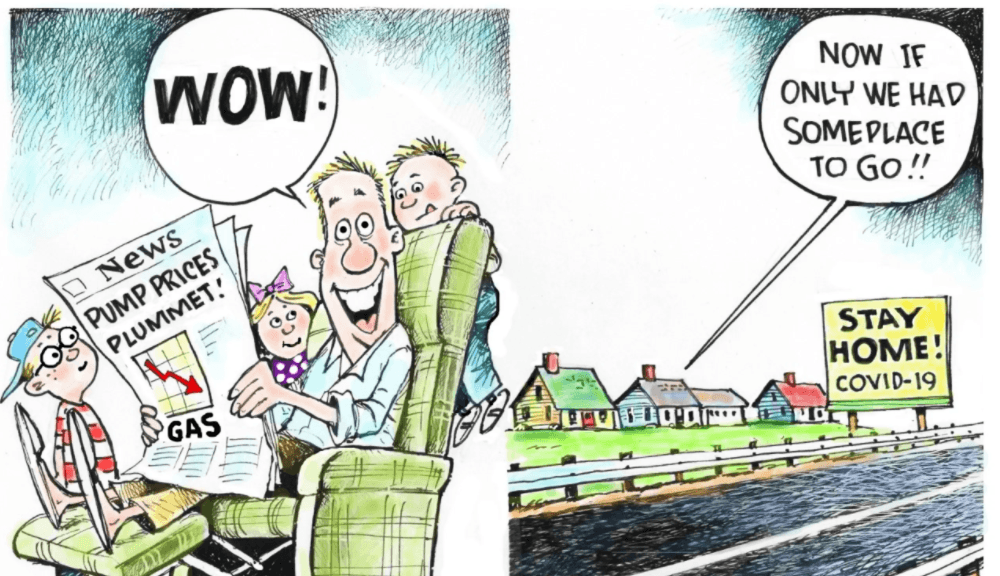
What point is in this political cartoon making?
School is finally out and the family wants to go on vacation.
Gas prices have finally dropped but Covid-19 is keeping people from traveling.
People want to travel to escape Covid-19.
People want to stay home because gas prices are rising.
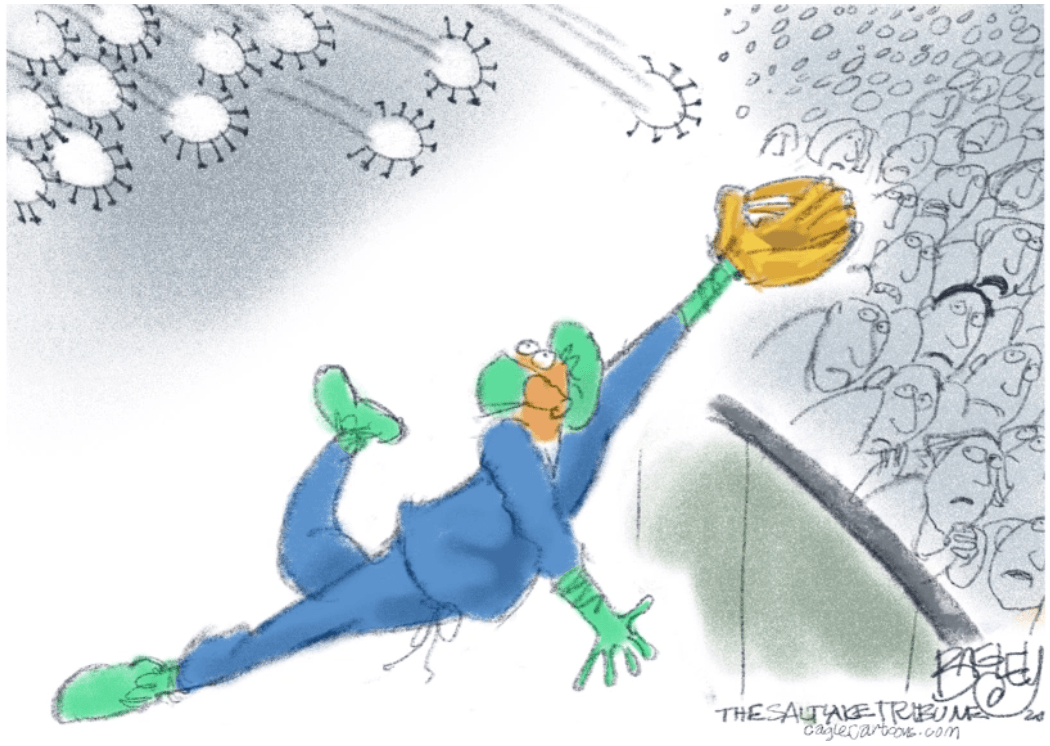
The player is representing what profession and how do you know?
A baseball player because he is wearing protective clothing to stay safe while playing his sport.
A baseball player because he is wearing the normal baseball uniform.
A doctor, because he is wearing protective clothing used in hospitals.
A doctor, because he is on the hospital baseball team.

What is the point of this political cartoon?
Kids are safely walking in the crosswalk.
Kids are too busy on their devices to pay attention to the car.
Kids are using their technology to be safe.
Kids are in danger because the driver is on their device.
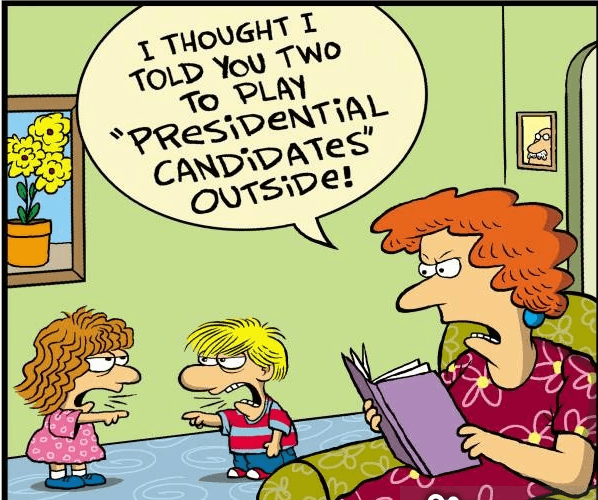
What is the "serious" message presented by this cartoon?
Parents don't like it when kids fight in the house.
Kids often disagree about who should be the next president.
Presidential candidates argue a lot, much like when siblings fight with each other.
Kids like to argue.

