
 Worksheets
1_Nanay Waling
Total questions: 22
Worksheet time: 25mins

This is Nanay Waling. What questions will you ask her during case history?
What is the chief complaint of nanay Waling?
Intermittent blurring of vision at far and near
nausea and dizzness
eye ache
photophobia
Aside from patient's chief complaint, she experiences changing of vision throughout the day along with nausea, dizziness, eyeache and tearing. She is also light-sensitive, and experiences foggy vision, scattering o lights and says her vision is better at daytime than at night time. Which of the following conditions are included in the patient's differential diagnosis?
Acute Conjunctivitis
Open Angle glaucoma
Closed-Angle Glaucoma
Uveitis
Corneal Trauma
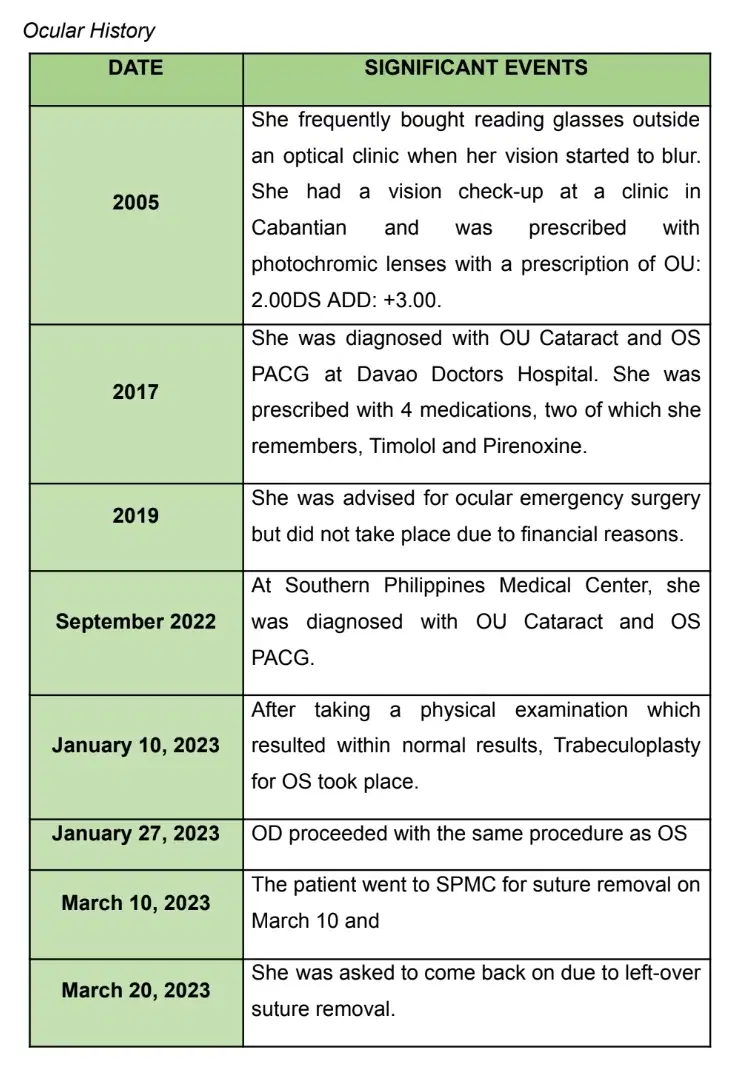
Please read the patient's ocular history. What is the most prominent concern / condition of the patient?
(a)
Now knowing the patient's primary concern, which of the following are most likely the problems encountered by the patient everyday?
Bumping into furniture
difficulty adapting to dark place/ surroundings
Warping of letters when reading
missing letters when reading
Considering the patient's chief complaint and condition, which of the following preliminary tests are helpful to provide information about the patient's diagnosis?
Confrontation test
Ophthalmoscopy
Van Herick Technique
Tonometry
Confrontation test is conducted...
monocularly
binocularly
Illumination needed for Confrontation test
Room illumination
Dim Illumination
Dim illumination with light beam
What is the purpose of confrontation test
Test distance of Confrontation test
60 cm
70 cm
80 cm
90 cm
100 cm
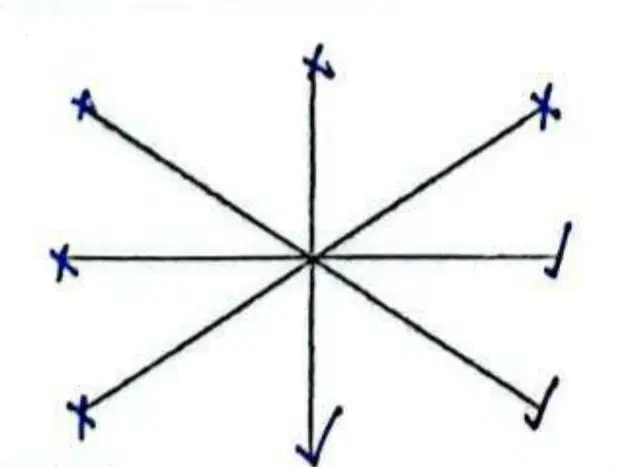
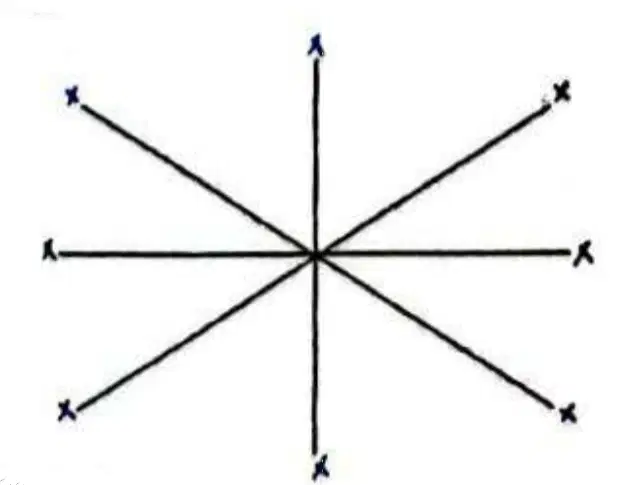
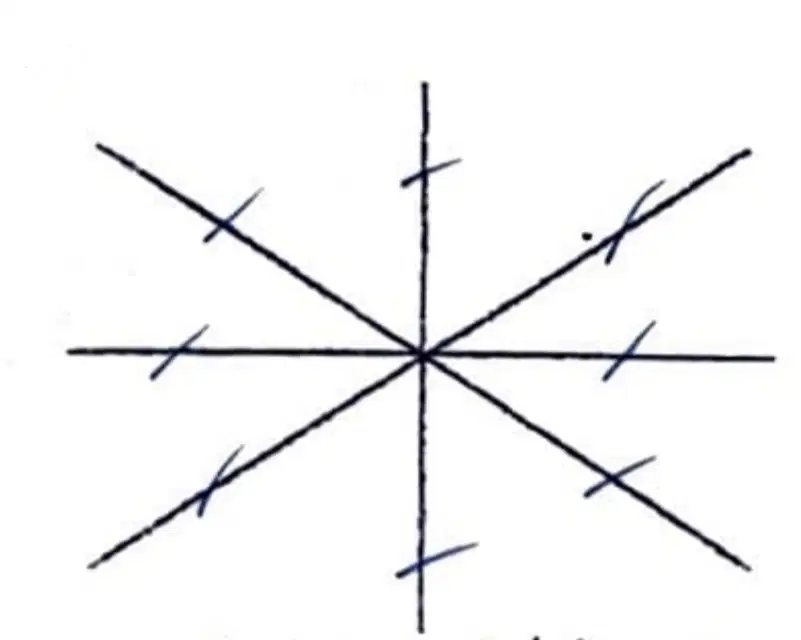
What numbers are presented during the confrontation test?
1
2
3
4
Which of the following is true about the confrontation test?
Patient fixates at the doctor's open eye
You ask the patient to occlude his left eye and so you ask him to fixate at your right eye
If patient's right eye is being tested, patient should look at doctor's right eye
If patient's left eye is being tested, patient should look at doctor's nose
Confirmatory tests for confrontation test are the following
Tangent screen
Perimetry
D-15
Dynamic VA
If patient has PACG, what is most likely the Van Herrick Technique result expected?
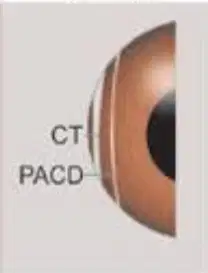
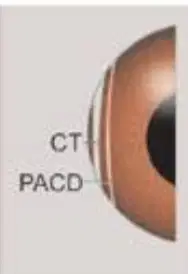
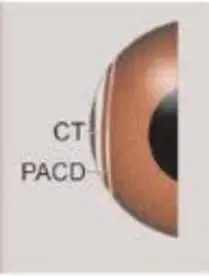
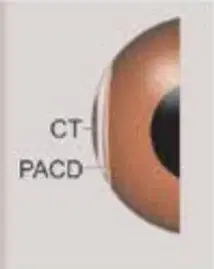
At what angle is the Van Herrick Technique conducted?
20 degrees
60 degrees
90 degrees
What type of beam is used for Van Herrick Technique?
conical beam
parallelpiped
optic section
During direct ophthalmoscopy, the patient fixates at
the eye practitioner's ophthalmoscope (clip-on target placed on ophthal)
The distance chart
the eye practitioner's nose
You use the direct ophthalmoscope at the patient's right eye. You are currently using your
right eye with left eye closed
right eye with both eyes open
left eye with right eye closed
left eye with both eyes open
During direct ophthalmoscopy, you observe the patient's cup disc ratio, which of the following is most likely the patient's cup disc ratio?

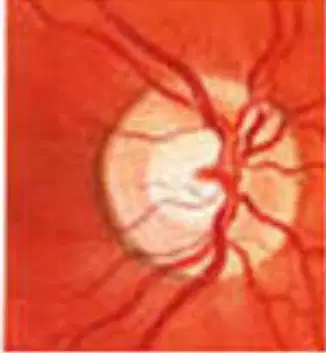
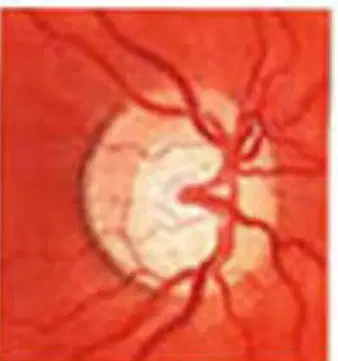
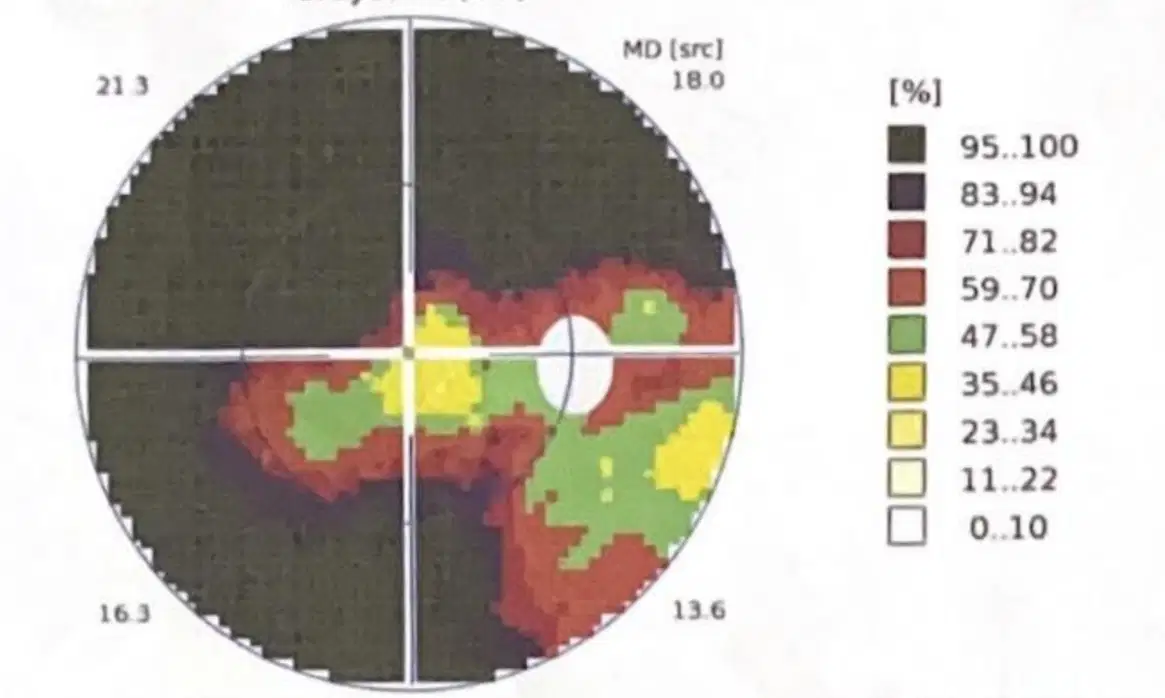
Identify the test result shown
Perimetry results (OD)
Perimetry result (OS)
Tangent screen (OD)
Tangent screen (OS)
Which of the following result of confrontation test complements the perimetry result shown?
Management: Which of the following best suits the management needed for Nanay Waling's complaint of Photophobia, scattering of lights and night vision complaint
visors or caps
absorptive filters/ lenses like yellow or amber
large print book
CCTV

