
NEW
Font size
 Worksheets
Exploring 'Being a Beast' by Charles Foster
Total questions: 14
Worksheet time: 7mins
What does 'Being a Beast' reveal about the relationship between humans and the animal kingdom?
The significance of animal symbolism in literature.
The ethical implications of animal rights and welfare.
The investigation of sensory experiences and instincts in various species.
The historical evolution of human-animal interactions.
Which animals does the author attempt to embody?
Reptiles that live in water.
Only mammals like dogs and cats.
Various animals, often metaphorical representations.
Birds that can fly high in the sky.
What unique experience does the author have while living as a badger?
The author learns to dig tunnels like a badger.
The author becomes a master of foraging for food.
The author develops a talent for climbing trees.
The author gains a unique perspective on nature and animal behavior.
What type of writing styles are combined in 'Being a Beast'?
memoir and nature writing
fiction and poetry
biography and travel writing
journalism and historical writing
What does the author discover about the importance of trees while living as a badger?
Trees are essential for maintaining biodiversity.
Trees are merely decorative and serve no purpose.
Trees only contribute to the aesthetic value of the landscape.
Trees are mainly used for producing paper products.
In what ways does the author modify his eating habits throughout his journey?
The author exclusively consumes organic foods.
The author varies his meals by incorporating different cuisines and changing meal times.
The author eliminates all fats from his diet.
The author only drinks smoothies during his experiences.
What philosophical questions does the book raise about nature?
The book focuses on historical events related to nature.
The book raises philosophical questions about the intrinsic value of nature, human-nature relationships, and environmental ethics.
The book explores the technological advancements in environmental science.
The book discusses the economic benefits of nature.
What impact does the author's journey have on his views about urbanization and nature?
It shows that urbanization has no effect on wildlife.
It suggests that urban areas can completely replace natural environments.
It highlights the conflict between urban development and natural habitats.
It reinforces the idea that urbanization is beneficial for wildlife.

Please listen while I ____________ your duties.
define
definable
made up
attempt
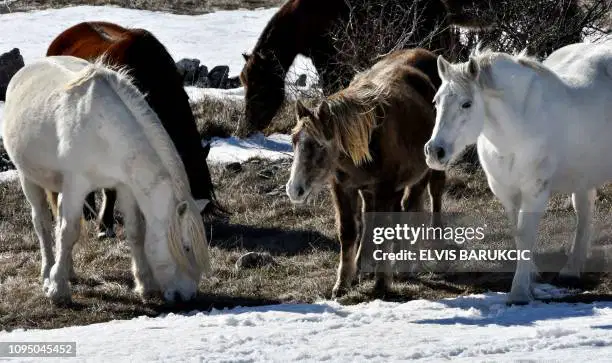
Horses are able to _______ for grass even under deep snow.
solitary
desperation
forage
thrive

These animals _____ on the leaves of certain trees.
solitary
desperation
forage
thrive

Which word could describe the man with the cap in the picture?
witty
fascinating
solitary
urban

Which word could describe the man with the cap in the picture?
witty
fascinating
solitary
urban

I decided not to risk a second close ________ with the snakes.
encounter
arrested
exposure
hunted

