
 Worksheets
End of Semester Test Prep 8G
Total questions: 23
Worksheet time: 16mins
She ___________________ searched through her bag for the car keys, knowing she was already late for the meeting.
smugly
doubiously
frantically
vindictively
loudly
The chef ______________ presented his dish, confident it would outshine his competitors' efforts.
frantically
vindictively
greedily
dubiously
smugly
The diplomat negotiated a peace treaty that included ______________________ for the displaced communities, ensuring they would receive the resources to rebuild their lives.
rubbish
compensation
pouches
mentors
antimacassars
Match the following
In a literary setting, _________ refers to the structured sequence of events and actions that make up the narrative of a story.
plot
A ________ is a universal and recurring symbol, character type, theme, or narrative pattern that serves as a foundational element in storytelling, resonating across cultures and historical periods.
literary archetype
A sophisticated narrative technique used by authors to provide subtle hints, clues, or indications about significant events or outcomes that will unfold later in the story.
foreshadowing
It is a universal template that outlines the archetypal journey of a hero as they undergo transformation through trials, challenges, and self-discovery.
monomyth
Refers to the multidimensional framework within which a narrative unfolds, encompassing the physical, temporal, cultural, and psychological contexts that shape the story's atmosphere, character behavior, and thematic resonance
setting
Which scholar is most closely associated with the monomyth?
Sigmund Freud
Carl Jung
Roland Barthes
Joseph Campbell
Arthur Schopenhauer

Gandalf in The Lord of the Rings epitomizes the (a) figure, offering guidance and moral clarity to Frodo.
The concept of the (a) suggests that all heroic tales share a cyclical journey involving departure, initiation, and return.
Isaac Asimov's works are foundational to ___________________, particularly his exploration of robotics and the ethical dilemmas they present.
horror fiction
historical fiction
realistic fiction
romance fiction
science fiction
Mary Shelley’s Frankenstein explores the _______________ of the mad scientist defying natural laws.
setting
archetype
hero
mentor
foreshadowing
In third-person limited point of view, the narrator:
Reveals the inner thoughts and feelings of one character at a time.
Directly addresses the audience.
Knows everything about every character in the story.
Only describes the events and actions without revealing thoughts.
The scientist dismissed the unverified claims as ___________________, insisting on evidence-backed conclusions.
fate
pranks
compensation
rubbish
talismans
The dictator's __________________ policies punished dissenters harshly, instilling fear across the nation.
smug
dubious
avaricious
vindictive
hospitable
She ____________________ a formal apology from her colleague for the offensive remark made during the meeting.
spoiled
demanded
clogged
grimaced
harassed
After sitting out in the sun all day, the fish became (a) and had to be discarded.
The prisoners endured _________________ conditions, confined to tiny cells with minimal food and water.
vindictive
avaricious
doughty
oppressive
smug
A theme is a universal idea, lesson, or message explored throughout a work of literature.
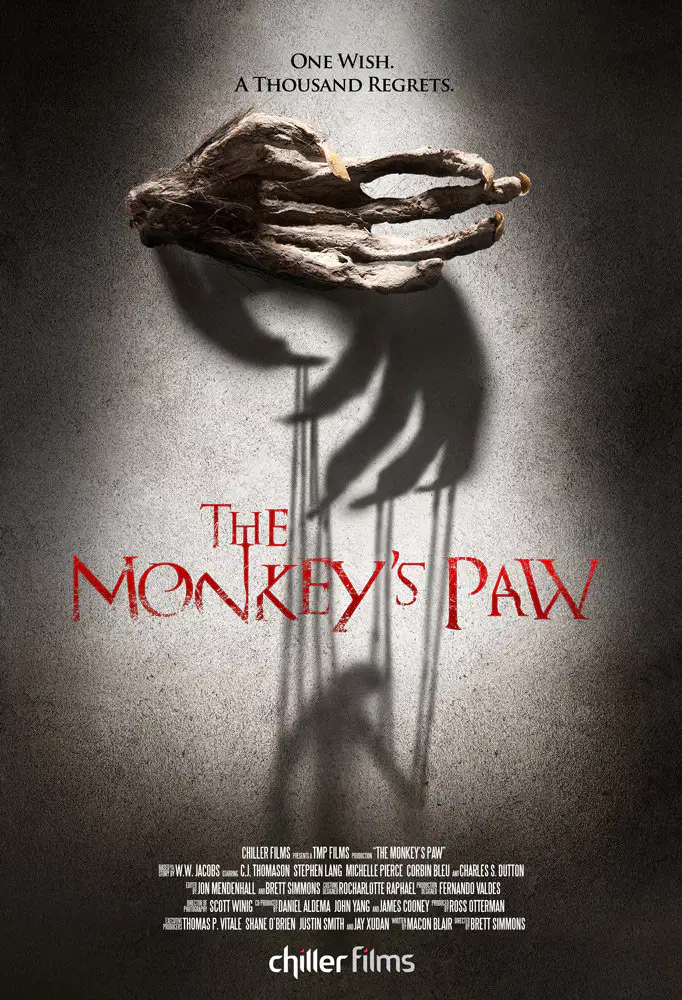
Which of the following is NOT a theme of “The Monkey's Paw”?
The consequences of tampering with fate.
The unpredictability of life and death.
The dangers of greed and desire.
The power of love to conquer all obstacles.
Family and relationships

Which statement best describes Mister Toussaint’s conflict?
Mister Toussaint loses control of his home when his trashcan takes over.
Mister Toussaint’s smart refrigerator disposes of his groceries and orders new ones.
Mister Toussaint receives a trick product that interferes with all his smart appliances.
Mister Toussaint’s “stupid” toaster fails to connect with the smart appliances in his home.
True or False: Mary Shelley's Frankenstein blends the subgenres of Horror Fiction and Science Fiction.
true
false
The __________________ professor wandered into the wrong lecture hall, oblivious to the puzzled students staring at him.
smug
oppressive
absent-minded
avaricious
spoiled
How does Mister Toussaint’s attitude toward the toaster evolve?
By the end of the story, Mister Toussaint wishes that the toaster were “smart.”
At first, Mister Toussaint thinks the toaster is “stupid,” but then he realizes its value.
Early in the story, Mister Toussaint is sentimental about the toaster, but later he asks the firefighters to take it away.
D) Until Mister Toussaint realizes he can integrate the toaster with his other appliances, he is worried about bringing it home.
The novel depicts the ___________________ realities of poverty and the struggle for survival in urban slums.
oppressive
vindictive
avaricious
dubious
frivolous
Match the following:
verb
sniff
adjective
avaricious
adverb
frantically
noun
pouch
Match the following:
adverb
smugly
adjective
hospitable
verb
clog
noun
beverage

