
Font size
 Worksheets
Interform Quiz - Fly me to the moon
Total questions: 25
Worksheet time: 16mins
The Sun is how many times wider than the Earth?
25x
79x
230x
109x
Who was the first man on the Moon?
Buzz Aldrin
Mike Collins
John Glenn
Neil Armstrong
What does NASA stand for?
National Aeronautics and Space Administration
National Astrology and Space Administration
National Aerospace and Scientific Administration
National Aeronautics and Science Administration
What is the name of the telescope that replaced the Hubble?
James Webb Space Telescope
John L Lubbert Space Telescope
Mary R Williams Space Telescope
Giovanni Sander Space Telescope
Which of these planets are gas giants?
Neptune
Venus
Uranus
Mercury

Who became the first person to journey into outer space traveling aboard Vostok 1 in April of 1961?
John Glenn
Alan Shepard
Neil Armstrong
Yuri Gagarin

How long does it take for the Earth to orbit the Sun?
350 days
365 days
24 days
200 days

What is the name of the first satellite sent into space?
Sputnik
Potato
Spuddy
Bob

What is the name of the artificial satellite that orbits the Earth?
The International Space Station
The World's Space Station
Super Dooper Rocket Space Station
The Cool Station

What do we call deep holes in the moon?
Boulders
Craters
Pits
Spots

Shooting stars are actually what?
Planets
Satellites
Comets
Meteors
Name the planets in order starting with the closest to the sun
Mercury, Venus, Mars, Jupiter, Saturn, Uranus, Neptune, Earth
Mercury, Earth, Mars, Venus, Jupiter, Neptune, Saturn, Uranus
Mercury, Venus, Earth, Mars, Jupiter, Saturn, Uranus, Neptune.
Earth, Mars, Jupiter, Mercury, Venus, Saturn, Uranus, Neptune.

What is the smallest planet?
Earth
Venus
Mercury
Mars
What is the largest planet?
Saturn
Jupiter
Uranus
Neptune
Saturn has the most moons out of all the planet in our solar system. How many are there?
63
27
51
82


Who is the founder of SpaceX?
Iron Man
Elon Musk
The Head of NASA
The People's Republic of China

Which statement is INCORRECT?
During summer in the UK the North Pole it tilted towards the Sun.
During summer the Earth is closer to the Sun
The Sun’s rays are more concentrated in the summer.
In winter the nights are longer.
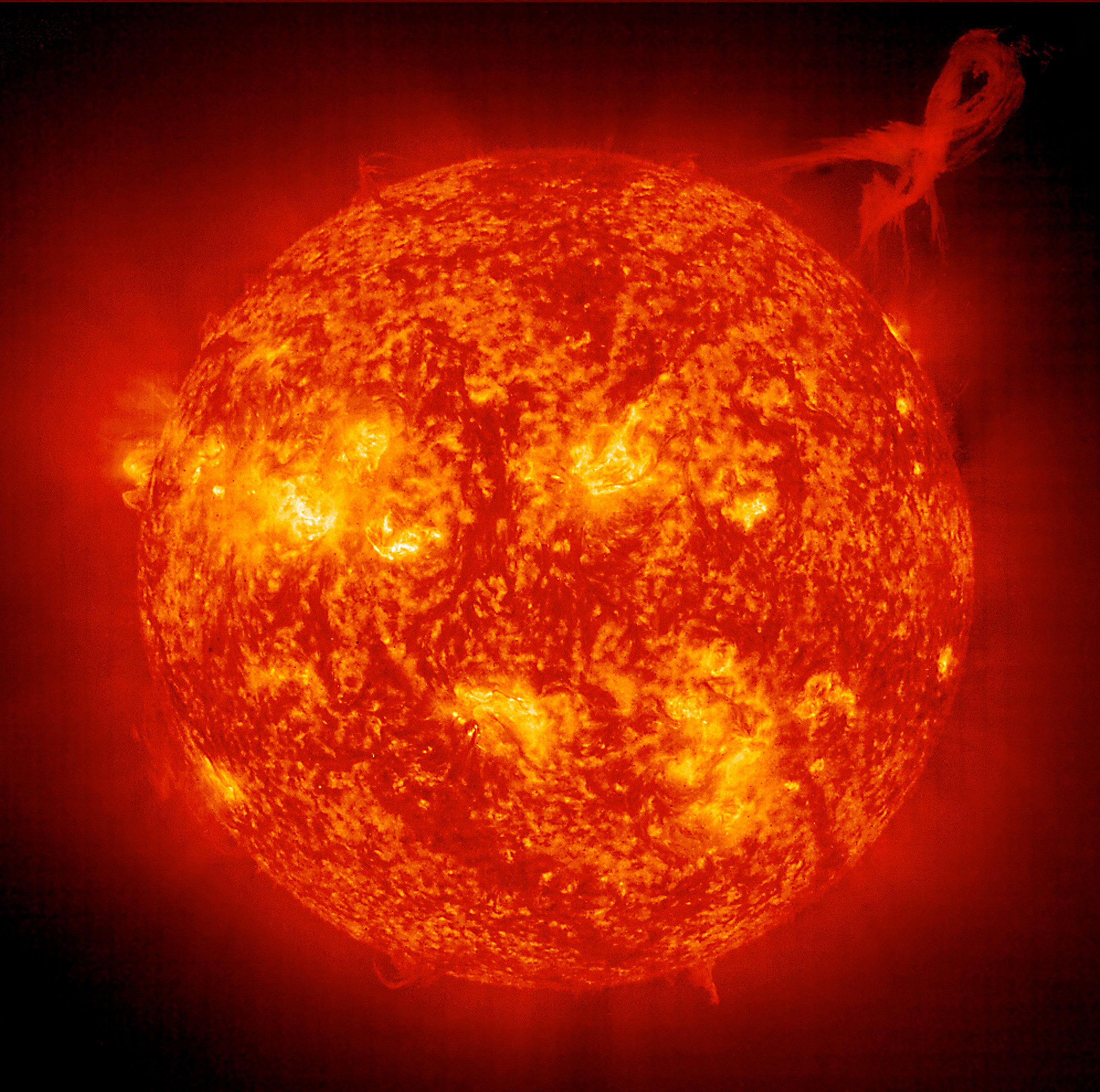

What Galaxy is Earth located?
Andromeda
Milky Way
Sagittarius
Snickers

