
 Worksheets
7.5 Employment and Paystub Statistics Quiz
Total questions: 34
Worksheet time: 17mins
Approximately how many Americans say their paystub is hard to read?
0
60 million
Just the ones who didn't take this Financial Lit course!
How many US workers have experienced paycheck errors according to the survey?
none
82 million
10 billion
What will students demonstrate an understanding of according to the objectives?
The history of paychecks
The terms associated with a paycheck
How to write a paycheck
The benefits of direct deposit
What will students understand according to the objectives?
How to increase paycheck amounts
How to negotiate salary
The systematic deductions removed from a paycheck
The process of receiving a bonus
What percentage of an individual's paycheck is typically deducted for taxes?
0%
31%
100%
Why is it important to understand systematic deductions from a paycheck?
To increase your paycheck
To avoid paying taxes
Because taxes are the largest expense for most individuals
To receive a tax refund
How does the U.S. tax system operate in terms of payment?
Taxes are paid annually
Taxes are paid monthly
Taxes are paid immediately on income earned
Taxes are paid every five years

What form must an employee complete to verify employment eligibility?
Form W-4
Form I-9
Form 1040
Form 1099

What is the purpose of completing a Form W-4?
Employment Eligibility Verification
Employee’s Withholding Allowance Certificate
Tax Return Filing
Health Insurance Enrollment
Which of the following documents can be used to establish identity and employment eligibility for Form I-9?
Library card
Credit card
Driver's license
Gym membership
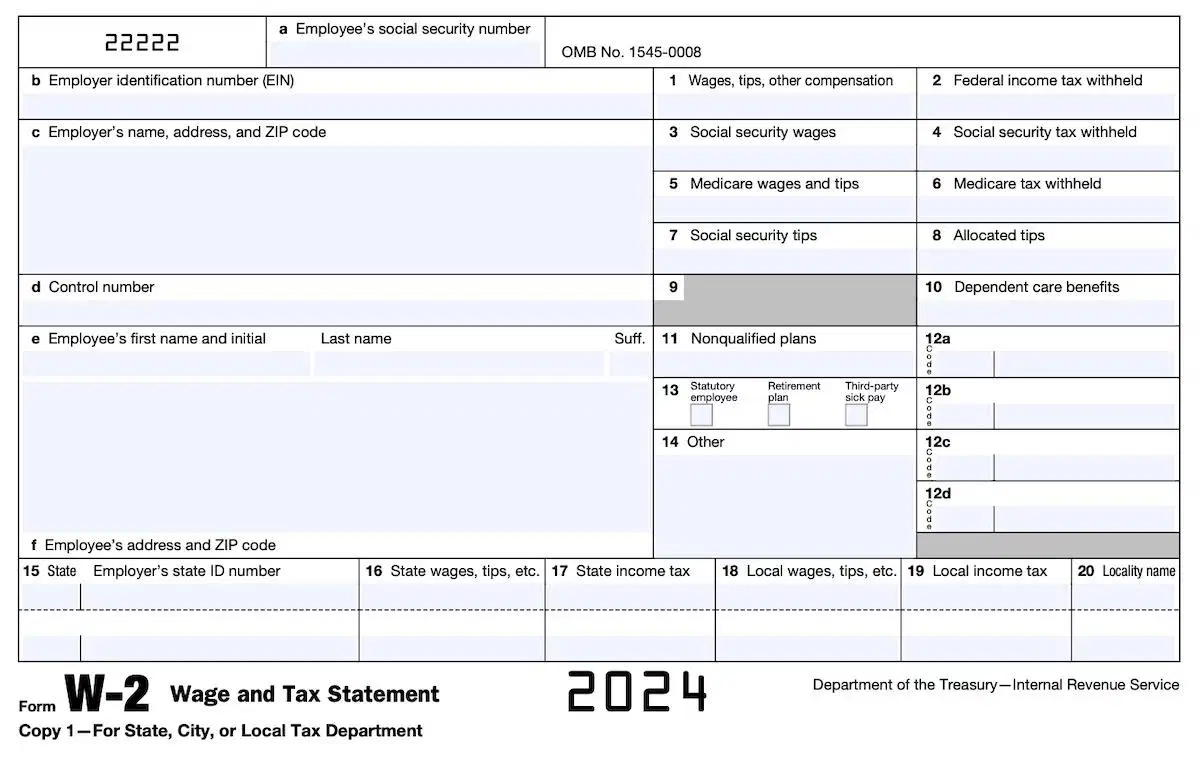
What is the primary purpose of Form W-2?
To apply for a job
To file income taxes
To open a bank account
To register to vote
By what date should an employer mail a Form W-2 to each employee?
December 31
January 31
February 28
March 15
What information does Form W-2 provide?
Employee's health records
Amount of money earned and taxes paid
Employee's educational background
List of job responsibilities
What can employees immediately see on their paycheck?
Tax returns
Payroll stub and deductions
Bank balance
Investment portfolio
What is one advantage of direct deposit for employees?
They receive a paper check.
They have to handle the check directly.
They know exactly when the paycheck will be deposited and available.
They receive cash directly.
Why is direct deposit considered the most secure method of payment?
It involves handling cash.
There is no direct handling of the check.
It requires a signature.
It is mailed to the employee.
What does an employee receive with direct deposit that details paycheck deductions?
A cash envelope
A paycheck stub
A credit card statement
A tax form
What is a payroll card used for?
To electronically carry the balance of an employee's net pay
To store personal identification numbers
To track employee attendance
To manage employee benefits
Who are the parties involved with a payroll card?
Employer, Employee, Financial institution
Employee, Government, Retailer
Employer, Tax agency, Bank
Employee, Insurance company, Retailer
What can a payroll card be used for besides carrying net pay?
ATM withdrawals and purchases
Paying taxes
Applying for loans
Tracking work hours
What are taxes primarily used for?
To fund private businesses
To provide public goods and services
To increase personal savings
To support international trade
Who imposes taxes on citizens?
Only federal governments
Only local governments
Local, state, and federal governments
Only state governments
What is a characteristic of progressive taxes?
They take a larger percentage of income from low-income taxpayers.
They take a larger percentage of income from high-income taxpayers.
They remain the same regardless of income.
They decrease as income increases.
Which of the following is an example of a regressive tax?
Federal income tax
State income tax
Medicare tax
Luxury tax
How do regressive taxes affect higher income taxpayers?
They are charged more proportionally.
They are charged less proportionally.
They are charged the same proportionally.
They are not charged at all.
What is the primary role of the Internal Revenue Service (IRS)?
Collects federal taxes, issues regulations, and enforces tax laws
Manages state budgets and expenditures
Oversees international trade agreements
Regulates the stock market
What is a paycheck stub?
A document that outlines paycheck deductions each pay period
A document that shows your annual salary
A document that lists your job responsibilities
A document that provides your employment history
What information is typically included in the personal information section of a pay stub?
Employee's full name and address
Employee's favorite color
Employee's job title
Employee's work schedule
Why is it important to check the personal information on a pay stub?
To ensure the employee's salary is correct
To ensure the information is correct
To verify the employee's work hours
To confirm the employee's tax bracket
What is a pay period?
The time frame for calculating employee wages
The day employees receive their paycheck
The total amount of deductions from a paycheck
The annual salary of an employee
How often can pay periods occur?
Daily
Weekly, bi-weekly, twice a month, or monthly
Annually
Every two years
Why is the last day of the pay period not always payday?
To allow time for employee vacations
To allow a business to accurately compute wages
To ensure employees receive bonuses
To adjust for holidays
What is Gross Pay?
The total amount of money earned during a pay period before deductions
The amount of money after taxes
The net salary received
The total deductions from a paycheck
How is Gross Pay calculated for an hourly worker?
By multiplying the number of hours worked by the hourly rate
By adding all deductions to the net pay
By dividing the total salary by the number of weeks
By subtracting taxes from the net pay

