
Font size
 Worksheets
YEAR 7 KS3 BIOLOGY REVISION
Total questions: 38
Worksheet time: 33mins
The nucleus is considered the __________
control center of the cell
powerhouse of the cell
storage for the cell
transporter of material in the cell
The nucleus is considered the __________
control center of the cell
powerhouse of the cell
storage for the cell
transporter of material in the cell
What is the function of the cell membrane?
gives the cell its shape
produces proteins within the cell
allows water and nutrient to enter and leave the cell
contains the plant's DNA

This is the brain or control center of the cell.
Cytoplasm
Nucleus
Cell membrane
This type of cell needs a cell wall and chloroplasts
Animal Cell
Plant Cell
This is the brain or control center of the cell.
Cytoplasm
Nucleus
Cell membrane
Which organelle belongs in plant cells only?
Cytoplasm
Mitochondrion
Large Permanent Vacuole
Cell Membrane

Thick gel-like fluid inside of the cell
Chloroplast
Cytoplasm
Mitochondria
Golgi Bodies

Which characteristic is shown in the image?
Organisms reproduce
Organisms react to stimuli
Organisms use and obtain energy
Organisms are made up of cells

Which characteristic is shown in the image?
Organisms grow and develop
Organisms react to stimuli
Organisms can adapt
Organisms use and obtain energy

What is the correct order of organization?
cells->tissue->organs->organ systems-> organism
tissue->cells->organs->organ systems-> organism
organs->organ systems-> organism->cells->tissue
What is a host?
An organism that eats another organism
An organism or a cell that the virus needs to reproduce in
Something that causes harm to the cell
The person that greats you at a resturant
How do you prevent getting a virus?
By opening game downloads
By downloading anti virus software
By using lots of data
By getting the newest games
What reason do scientists give for saying that viruses are not living organisms?
they cannot reproduce without the aid of a host
they do not metabolize food into energy
they do not have organized cells
all of the above
none of the above

Leaf S
Eastern white pine
balsam poplar
sweet gum
ginko
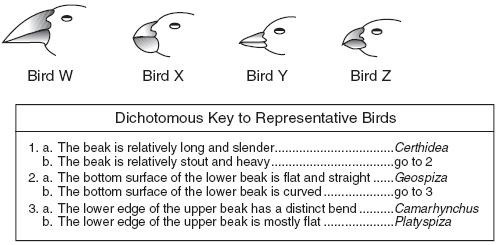

Students collected leaf samples. The students used the leaf identification key below to identify a leaf sample.
Based on the identification key, which type of tree is this sample from?
Ginkgo
Honey locust
Horse Chestnut
Black Maple
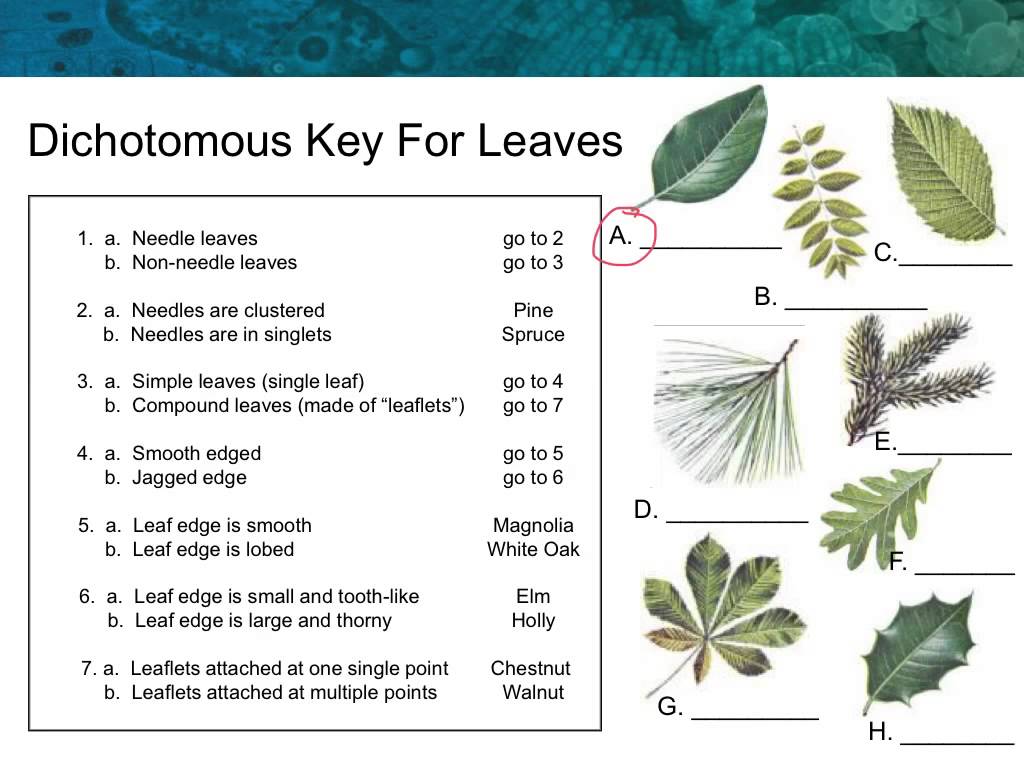
What is a dichotomous key used for in science?
To organize biomes
Classify organisms
Identify bacteria only
None of these

A
B
C
D

What is the name of this specialised cell and where is it found
A root hair cell, in the root
A palisade cell in the bottom of a leaf.
A palisade cell at the top of a leaf.
In the middle of a plant stem.

Name this specialised cell.
Palisade cell
Guard cell
Root hair cell
Epithelial cell
Which type of cells are responsible for photosynthesis in plants?
Chloroplasts
Vacuoles
Nucleus
Mitochondria
Which type of cells transmit electrical signals in the body?
Neurons
Red blood cells
Muscle cells
Skin cells
How are root hair cells adapted to perform their function? You may choose more than 1 option.
no cross walls
long and narrow extension
no protoplasm
contain lignin
contain many mitochondria
How are red blood cells adapted to perform their function? You may choose more than 1 option.
biconcave shape
long and narrow extension
no protoplasm
no nucleus
contain haemoglobin
What is the function of root hair cells?
absorb water and mineral salts
transport water and mineral salts
transport oxygen
provide mechanical support
What is the function of red blood cell?
Transport nutrients
Transport oxygen
What makes blood cells appear red?
They contain red dye
They contain red pigment (haemoglobin)
They reflect red light
All of the above

