
 Worksheets
Covalent Quiz
Total questions: 60
Worksheet time: 3hrs 27mins

What makes an atom "happy"?
Forming a bond
Giving or taking electrons
Sharing electrons
Having a complete outer shell
How do covalent bonds help atoms achieve a full outer shell?
Electrons are transferred between atoms until both have full outer shells
The atoms share electrons in order to get a full outer shell
Covalent bonding turns the atoms into ions
It helps the electrons jump to higher energy levels

What kind of bond is shown in the picture?
A single covalent bond
A double covalent bond
A triple covalent bond
An ionic bond
How many electrons are shared in the bond above?
1
2
3
4

What kind of bond is shown in the picture?
A single covalent bond
A double covalent bond
A triple covalent bond
An ionic bond

How many electrons are shared in the bond above?
1
2
3
4

What classes of elements can participate in a covalent bond? Check all that apply
Metals
Nonmetals
Metalloids
Noble gases
Other than Hydrogen, how many electrons do atoms need in order to have a full outer shell?
2
4
6
8

Which of the following is the proper Lewis Structure for Carbon Tetrahydride?
A
B
C
D
What is it called if there are three-pairs of electrons being shared?
Triple Bond
Three Single Bonds
Tribond
Double and Single Bond Combo

Is this correct way to draw the Lewis Dot Structure for Carbon?
Yes
No, too many electrons
No, not enough electrons
No, dots are in wrong places
USE THE PERIODIC TABLE
How many valence electrons does Phosphorus have?
31
5
15
4
Atomic number tells us the number of
protons
neutrons
protons & neutrons

Based on VALENCE ELECTRONS, this could represent the outer ring of:
Mg
Cl
C
O
The halogens have
1 valence electron
2 valence electrons
7 valence electrons
8 valence electrons
Electrons on the outermost shell that are involved in bonding and reactions are known as:
Ground state electrons
Electromagnetic electrons
Valence electrons
This type of bond happens when electrons are shared EQUALLY between the two bonded atoms.
Polar covalent
Nonpolar covalent
Ionic


This is the displayed formula for what covalent compound?
Water
Hydrogen peroxide
Hydrogen oxide
Ethanol

Chlorine is a diatomic element which means in nature, it is found in two's. (Cl2) Chlorine shares one pair of electrons to make sure each atom complete the octet rule. This creates a...
single bond
double bond
triple bond
Oxygen is a diatomic element which means in nature, it is found in two's. (O2) Oxygen shares two pairs of electrons to make sure each atom completes the octet rule. This creates a...
single bond
double bond
triple bond
Nitrogen is a diatomic element which means in nature, it is found in two's. (N2) Nitrogen shares three pairs of electrons to make sure each atom completes the octet rule. This creates a...
single bond
double bond
triple bond

How many covalent bonds are created in a single water molecule?
0
1
2
3
4
How many covalent bonds are created in a single ammonia molecule?
0
1
2
3
4
How many pairs of valence electrons are being shared in a single water molecule?
0 pair - 0 valence electrons
1 pair - 2 valence electrons
2 pair - 4 valence electrons
3 pair - 6 valence electrons
How many pairs of valence electrons are being shared in a single ammonia molecule?
0 pair - 0 valence electrons
1 pair - 2 valence electrons
2 pair - 4 valence electrons
3 pair - 6 valence electrons

When assigning the number of individual atoms in a chemical formula it is written as a...
superscript
subscript
coefficient
script
How many total atoms are in the ionic compound Ca(NO3)2 (Calcium nitrate)?
3
5
6
9
10
How many total atoms are in the covalent compound C4H10 (Butane)?
6
8
10
12
14
NaBr
H2O

Single bonds are formed when ____ pair(s) of valence electrons are shared.
one
three
two
four
Anions
Gain electrons, has an overall positive charge
Lose electrons, has an overall positive charge
Lose electrons, has an overall negative charge
Gain electrons, has an overall negative charge
Which of the following is NOT an ionic compound:
NaCl
Cl2
CaF2
KOH
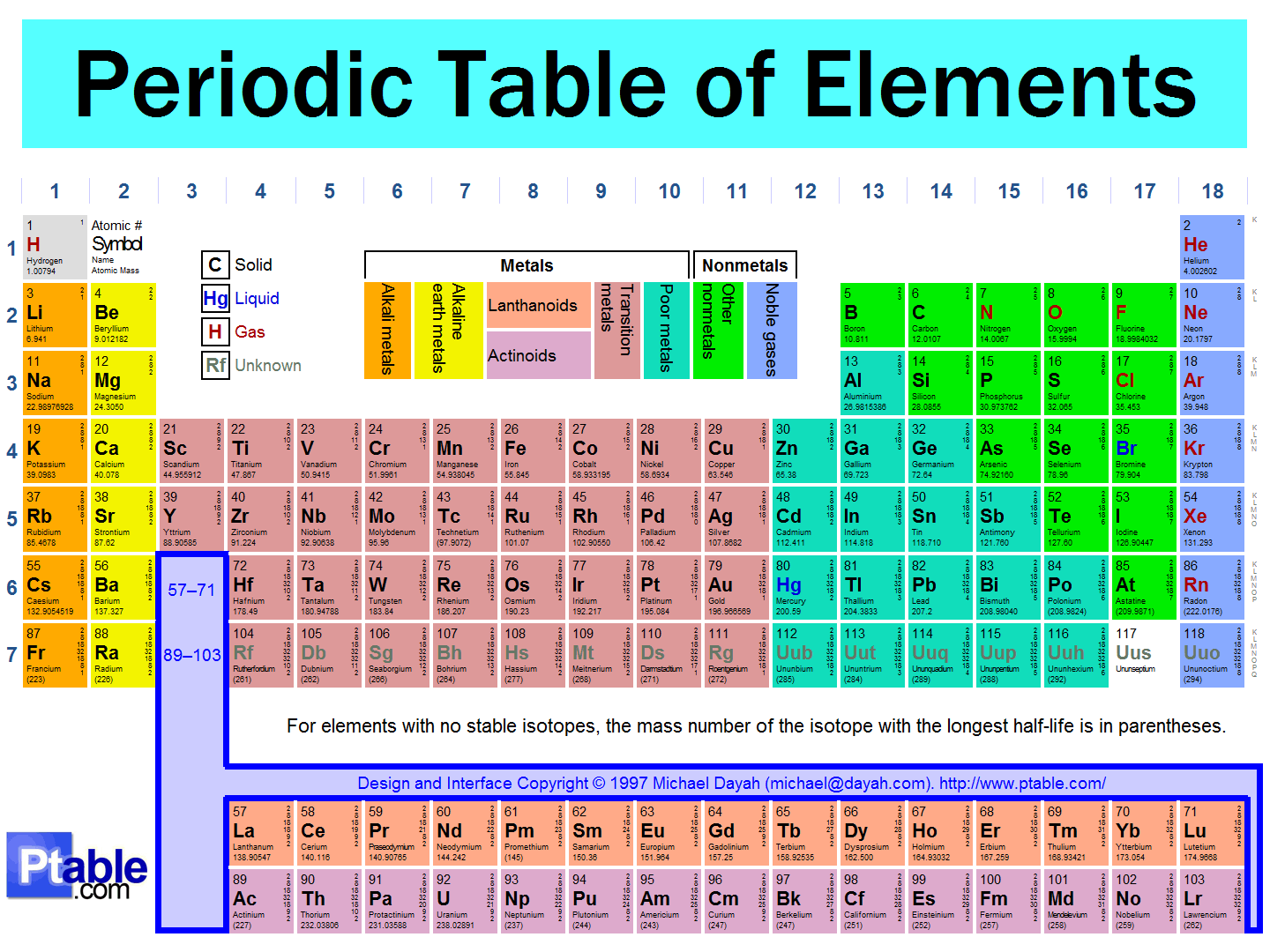

Which element is in period 1 group 18?
Helium
Hydrogen
Neon
Lead

Which element is in period 4 family 11
Mercuy
Copper
Silver
Gold
Match the following elements with the correct number of valence electrons.
Ar
8
I
7
O
6
N
5
Si
4


The chemical bond between a non-metal and another non-metal will be a ________ bond.
metal
ionic
covalent
polar
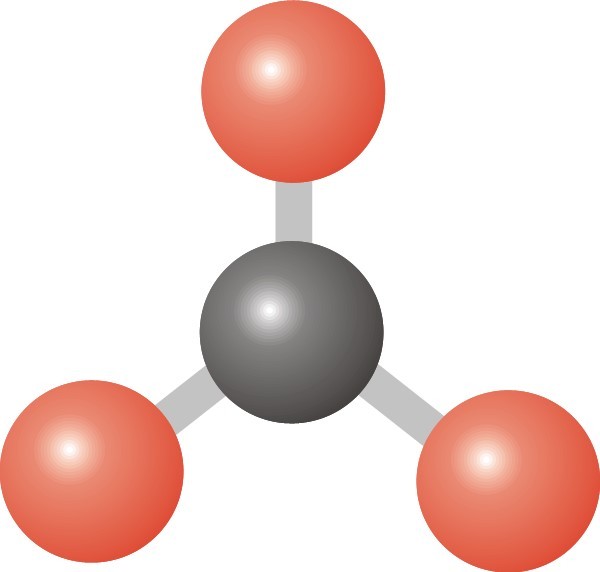
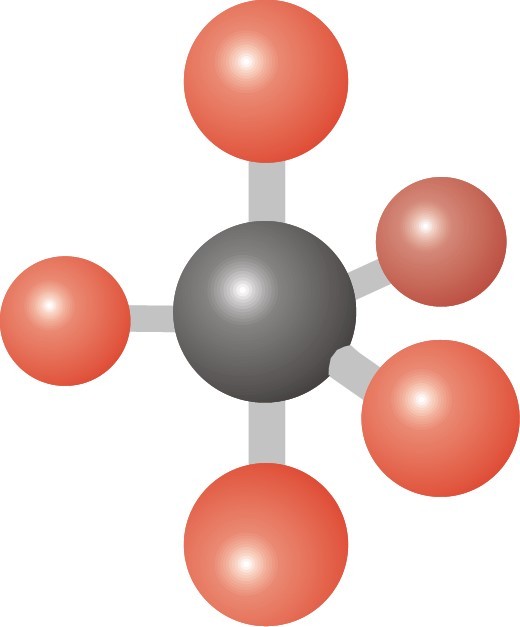
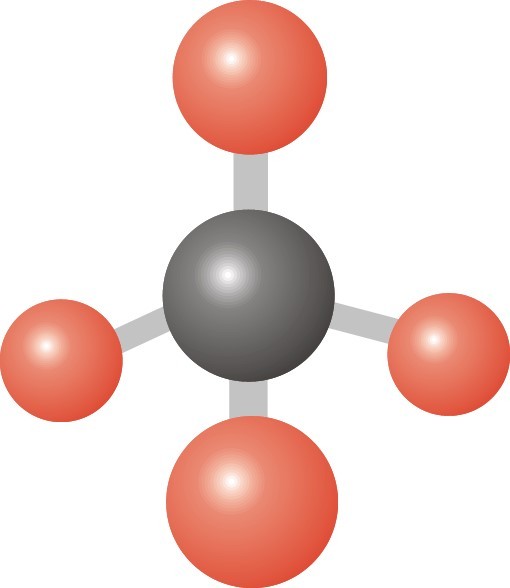
Which is the correct molecular structure for carbon dioxide CO2?


Pictures correspond with a-d.

Name for PBr2
phosphorus bromide
phosphorus dibromide
phosphorus dibromine
phosphorus bromine
Name for CO
carbon monoxide
carbon oxide
monocarbon oxide
carbide monoxide

