
 Worksheets
Unit 2 Ch 3 Reform Movements
Total questions: 26
Worksheet time: 13mins
People that expose (find) issues are called:
Trouble Makers
Snitches
Muckrakers
Slums
Who exposed meat-packing problems in the book, The Jungle?
Jacob Riis
Susan B. Anthony
W.E.B. Dubois
Upton Sinclair

Which muckraking journalist took this picture?
Lewis Hine
Woodrow Wilson
Jacob Riis
Theodore Roosevelt
Who was responsible for informing the public of the appalling working conditions of meat packing plants with the book "The Jungle?"
Theodore Roosevelt
Upton Sinclair
Jacob Riis
Ida Tarbell
Who wrote The History of Standard Oil, a book which describes how John D. Rockefeller used ruthless business practices in the oil industry?
Ida Tarbell
Jane Addams
Jacob Riis
Lincoln Steffens
What book did Jacob Riis publish?
How the Other Half Lives
The Jungle
The Shame of the Cities
Southern Horrors
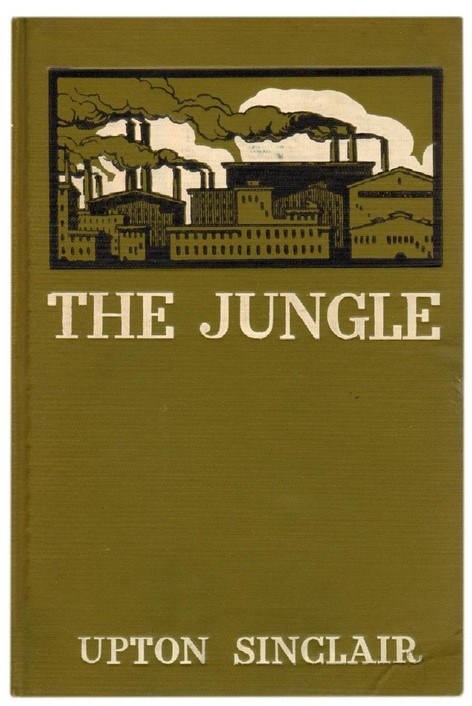
What government change occurred because of The Jungle?
17th Amendment
Sherman Antitrust Act
Interstate Commerce Act
Meat Inspection Act of 1906
Both the Sherman Antitrust Act and the Clayton Antitrust Act sought to do what?
Break up monopolies
Reform tax codes
Outlaw regulation of business by the government
Outlaw discrimination based on race
What did the 17th amendment do?
Gave the president the power to tax schools
Made monopolies illegal
Allowed people to vote for senators
Who was Thomas Nast?
A Progressive reformer
A political boss in New York
A cartoonist who criticized corrupt politicians
A journalist who exposed corruption
Trust =
Fair competition
Monopoly
Low prices and high quality
This was designed to prevent companies from engaging in unfair practices that eliminated competition.
Sherman Anti-Trust Act
Interstate Commerce Act
Labor Unions
Monopoly

What law was first passed to address monopoly power?
Sherman Antitrust Act
Clayton Antitrust Act
Pinkerton Antitrust Act
Makerpeace Antitrust Act
What was the purpose of the Sherman Antitrust Act of 1890?
Prevented new businesses forming
Broke up largest monopolies immediately
Take down monopolies, though it had little effect in the beginning
Went after small businesses
This 1914 legislation aimed to strengthen the Sherman Antitrust Act by clearing up confusions and closing loopholes.
The Keating-Owen Act regulated ___________.
farm loans
price discrimination
child labor
railroad workdays
Teddy Roosevelt was known as a "trust-buster." What does that mean?
He worked to break up small businesses
He worked with big monopolies to make them stronger
He worked to break up large monopolies
He let the companies operate without any government interference
What does the term gilded mean?
Full of riches and opportunities
Gaining new land
Covered in a thin layer of gold
Made of solid gold

What were political machines and their role in local politics?
Political machines were organizations that promoted honesty in politics.
Political machines were corrupt groups that opposed immigration.
Political machines were efficient political parties that eliminated corruption.
Political machines were corrupt organizations that controlled local politics.
a gap or deficiency in a law that enables individuals and organizations to evade the law’s stated purpose
expose
lawsuit
loophole
progressive
socialist
moving toward new ideas, policies, or opportunities
expose
lawsuit
loophole
progressive
socialist
a person who supports an economic system in which major industries are owned by the government rather than by private businesses
expose
lawsuit
loophole
progressive
socialist
a process in which the courts decide a disagreement or enforce a right
expose
lawsuit
loophole
progressive
socialist
a written account that reveals the often scandalous findings of an investigation
expose
lawsuit
loophole
progressive
socialist

