
 Worksheets
Grade 4 Science Quiz Semester 1
Total questions: 60
Worksheet time: 30mins
Which state of matter has particles tightly packed together?
Solid
Liquid
Gas
Plasma
What happens when water freezes?
It turns into gas
It turns into a solid
It evaporates
It condenses
Which process describes water turning into vapor?
Melting
Freezing
Evaporation
Condensation
When ice melts, it turns into:
Gas
Liquid
Solid
Vapor
What happens to a liquid when heated to boiling point?
It condenses
It evaporates
It freezes
It remains the same
What is the name of the process where water vapor turns back into liquid?
Melting
Condensation
Freezing
Evaporation
Which tool would you use to measure how long it takes ice to melt?
Ruler
Thermometer
Stopwatch
Balance scale
What is the state of matter of steam?
Solid
Liquid
Gas
Plasma
Which process removes salt from seawater?
Freezing
Evaporation
Filtration
Condensation
Which state of matter can be compressed easily?
Solid
Liquid
Gas
All of the above
What is a habitat?
A place where animals live and thrive
A place for humans to play
A dangerous environment
An unnatural environment
Which tool would help you study pond life?
Pooter
Pond net
Microscope
Ruler
What is an example of water pollution?
Plastic in oceans
Clean drinking water
Recycling plants
Fresh lakes
Fossil fuels are a major cause of:
Clean energy
Air pollution
Wildlife preservation
None of the above
Which is a renewable energy source?
Coal
Wind
Oil
Natural gas
What causes a tsunami?
Strong winds
Earthquake under the sea
Volcanic eruption on land
River flooding
How can you prepare for an earthquake?
Run outside
Take cover under sturdy furniture
Stand near windows
Ignore safety measures
What is an effect of air pollution?
Cleaner environment
Health issues
Improved water quality
None of the above
What is lava?
Solidified water
Magma that reaches the Earth's surface
Liquid metal
Rock dust
What should you do during a tsunami warning?
Stay in low-lying areas
Move to higher ground
Swim in the ocean
Ignore the warning
What is the role of teeth in digestion?
Break down food into smaller pieces
Absorb nutrients
Produce saliva
Digest carbohydrates
Which nutrient is most important for building muscles?
Protein
Fats
Carbohydrates
Minerals
Which food is a good source of calcium?
Bread
Milk
Fish
Meat
What is a food chain?
A network of highways
A sequence showing how energy is passed between organisms
A chain of food storage boxes
None of the above
Which of these is a carnivore?
Lion
Cow
Rabbit
Deer
What happens to food in the stomach?
It is chewed again
It is absorbed directly into the bloodstream
It is mixed with stomach acid to break it down
It is eliminated from the body
What is the primary source of energy in food chains?
Sunlight
Water
Soil
Air
What type of animal eats both plants and animals?
Herbivore
Omnivore
Carnivore
Producer
Why are fruits considered healthy?
They are high in fats
They contain natural sugars and vitamins
They are low in water
They provide no energy
What happens to food in the small intestine?
It is stored for later use
Nutrients are absorbed into the bloodstream
It is chewed again
It is excreted
Which state of matter flows but has a definite volume?
Solid
Liquid
Gas
Plasma
How does freezing water affect its volume?
It increases
It decreases
It remains the same
It depends on the container
What is the best way to conserve energy?
Use fossil fuels
Turn off lights when not in use
Drive more cars
Burn more coal
What happens to animals if their habitat is destroyed?
They find a new one immediately
They face challenges to survive
They adapt instantly
None of the above
Which layer of Earth contains magma?
Crust
Mantle
Core
Atmosphere
Which tool would you use to study small organisms?
Microscope
Pond net
Compass
Stopwatch
How does air pollution affect plants?
It helps them grow faster
It reduces their ability to photosynthesize
It has no impact
It increases seed production
What is condensation?
Solid turning into gas
Gas turning into liquid
Liquid turning into gas
Solid turning into liquid
Which part of a food chain captures energy from the sun?
Producers
Consumers
Decomposers
Herbivores
What is the best way to protect yourself from a volcanic eruption?
Wear protective gear
Stay close to the volcano
Ignore warnings
Move towards lava flows
What is the process called when liquid water turns into vapor?
Evaporation
Melting
Condensation
Freezing
Which of the following is a primary producer in an ecosystem?
Fungi
Grass
Rabbit
Fox
What is the main function of the large intestine in digestion?
Produce enzymes
Store waste
Absorb nutrients
Break down food
What is the process called when a solid turns into a liquid?
Melting
Freezing
Evaporation
Condensation
Which state of matter has no definite shape and no definite volume?
Plasma
Solid
Liquid
Gas
What is the main purpose of the respiratory system?
To exchange gases
To circulate blood
To produce hormones
To digest food
If you put something in a container, how would you tell if it was a liquid?
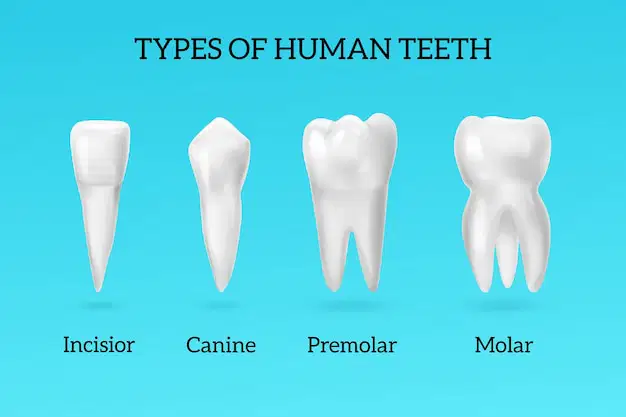
What is the role of the molars?
To cut food into small pieces.
To grind and chew food.
To crush food.
To rip and tear food.
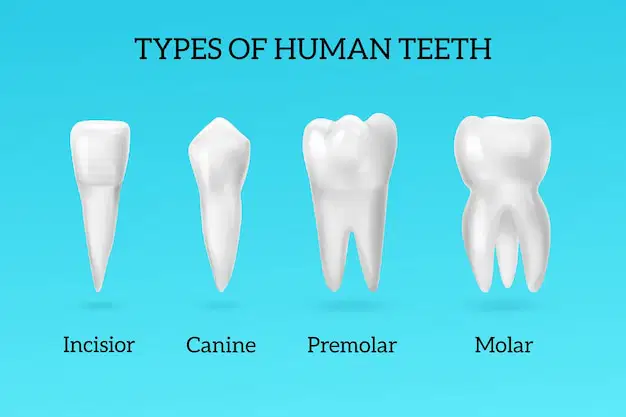
What is the role of the canines?
To cut food into small pieces.
To grind and chew food.
To crush food.
To rip and tear food.

What is the role of the incisisors?
To cut food into small pieces.
To grind and chew food.
To crush food.
To rip and tear food.
What is 'precipitation'?
Which of these are examples of precipitation?
Rain
Sand
Snow
Hail
Wind
What is a 'variable' in science?
What is a vertebrate?
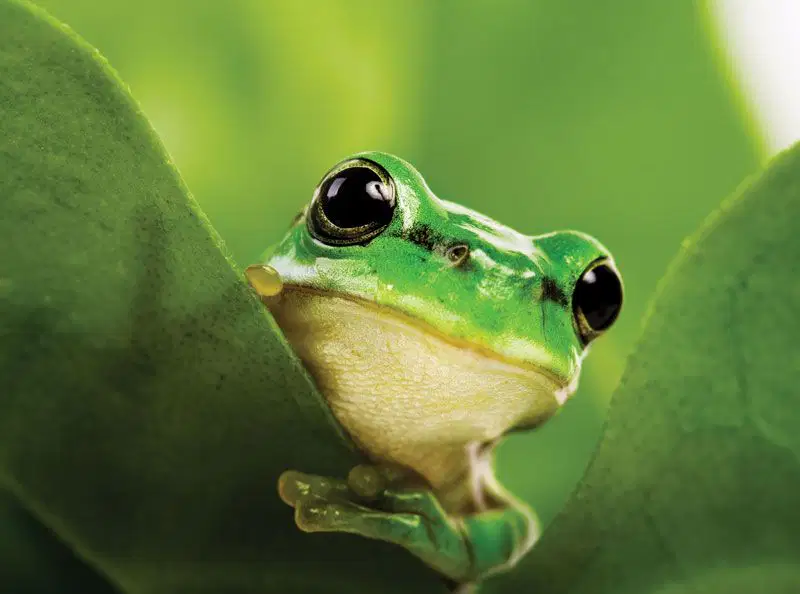
What class does this animal belong to?
Amphibians
Birds
Mammals
Reptiles
Fish
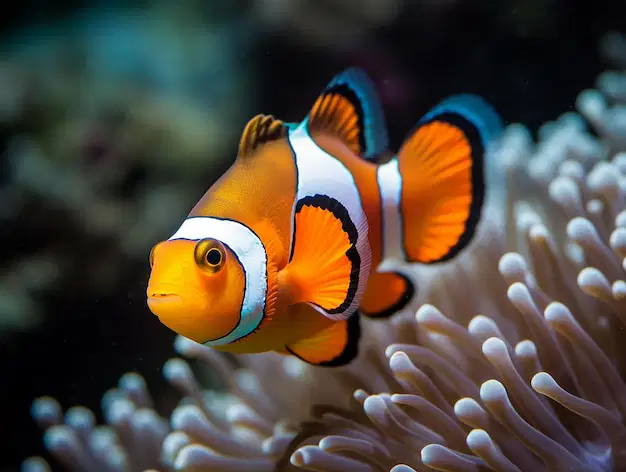
What class does this animal belong to?
Amphibians
Birds
Mammals
Reptiles
Fish
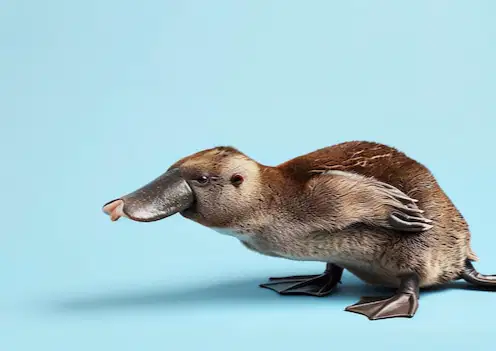
What class does this animal belong to?
Amphibians
Birds
Mammals
Reptiles
Fish

What class does this animal belong to?
Amphibians
Birds
Mammals
Reptiles
Fish
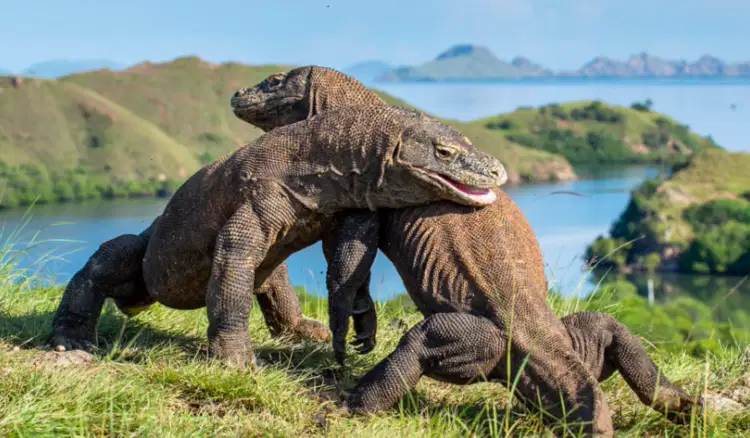
What class does this animal belong to?
Amphibians
Birds
Mammals
Reptiles
Fish
How can we reduce air pollution?

