
 Worksheets
Get in our shoes
Total questions: 18
Worksheet time: 8mins

1) When are you
considered a child?
Until the age of 10
Until the age of 18
Until the age of 21
Until the age of 15

2) Why do children need to know their rights?
To be protected and respected
To make all of their wishes come true
So that they can decide for themselves
Because children are worth more than adults

3) All children have the right...
to play
to eat healthy food
to rest and relaxation
to all the above

4) Children who do not comply with the rules...
lose their rights
don't lose their rights
are not protected from the Convention on the Rights of the Child
are imprisoned - in detention

5) Who benefits from the rights of the child?
every child living in poverty
every child under 10 living in a war zone
every child, wherever they live
every child under 18 living in countries affected by natural disasters

6) What is restorative justice?
It is a programme to abolish prisons
It is a reintegration programme for offenders
It is a new idea of justice based on restoration
It is a therapy process for victims

7) Can children participate in restorative processes?
Only if the parents speak for them
Only when they are victims
In general yes, if they wish so
Only when they are above the age of 16

8) Who are the main parties in a restorative process?
Victim & lawyer
Offender & prosecutor
Police & victim
Victim & offender

9) You can talk to a lawyer ...
only before a restorative meeting
only after a restorative meeting
only during a restorative meeting
at all stages
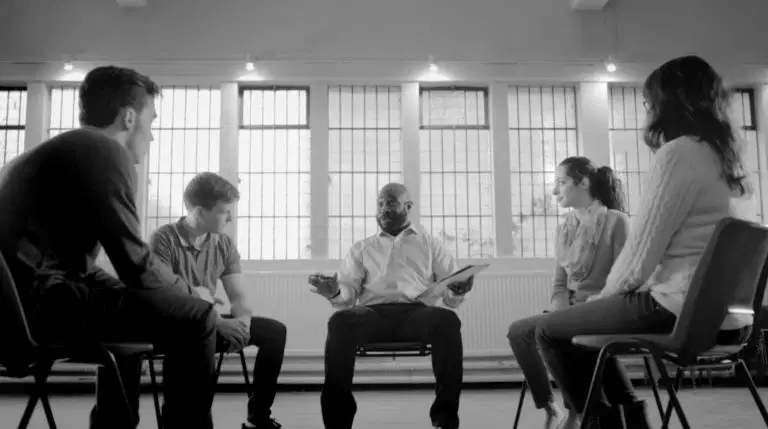
10) A restorative justice process...
finds which rules have been broken and sets a punishment
uses fear and punishment as a “deterrent" to harm and crime
does not meet the needs of the person(s) harmed
gives the person(s) who caused the harm the opportunity to take responsibility

11) What is the key difference between criminal justice and restorative justice?
Criminal justice focuses on the harm while restorative justice on the offender
The restorative process necessarily takes place at the victim's place
Criminal justice focuses on punishment while restorative justice focuses on repairing harm
Criminal justice repairs while restorative justice punishes

12) What are principles of restorative justice?
Voluntariness (agreed participation)
Focus on restoration
Dialogue-based process
All of the above

13) The term “restorative justice” was first introduced ...
in the 1970s
in the 1990s
in the middle ages
in 2012

14) What is the role of the facilitator in the context of restorative justice?
To impose penalties on the offender(s)
To provide legal advice to the victim(s)
To facilitate understanding and restoration between offender(s) and victim(s)
To promote going to criminal court to speed up the resolution of the case

15) What of the following is an advantage of the restorative justice system?
Preventing the repetition of crimes
Absolute protection of victims
Increasing the cost of legal proceedings
The penalty is less severe for minors

16) In 1989, the UN enacted a human rights law for children called the “Convention on the Rights of the Child”...
which has not been applied yet in Greece
which must be implemented by all countries that have signed it
which may be modified according to the legislation of a country
which concerns all children up to 15 years old
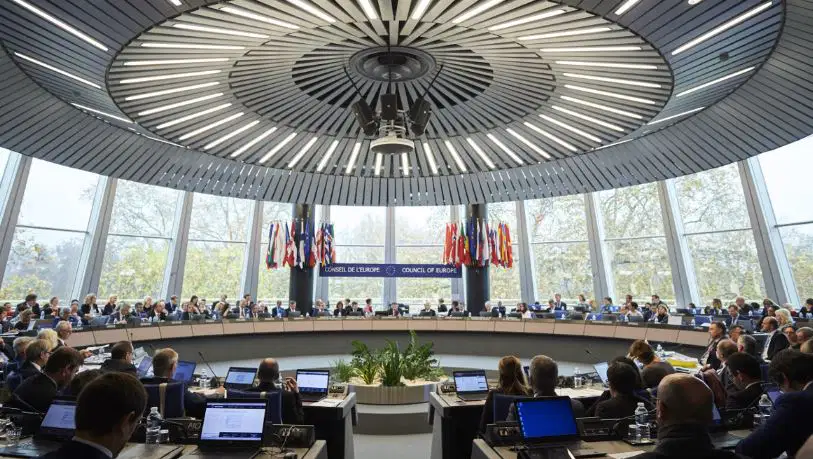
17) In 2018, the Council of Europe made a recommendation on restorative justice that…
recommends restorative justice to be available in all cases
is addressed to all European countries
suggests a whole cultural change in the criminal justice system
All of the above

18) What of the following is a responsibility of the parties in a restorative process?
To communicate respectfully
Each side to defend their position
To ensure that the offender's sentence is reduced
To prove that the other party is wrong

