
 Worksheets
Semester Exam Dec 2024
Total questions: 25
Worksheet time: 1hrs 10mins
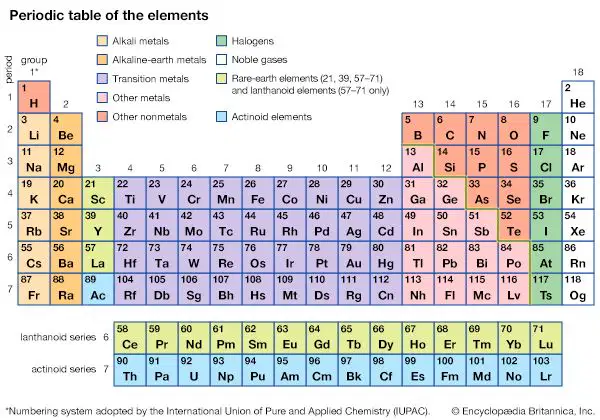
Which of the following elements is a noble gas?
Nitrogen
Argon
Oxygen
Chlorine

Which of the following is a characteristic of metals?
Poor conductors of heat and electricity
Brittle and break easily
Malleable and ductile
Low melting and boiling points
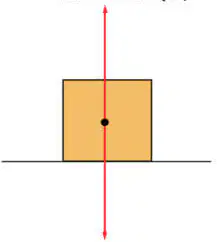
Which of the following forces is acting on an object at rest on a flat surface?
Only gravitational force
Only normal force
Gravitational force and normal force
Gravitational force and frictional force
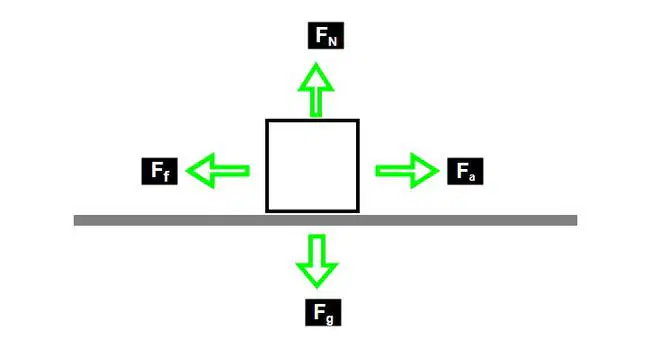
When an object is at rest, the forces acting on it are balanced. Which of the following statements is true?
The net force is greater than zero
The net force is zero
The object is moving with a constant velocity
The object is accelerating
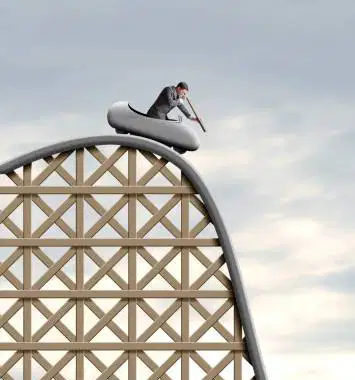
At the highest point of a roller coaster, where the speed is lowest, the energy is mostly:
Kinetic energy
Potential energy
Both kinetic and potential energy are equal
Thermal energy
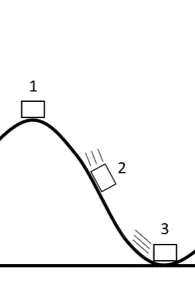
As a roller coaster descends from a high point, what happens to its potential energy and kinetic energy?
Potential energy increases, and kinetic energy decreases
Potential energy decreases, and kinetic energy increases
Both potential and kinetic energy decrease equally
Both potential and kinetic energy increase equally
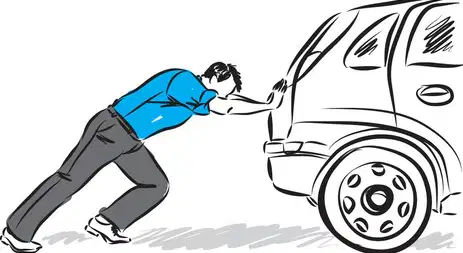
According to Newton's Second Law of Motion, what happens to the acceleration when a force is applied to an object with more mass?
The object will accelerate more.
The object's acceleration will remain the same.
The object will accelerate less.
The object's speed will decrease.
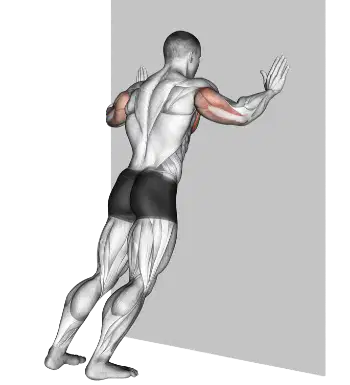
According to Newton's Third Law of Motion, when you push on a wall, the wall pushes back on you with:
A greater force
A smaller force
The same force in the opposite direction
No force at all
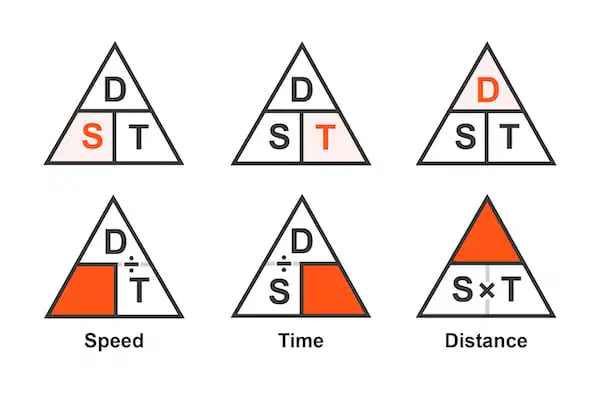
Which of the following equations correctly relates speed, distance, and time?
Speed = Distance × Time
Speed = Distance / Time
Distance = Speed / Time
Distance = Speed + Time

If a car travels 150 kilometers in 3 hours, what is its average speed?
45 km/h
50 km/h
55 km/h
60 km/h

According to Newton's Second Law of Motion, what is the relationship between force, mass, and acceleration?
Force = Mass × Acceleration
Force = Mass / Acceleration
Force = Acceleration / Mass
Force = Mass + Acceleration

If the mass of an object is doubled while the applied force remains constant, what happens to the acceleration of the object?
The acceleration is doubled.
The acceleration is halved.
The acceleration remains the same.
The acceleration becomes zero.
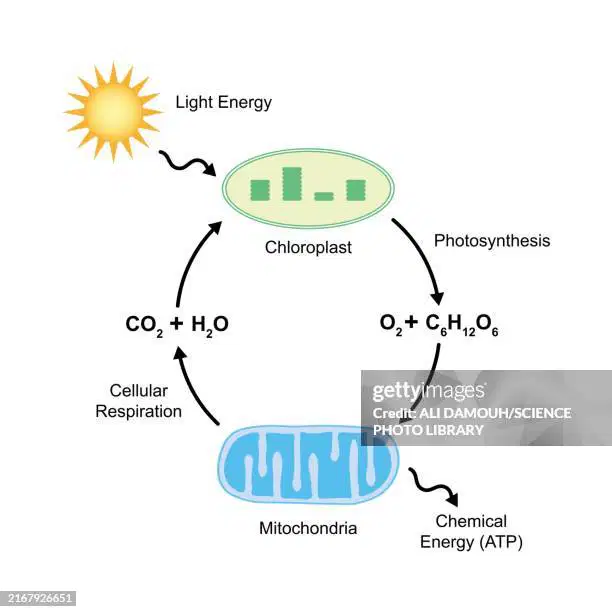
In photosynthesis, plants convert light energy into which type of energy?
Thermal energy
Chemical energy
Electrical energy
Kinetic energy
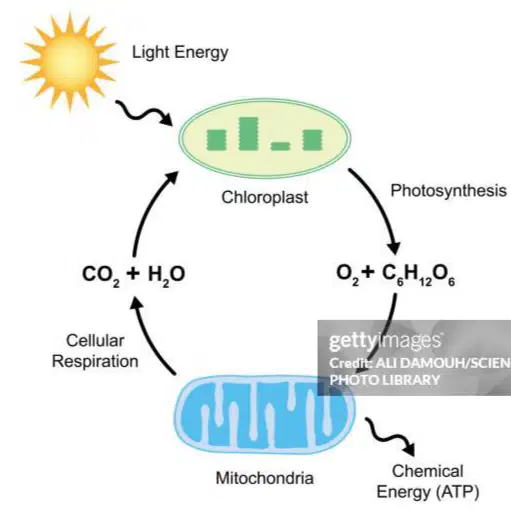
Which of the following best describes the energy transformation that occurs in photosynthesis?
Light energy is transformed into heat energy.
Light energy is transformed into chemical energy stored in glucose.
Chemical energy is transformed into electrical energy.
Kinetic energy is transformed into light energy.
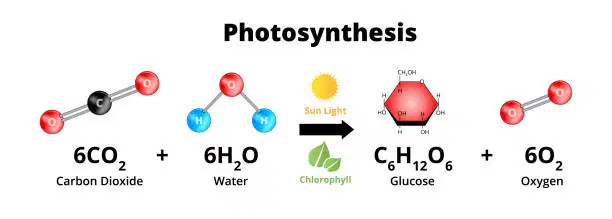
How many oxygen atoms are involved in the process of photosynthesis?
6 atoms
12 atoms
18 atoms
24 atoms
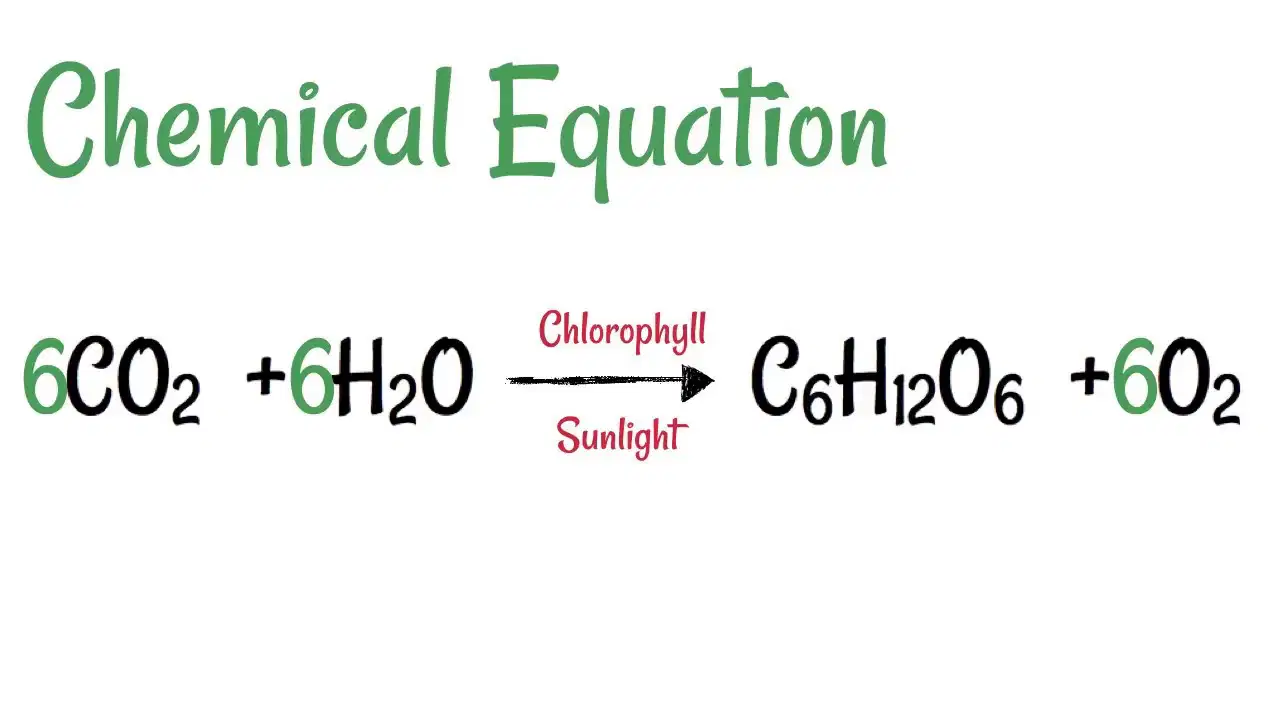
In the chemical equation for photosynthesis, how many carbon atoms are present on the reactant side ?
6 carbon atoms
12 carbon atoms
18 carbon atoms
24 carbon atoms
Which type of stars are found along the diagonal "Main Sequence" on the HR diagram? (Select two)
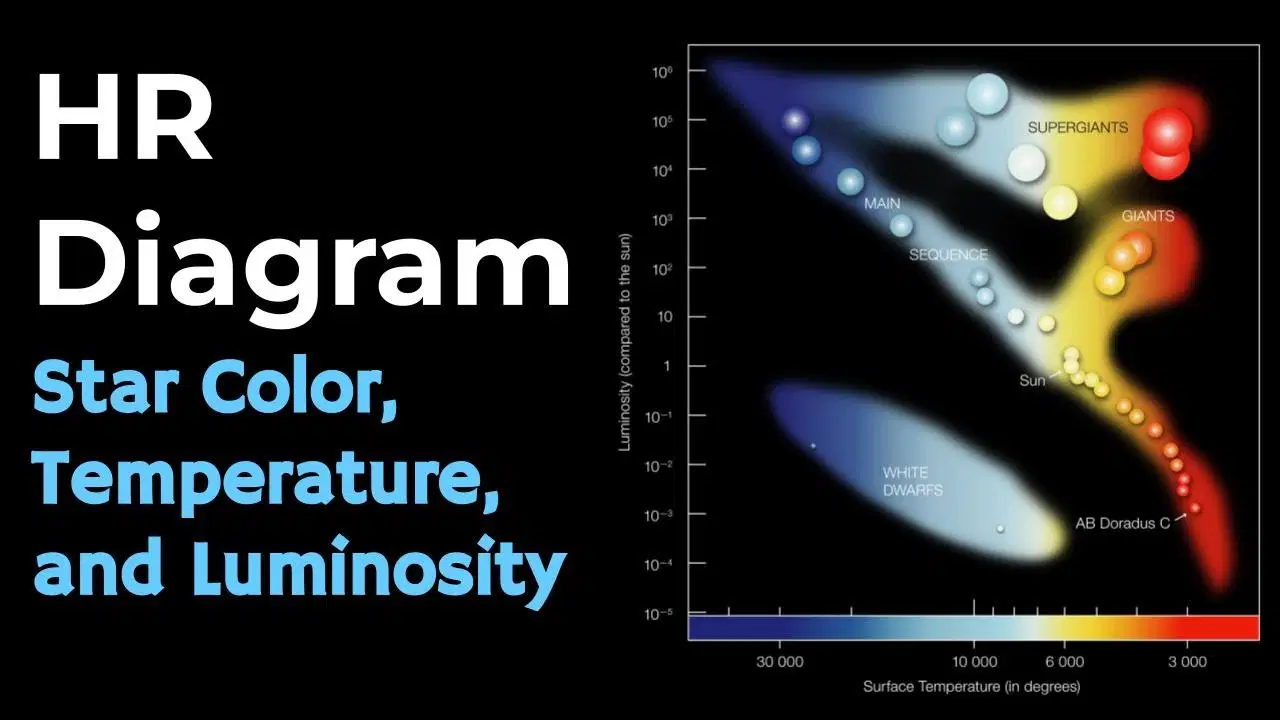
Where on the HR diagram would you find the hottest and most luminous stars?
(a)
At the bottom right
At the top right
At the bottom left
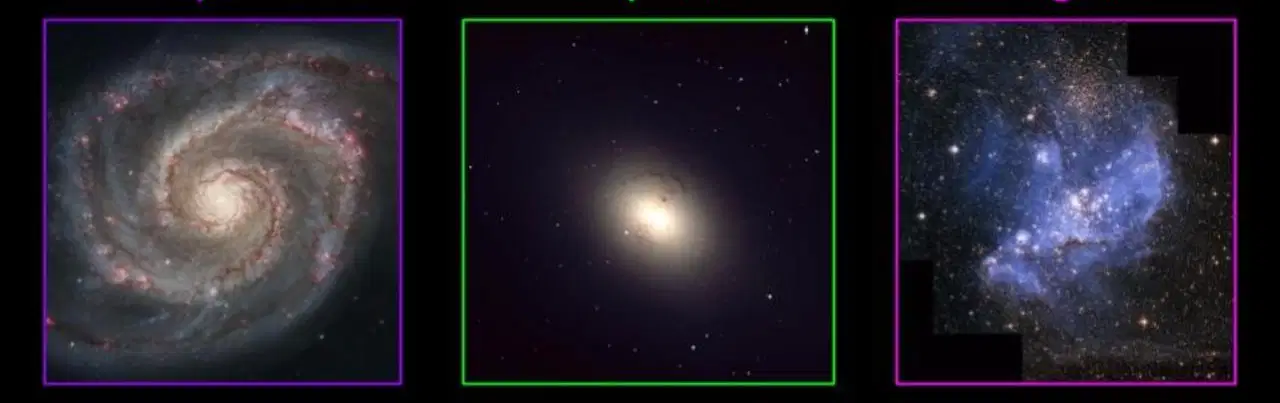
Which of the following are types of galaxies classified by shape?
Select all that apply
Spiral galaxy
Elliptical galaxy
Irregular galaxy
Circular galaxy
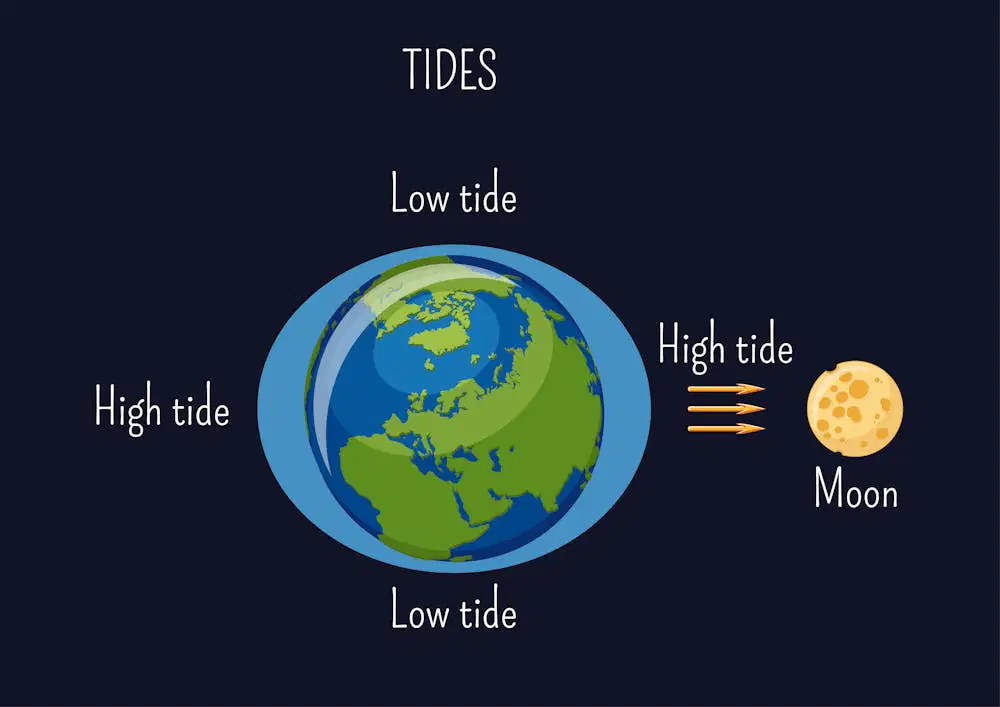
What causes the tides on Earth?
Earth's rotation
The gravitational pull of the Moon and the Sun
Earth's magnetic field
The Earth's atmospheric pressure

When do spring tides occur?
During the first and third quarters of the Moon
During a new moon and full moon
During a waxing crescent moon
During a quarter moon
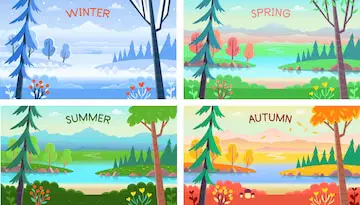
When the North pole is pointing away for the sun, it is (a) in the North and (b) in the south.

What season is the northern hemisphere having in position C?
winter
fall
summer
spring
A turtle travels to a pond 25 meters east. Label the graph of his journey.
What is the difference between an element and a compound?

