
Font size
 Worksheets
Year 7A Quiz
Total questions: 200
Worksheet time: 2hrs 12mins
T/F: Ancient Rome had a more developed social hierarchy than those civilizations we studied earlier in history like the four River Valley civilizations.
True
False
Who was at the top of the social hierarchy in Ancient Rome?
Patricians
King & Royal Family
Plebeians
Emperor
What was the emperor's role in Ancient Rome? Check ALL that apply.
Absolute Ruler of Roman Empire
Chosen based on their abilities to be an emperor
Chosen based on being born into the right family
Lived in the best villas, ate the best food, and worse the best clothes
Wanted to get rid of slavery
Which group of people were directly under the emperor on the Ancient Roman social pyramid?
Plebeians
Patricians
Equestrians
Freedmen
Explain the role of the patricians in the Roman Empire. Check all that apply.
These families provided the empire’s political, religious, and military leadership.
Young men were educated
They COULD NOT be a Senator
They HAD to serve in the military
Only patricians could become emperor
What group of people were directly under the patricians/members of Senate on the social pyramid in Ancient Rome?
Plebeians
Freedmen
Equestrians
Slaves
What is the role of the equestrians in the Ancient Roman Empire? Check ALL that apply.
They could move up to the patrician class if they became wealthy enough.
Their work revolved around the business roles within the empire.
They had jobs like tax collectors, bankers, miners, exporters, and managing road building/construction projects.
The could not move up to the patrician class, regardless of how much wealth they had.
What group of people were directly under the equestrians in the social pyramid in the Roman Empire?
Gladiators
Freedmen
Women
Plebeians
What is the role of the plebeians in the Ancient Roman Empire? Check ALL that apply.
They did not have to pay taxes.
They had to pay taxes.
They were the smallest group of people in the Ancient Roman Empire.
Plebeians were average working citizens of Rome – farmers, bakers, builders or craftsmen.
A few plebeians did manage to have slaves.
What group of people were directly underneath the plebeians in the Ancient Roman social hierarchy?
Slaves
Freedmen
Women
Gladiators
What is the role of the freedmen in Ancient Rome? Check ALL that apply.
They were a slave that was freed from the bonds of slavery.
They worked the same jobs as plebeians.
They could not become wealthy.
Many people in the Roman Empire thought of them in a positive way because they worked so hard.
Explain the role the soldiers played in the Ancient Roman Empire. Check ALL that apply.
Soldiers were feared for their training, stamina, and discipline.
The Roman Army wasn't very strong and lost many battles
The Roman Army was important in politics and the emperor made decisions that would benefit the army.
The minimum term of service for a soldier was 25 years.
The minimum term of service for a soldier was 20 years.
What group of people were at the bottom of the Ancient Roman Empire?
(a)
Explain the role the slaves played in the Ancient Roman Empire. Check all that apply.
Many slaves came from the Roman army after fighting in the war.
35% of the population in Ancient Rome were slaves
Some slaves were treated fairly BUT most lived hard lives.
Some slaves did jobs for profit where others did not and were used for show.
Some slaves could and would be freed.
What were the gladiators in Ancient Rome?
They were a division in the Roman Army.
They were part of the slaving class that were forced to fight to the death for the enjoyment of others.
They worked directly for the emperor and the royal family.
They staged rebellions against the emperor and fought to bring down the Roman Empire.
The supreme governing body of Ancient Rome was called...
The Senate
Tribune
Consul
The House of Representatives

What is the name of this Roman's sauce?
garum
fishum
melium
ragum

What's the name of this food?
olives
bread
hare
nuts
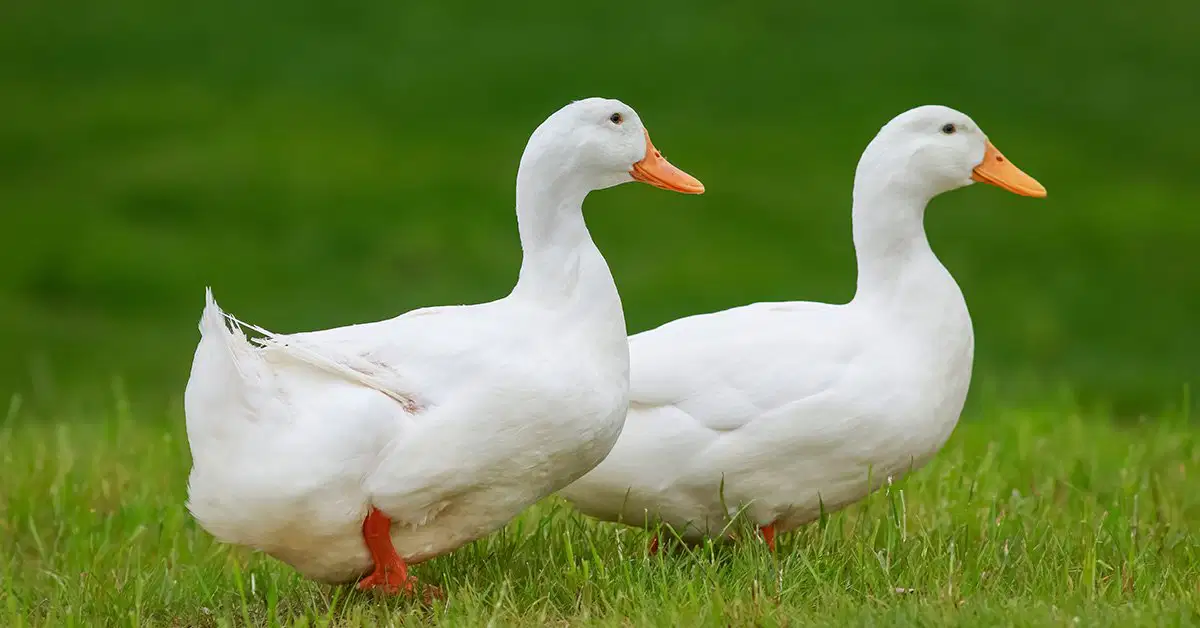
What's the name of this animal?
duck
hare
peacock
pheasant

What's the name of this animal?
duck
hare
peacock
pheasant
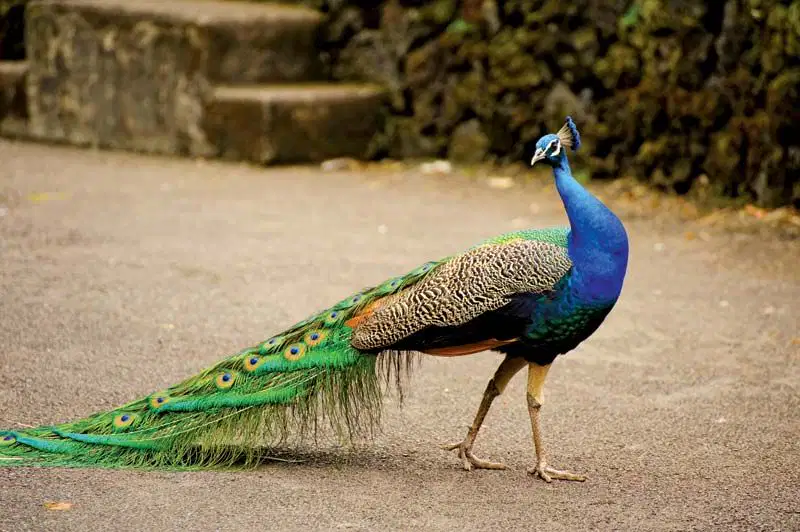
What's the name of this animal?
duck
hare
peacock
pheasant

What's the name of this animal?
duck
hare
peacock
pheasant
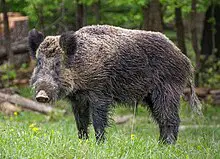
What's the name of this animal?
boar
lamb
peacock
hare

What's the name of this animal?
boar
lamb
peacock
hare

What's the name of this animal?
snail
eel
oyster
mackerel
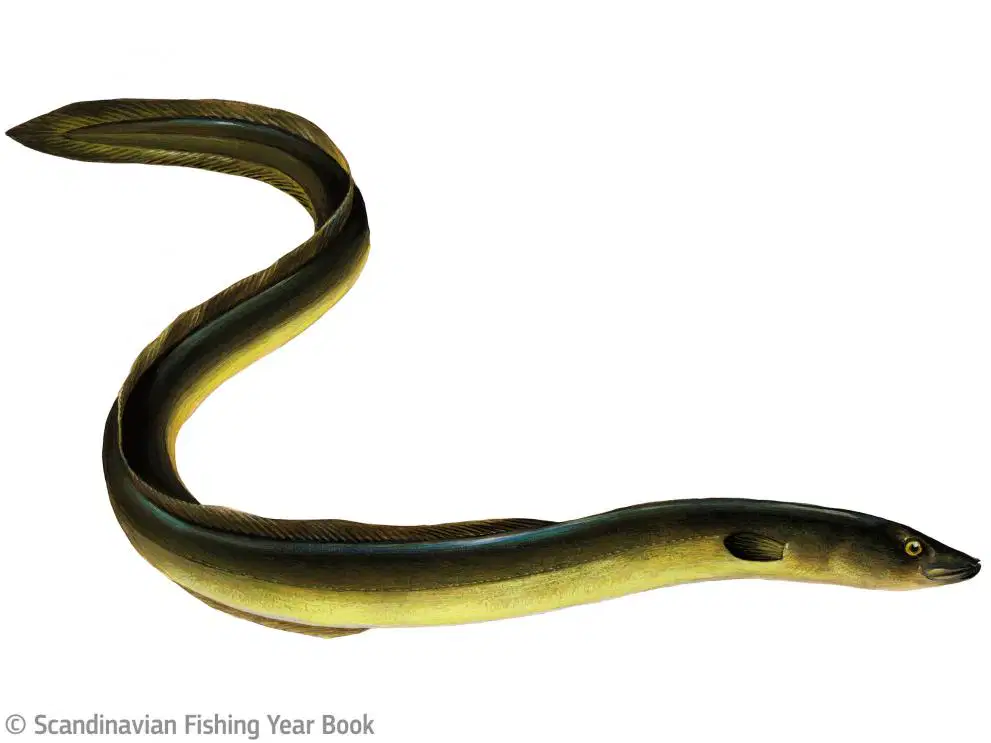
What's the name of this animal?
snail
eel
oyster
mackerel

What's the name of this animal?
snail
eel
oyster
mackerel

What's the name of this animal?
snail
eel
oyster
mackerel

Which sweet substance is produced by bees?
(a)

Poor Romans in the countryside lived in small
wooden (a) .

Which of the following was NOT a luxury introduced by the Roman civilization?
plumbing
public baths
roads
honey production

What is the term for the countryside residences of rich Romans?
Villa
Insulae
Domus
Mare Nostrum

What term is used to describe the urban houses of rich Romans?
Villa
Insulae
Domus
Mare Nostrum

What term is used to describe the urban houses of poor Romans?
Villa
Insulae
Domus
Mare Nostrum

Type the name of this food.
(singular)
(a)

The Romans introduced lots of luxuries into civilization, such as (a) , roads and even plumbing.
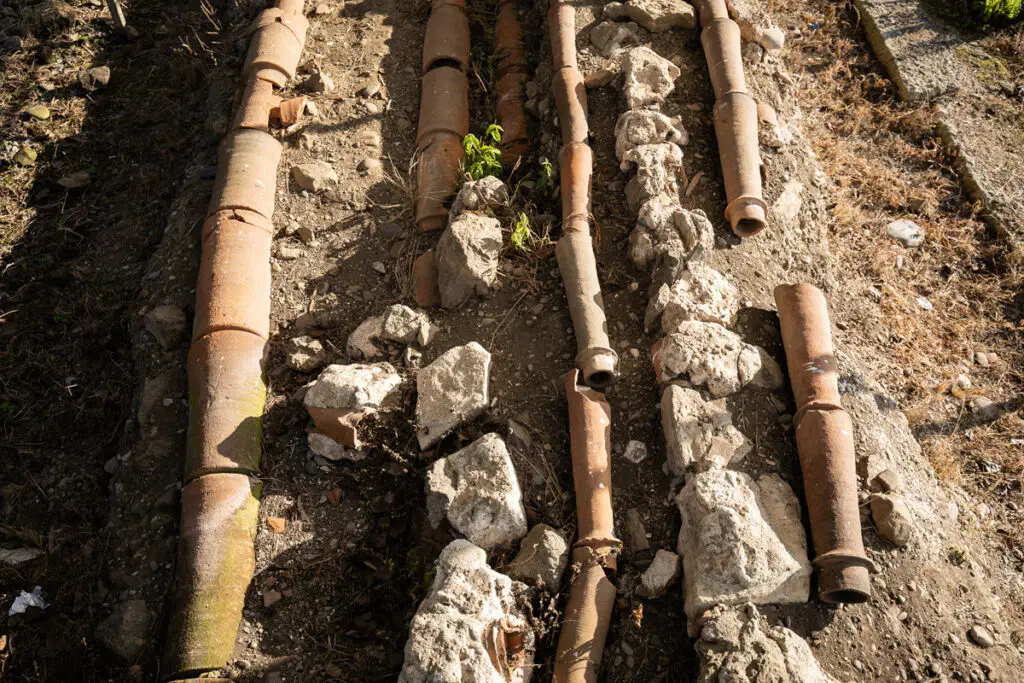
The Romans introduced lots of luxuries into civilization, such as roads and even (a) .
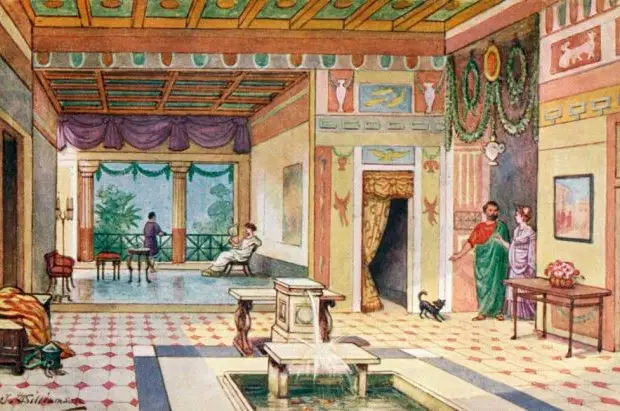
In the passage "The would floor would have been covered with animal skins and there would be simple furniture, such as benches for beds.",
which words means "equipment, such as tables and chairs"?
(a)
Who was Rome named after?
Remulus
Rome
Romano
Romulus

Who were Romulus and Remus?
The first two rulers of Rome, they worked as partners.
Twin brothers, that according to legend founded Rome.
These were the enemies that caused the people living in the area to form Rome.
They were Trojan soldiers fleeing Troy who got the Latins together to form Rome.

In the conflict between the two brothers, who won and went on to found Rome, Remus or Romulus?
Remus
Romulus
They shared the pizza--I mean, city.
The legend doesn't tell us
Rome is located on which continent?


Italy looks like a _________ and is a ___________.
boot, boot
flower, peninsula
boot, peninsula
hand, island
Rome was located near what large body of water?
Pacific Ocean
Atlantic Ocean
Red Sea
Mediterranean Sea
Why was Rome's geographic setting important?
Strong winds brought heavy spring rains to the land.
Its position was central to Italy and the known Western world.
It was surrounded by deserts which kept is safe from invasion.
Farmers depended on yearly flooding to plant crops.
Tiber River
language
Correct

An island that is part of Italy
Hadrian
Latifundia
Sicily
Mesopotamia


What has made Italy (Rome) so good at attracting people to settle there throughout history?
It is located on a river that is protected by cataracts and a huge delta where it meets the ocean.
It is very isolated and hard to get to, so invaders ignored it.
It is centrally located for trade and has a climate good for farming.
The mountains were a great place to plant crops, and the weather was cold enough to keep invaders away.

Coming from Northern Italy, these people taught the Romans how to build roads and buildings. They also influenced the way Romans dressed and organized their army. Who were they?
The Greeks
The Latins
The Etruscans
The Egyptians

Rome's Polytheistic gods (many different gods) came from....
Myths
Greece
Mesopotamia
Egypt

A structure built to supply Rome with running water
aquaman
centurion
legionary
aqueduct

The flat central area in the amphitheatre where the gladiatorial fights took place
arena
forum
ampitheatre
empire

A circular building, like a football stadium, for gladiatorial fights
arena
amphitheatre
forum
republic

Name given by the Romans to a person who was not part of their empire
plebeian
patrician
barbarian
centurion

The commander of a group of 80 legionaries
barbarian
emporer
legion
centurion

Ruler of the Roman Empire after the end of the republic
Patrician
Emporer
Republican
Chief

Open meeting place of a Roman city or town
legion
amphitheatre
arena
forum

Slave trained to the death
Gladiator
Pagan
Patrician
Barbarian

Roman army unit of about 5000 legionaries
legionary
pagan
legion
centurion

A highly trained foot-soldier in the Roman army
legionary
legion
centurion
fighter

Name given to a person who believed in non-Christian gods
patrician
centurion
barbarian
pagan

Wealthy families of Rome
Patricians
Plebeians
Centurions
Barbarians

Common citizens of Rome
pagans
plebeians
patricians
centurions

A form of government where the power is held by the people and their elected representatives
Empire
Legionary
Republic
Monarchy

The heavy woollen cloak worn by Roman citizens
togs
toga
cardigan
pagan
How did Italy’s geography and climate help Rome’s development?
Its mountains and cold climate helped keep foreign peoples from invading.
Its long coasts and tropical climate helped land and sea trade
Its mild climate and rivers helped provide Romans with a supply of food and fresh water.
Its dry climate and flat plains helped Romans grow crops and domesticate animals.
What was the role of a dictator in ancient Rome?
to defend the city from invaders
to make laws for the benefit of the people
to control the government for his own benefit
to use absolute power to make himself wealthy
What was the role of the Roman Forum?
It was located on Palatine Hill, where the wealthiest citizens lived.
It was the port where goods from around the Mediterranean arrived.
It was the center of civic and religious life in Rome.
It was where the Roman army trained.
Why did the Gracchi propose the creation of farms on Roman public lands?
to prevent poor Romans from rebelling
to increase the size of the Roman army
to punish wealthy Romans for opposing them
to increase their support among unemployed Romans
Which of the following helped increase trade in the Roman Empire?
establishing ports in the Atlantic Ocean
invading India and eastern Africa
improving farming techniques
using a common currency
Why did Constantine build the new Roman capital at Constantinople?
It was surrounded by mountains and easy to defend.
It was the seat of the Eastern Orthodox Church.
It was located where Europe and Asia meet.
It was located near gold and silver mines.
How did the Roman government contribute to the fall of Rome?
It closed schools.
Its officials were corrupt.
It collected too little taxes.
Its officials refused to work
How did the Romans improve upon Greek architecture?
They used concrete and vaults to build larger structures.
They perfected the use of columns to support a dome.
They used marble to make buildings more attractive.
They copied the subjects of earlier sculptures.
Greek surgeon who made discoveries about the human body
Galen
Livy
Ovid
Virgil
Roman poet who wrote about mythology, including Metamorphoses
Galen
Livy
Ovid
Virgil
Roman writer whose epic, the Aeneid, described the founding of Rome
Galen
Livy
Ovid
Virgil
Roman historian who wrote about the founding of Rome and the establishing of the Roman Empire
Galen
Livy
Ovid
Virgil
Why were Roman aqueducts so remarkable?
They crossed miles of uneven land to bring water to cities.
They supported a long series of underwater pipes
They required less material to hold more water.
They directed water into large reservoirs.
(a) The two most powerful officials in Rome
(a) Roman emperor; he conquered most of Britain and built a huge wall across the northern part of the island to keep barbarian invaders from the north out of Roman territory.
(a) Roman Peace
In geographic terms, Italy is a ___________.
an island
a peninsula
a mountain range
a continent
How did the Romans benefit from Italy's climate?
The weather was rarely very hot
A variety of food crops grew well
The snowfall allowed for fresh water
A number of cash crops grew for trade

Letter A
Mediterranean Sea
Ligurian Sea
Tyrrhenian Sea
Adriatic Sea
Letter B
Mediterranean Sea
Ligurian Sea
Tyrrhenian Sea
Adriatic Sea
Letter C
Mediterranean Sea
Ligurian Sea
Tyrrhenian Sea
Adriatic Sea
Letter F
Mediterranean Sea
Ligurian Sea
Tyrrhenian Sea
Adriatic Sea
Letter D
Po River
Tiber River
Letter E
Po River
Tiber River
# 1
Sardinia
Corsica
The Alps
The Apennines
Sicily
# 2
Sardinia
Corsica
The Alps
The Apennines
Sicily
# 3
Sardinia
Corsica
The Alps
The Apennines
Sicily
# 4
Sardinia
Corsica
The Alps
The Apennines
Sicily
# 5
Sardinia
Corsica
The Alps
The Apennines
Sicily

Identify the area of the map inside the red circle.
Tiber River
Mississippi River
Arno River
Po River

Identify the area of the map inside the red circle.
Tiber River
Mississippi River
Arno River
Po River

Identify the area of the map inside the red circle.
Tiber River
Mississippi River
Arno River
Po River

Identify the area of the map inside the red circle.
Alps
Himalayas
Apennines
Andes

Identify the area of the map inside the red circle.
Alps
Himalayas
Apennines
Andes

Identify the area of the map inside the red circle.
Sicily
Crete
Corsica
Sardinia

Identify the area of the map inside the red circle.
Sicily
Crete
Corsica
Sardinia

Identify the area of the map inside the red circle.
Sicily
Rome
Corsica
Sardinia

Identify the area of the map inside the red circle.
Sicily
Rome
Corsica
Sardinia

Identify the area of the map inside the red circle.
Sicily
Rome
Greece
Sardinia

Identify the area of the map inside the red circle.
Tyrrhenian Sea
Aegean Sea
Adriatic Sea
Ionian Sea

Identify the area of the map inside the red circle.
Tyrrhenian Sea
Aegean Sea
Adriatic Sea
Ionian Sea

Identify the area of the map inside the red circle.
Tyrrhenian Sea
Aegean Sea
Adriatic Sea
Ionian Sea

Identify the area of the map inside the red circle.
Tyrrhenian Sea
Mediterranean Sea
Adriatic Sea
Ionian Sea

Identify the area circled in red
Greece
Italy
Rome
Europe
What is a disadvantage to the islands connected with Italy?
isolated from Italy
good climate
many ports
defensible position in battle
What was an advantage to having lots of rain in Rome?
better roofs
erosion from runoff
plenty of drinking water
flooding of rivers
What was a disadvantage to Italy being a peninsula?
They are isolated from the mainland.
There is easy access to waterways.
There are three coasts to defend.
Trade is limited.
What was an advantage for Italy with being on the Mediterranean Sea?
It was a central location making travel and trade easier.
The location was so desirable, invaders wanted to attack.
It gave an easier way to irrigate farm fields.
It provided protection.
Plebeians...
were the larger social class and had the most power.
were the main people who were magistrates.
were typically wealthier than the other social class.
were the larger social class and had the least power.
Patricians...
were the smaller social class with the most power.
were the social class who only participated in the Assembly.
were the smaller social class with the least power.
were the social class that held a protest to gain power.
Roman myths were created to...
teach lessons and entertain.
entertain and pass on history.
teach government practices and pass on history.
teach lessons and pass on history.
Who were the two main characters in the myth about the founding of Rome?
Latins and Etruscans
Romulus and Remus
Aeneas and the Shepherd
Romulus and the Sabines
What is a virtue?
admirable quality of characteristic a person should live out
a prized possession that should be cherished
a quality people should avoid at all costs
a method of revenge the gods approved of
Who was Julius Caesar?
one of Rome's first Consuls
a popular leader of Rome
a dictator who took over Rome by force
the first Praetor in Rome
What is a Republic?
a form of government in which a king makes decisions
a government where representatives collect people's votes
a form of government where there are three wealthy kings
a form of government where people vote for representatives
Consuls in ancient Rome were similar to the job of
Justice in the United States.
President in the United States.
Tax collector in the United States.
Legislator in the United States.
Praetors in ancient Rome were similar to the job of
Justice in the United States.
President in the United States.
Tax collector in the United States.
Legislator in the United States.
Senators (some Patrician and Plebeians) in ancient Rome were similar to the job of
Justice in the United States.
President in the United States.
Tax collector in the United States.
Legislator in the United States.
Censors in ancient Rome were similar to the job of
Justice in the United States.
President in the United States.
Tax collector in the United States.
Legislator in the United States.
T/F: Ancient Rome had a more developed social hierarchy than those civilizations we studied earlier in history like the four River Valley civilizations.
True
False
Who was at the top of the social hierarchy in Ancient Rome?
Patricians
King & Royal Family
Plebeians
Emperor
What was the emperor's role in Ancient Rome? Check ALL that apply.
Absolute Ruler of Roman Empire
Chosen based on their abilities to be an emperor
Chosen based on being born into the right family
Lived in the best villas, ate the best food, and worse the best clothes
Wanted to get rid of slavery
Which group of people were directly under the emperor on the Ancient Roman social pyramid?
Plebeians
Patricians
Equestrians
Freedmen
Explain the role of the patricians in the Roman Empire. Check all that apply.
These families provided the empire’s political, religious, and military leadership.
Young men were educated
They COULD NOT be a Senator
They HAD to serve in the military
Only patricians could become emperor
What group of people were directly under the patricians/members of Senate on the social pyramid in Ancient Rome?
Plebeians
Freedmen
Equestrians
Slaves
What is the role of the equestrians in the Ancient Roman Empire? Check ALL that apply.
They could move up to the patrician class if they became wealthy enough.
Their work revolved around the business roles within the empire.
They had jobs like tax collectors, bankers, miners, exporters, and managing road building/construction projects.
The could not move up to the patrician class, regardless of how much wealth they had.
What group of people were directly under the equestrians in the social pyramid in the Roman Empire?
Gladiators
Freedmen
Women
Plebeians
What is the role of the plebeians in the Ancient Roman Empire? Check ALL that apply.
They did not have to pay taxes.
They had to pay taxes.
They were the smallest group of people in the Ancient Roman Empire.
Plebeians were average working citizens of Rome – farmers, bakers, builders or craftsmen.
A few plebeians did manage to have slaves.
What group of people were directly underneath the plebeians in the Ancient Roman social hierarchy?
Slaves
Freedmen
Women
Gladiators
What is the role of the freedmen in Ancient Rome? Check ALL that apply.
They were a slave that was freed from the bonds of slavery.
They worked the same jobs as plebeians.
They could not become wealthy.
Many people in the Roman Empire thought of them in a positive way because they worked so hard.
Explain the role the soldiers played in the Ancient Roman Empire. Check ALL that apply.
Soldiers were feared for their training, stamina, and discipline.
The Roman Army wasn't very strong and lost many battles
The Roman Army was important in politics and the emperor made decisions that would benefit the army.
The minimum term of service for a soldier was 25 years.
The minimum term of service for a soldier was 20 years.
What group of people were at the bottom of the Ancient Roman Empire?
(a)
Explain the role the slaves played in the Ancient Roman Empire. Check all that apply.
Many slaves came from the Roman army after fighting in the war.
35% of the population in Ancient Rome were slaves
Some slaves were treated fairly BUT most lived hard lives.
Some slaves did jobs for profit where others did not and were used for show.
Some slaves could and would be freed.
What were the gladiators in Ancient Rome?
They were a division in the Roman Army.
They were part of the slaving class that were forced to fight to the death for the enjoyment of others.
They worked directly for the emperor and the royal family.
They staged rebellions against the emperor and fought to bring down the Roman Empire.
T/F: Ancient Rome had a more developed social hierarchy than those civilizations we studied earlier in history like the four River Valley civilizations.
True
False
Who was at the top of the social hierarchy in Ancient Rome?
Patricians
King & Royal Family
Plebeians
Emperor
What was the emperor's role in Ancient Rome? Check ALL that apply.
Absolute Ruler of Roman Empire
Chosen based on their abilities to be an emperor
Chosen based on being born into the right family
Lived in the best villas, ate the best food, and worse the best clothes
Wanted to get rid of slavery
Which group of people were directly under the emperor on the Ancient Roman social pyramid?
Plebeians
Patricians
Equestrians
Freedmen
Explain the role of the patricians in the Roman Empire. Check all that apply.
These families provided the empire’s political, religious, and military leadership.
Young men were educated
They COULD NOT be a Senator
They HAD to serve in the military
Only patricians could become emperor
What group of people were directly under the patricians/members of Senate on the social pyramid in Ancient Rome?
Plebeians
Freedmen
Equestrians
Slaves
What is the role of the equestrians in the Ancient Roman Empire? Check ALL that apply.
They could move up to the patrician class if they became wealthy enough.
Their work revolved around the business roles within the empire.
They had jobs like tax collectors, bankers, miners, exporters, and managing road building/construction projects.
The could not move up to the patrician class, regardless of how much wealth they had.
What group of people were directly under the equestrians in the social pyramid in the Roman Empire?
Gladiators
Freedmen
Women
Plebeians
What is the role of the plebeians in the Ancient Roman Empire? Check ALL that apply.
They did not have to pay taxes.
They had to pay taxes.
They were the smallest group of people in the Ancient Roman Empire.
Plebeians were average working citizens of Rome – farmers, bakers, builders or craftsmen.
A few plebeians did manage to have slaves.
What group of people were directly underneath the plebeians in the Ancient Roman social hierarchy?
Slaves
Freedmen
Women
Gladiators
What is the role of the freedmen in Ancient Rome? Check ALL that apply.
They were a slave that was freed from the bonds of slavery.
They worked the same jobs as plebeians.
They could not become wealthy.
Many people in the Roman Empire thought of them in a positive way because they worked so hard.
Explain the role the soldiers played in the Ancient Roman Empire. Check ALL that apply.
Soldiers were feared for their training, stamina, and discipline.
The Roman Army wasn't very strong and lost many battles
The Roman Army was important in politics and the emperor made decisions that would benefit the army.
The minimum term of service for a soldier was 25 years.
The minimum term of service for a soldier was 20 years.
What group of people were at the bottom of the Ancient Roman Empire?
(a)
Explain the role the slaves played in the Ancient Roman Empire. Check all that apply.
Many slaves came from the Roman army after fighting in the war.
35% of the population in Ancient Rome were slaves
Some slaves were treated fairly BUT most lived hard lives.
Some slaves did jobs for profit where others did not and were used for show.
Some slaves could and would be freed.
What were the gladiators in Ancient Rome?
They were a division in the Roman Army.
They were part of the slaving class that were forced to fight to the death for the enjoyment of others.
They worked directly for the emperor and the royal family.
They staged rebellions against the emperor and fought to bring down the Roman Empire.
Name the form of Government used in the Roman Empire.
Theocracy
Democracy
Monarchy
Oligarchy
DEFINE the patrician social class of Ancient Rome.
Wealthy Landowner Citizens
Lower Class Roman Citizens
Former Slaves, Non-Citizens
Slaves
DEFINE the freedmen social class of Ancient Rome.
Wealthy Landowner Citizens
Lower Class Roman Citizens
Former Slaves, Non-Citizens
Slaves
DEFINE the plebeian social class of Ancient Rome.
Wealthy Landowner Citizens
Lower Class Roman Citizens
Former Slaves, Non-Citizens
Slaves
Name the conflict between the Ancient Romans and Carthage.
The Battle of Thermopylae
The Punic Wars
The Battle of 300
The New Age War
Define Pax Romana.
The period when the Punic Wars occurred.
The period when Romulus ruled over Rome.
The period during which Rome fell.
The period that is considered Rome's Golden Age.
Describe the Roman aqueduct.
A tool used to lay stones for roads.
A tool used to construct archways.
Architecture used to transport water to cities.
Architecture used to support large amounts of weight.
Define Roman civic virtue.
A set of beliefs that benefit the common good.
The requirement that all Roman boys serve in the military.
A set of beliefs considered "harmful" to Roman prosperity.
The requirement that all Roman citizens, man or woman, serve in the military.
A large structure built by the Roman Empire that represents their love for mass entertainment.
The Acropolis
The Atrium
The Colosseum
The Parthenon

Locate the Roman Empire on the map.
A
B
C
D
Choose the options below that were invented by the Romans.


Name the civilization that Rome "borrowed" it's culture from.
Greece
Mesopotamia
China
Persia
State the theme of Rome's art and literature.
Military victories
Scientific discovery
Political swag
Cultural diversity
Name the economic product that was most important in Ancient Rome.
Salt
Fine jewels
Agricultural goods
Lumber
Name the form of Government used in the Roman Empire.
Theocracy
Democracy
Monarchy
Oligarchy
DEFINE the patrician social class of Ancient Rome.
Wealthy Landowner Citizens
Lower Class Roman Citizens
Former Slaves, Non-Citizens
Slaves
DEFINE the freedmen social class of Ancient Rome.
Wealthy Landowner Citizens
Lower Class Roman Citizens
Former Slaves, Non-Citizens
Slaves
DEFINE the plebeian social class of Ancient Rome.
Wealthy Landowner Citizens
Lower Class Roman Citizens
Former Slaves, Non-Citizens
Slaves
Name the conflict between the Ancient Romans and Carthage.
The Battle of Thermopylae
The Punic Wars
The Battle of 300
The New Age War
Define Pax Romana.
The period when the Punic Wars occurred.
The period when Romulus ruled over Rome.
The period during which Rome fell.
The period that is considered Rome's Golden Age.
Describe the Roman aqueduct.
A tool used to lay stones for roads.
A tool used to construct archways.
Architecture used to transport water to cities.
Architecture used to support large amounts of weight.
Define Roman civic virtue.
A set of beliefs that benefit the common good.
The requirement that all Roman boys serve in the military.
A set of beliefs considered "harmful" to Roman prosperity.
The requirement that all Roman citizens, man or woman, serve in the military.
A large structure built by the Roman Empire that represents their love for mass entertainment.
The Acropolis
The Atrium
The Colosseum
The Parthenon
Locate the Roman Empire on the map.
A
B
C
D
Choose the options below that were invented by the Romans.
Name the civilization that Rome "borrowed" it's culture from.
Greece
Mesopotamia
China
Persia
State the theme of Rome's art and literature.
Military victories
Scientific discovery
Political swag
Cultural diversity
Name the economic product that was most important in Ancient Rome.
Salt
Fine jewels
Agricultural goods
Lumber

