
 Worksheets
Rainwater Systems
Total questions: 20
Worksheet time: 10mins

What are the two important factors to consider with the roof area in rainwater systems?
Slope and material of the roof
Color and design of the roof
Height and width of the roof
Age and condition of the roof
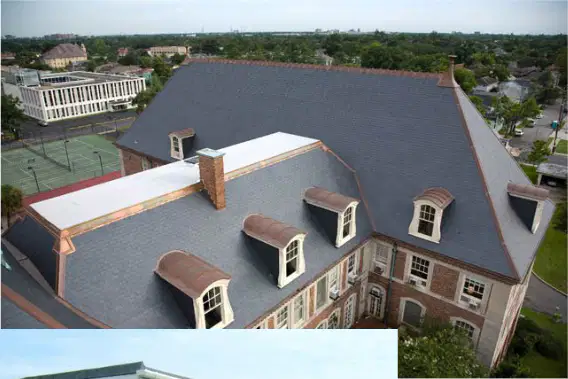
Which of the following is an important factor to consider with the roof area?
The color of the roof
The actual size of the roof area
The material of the roof
The number of windows
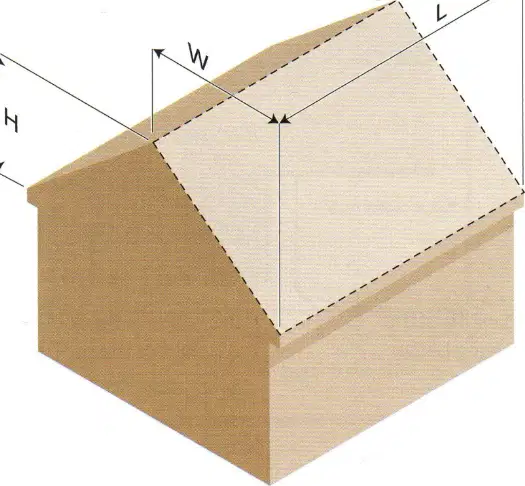
How does the roof area affect the amount of rainwater collected and the velocity at which the water enters the guttering?
Larger roof area collects more rainwater and increases water velocity.
Smaller roof area collects more rainwater and decreases water velocity.
Larger roof area collects less rainwater and decreases water velocity.
Roof area does not affect rainwater collection or water velocity.

What is the function of a running outlet in a rainwater system?
To collect rainwater from the roof
To direct rainwater to the drainage system
To store rainwater for later use
To filter debris from rainwater

The position of the running outlet is usually based on the location of which part of the property?
Drain gulley
Kitchen
swimming pool
Garage
True or False: The more outlets on the system, the less distance the rainwater has to travel in the gutter and the greater discharge efficiency the system has.
True
False
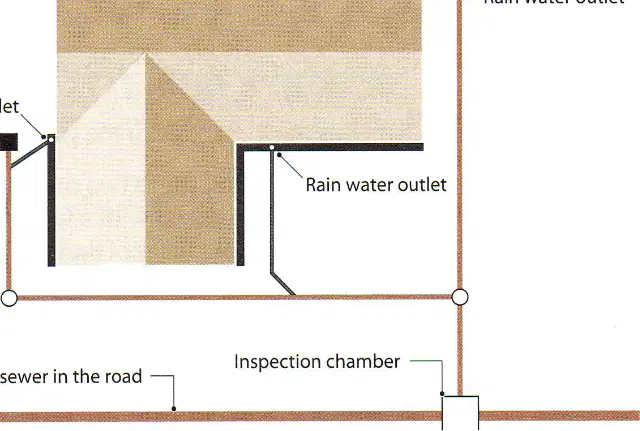
What is the purpose of a rainwater outlet in a rainwater system?
To collect rainwater from the roof
To filter debris from rainwater
To direct rainwater to the drainage system
To store rainwater for later use
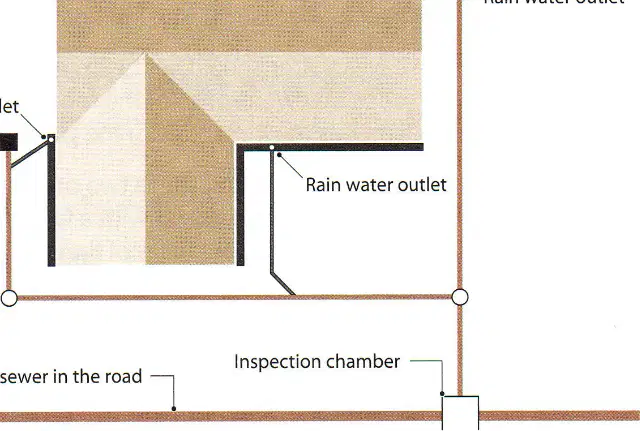
In the diagram of the rainwater system, where does the rainwater outlet lead to?
Surface water sewer in the road
Inspection chamber
Roof
Garden
What should you check to find out the flow capacity of a running outlet design?
The material of the outlet
The diameter of the outlet
The color of the outlet
The brand of the outlet
How can you determine the number of outlets a roof line may require?
By calculating the roof area and slope
By considering the number of rooms in the house
By checking local building codes
By estimating the number of electrical appliances
According to BS EN 12056, what should be the fall of gutters per metre length?
1-3mm
3-5mm
5-7mm
Fill in the blank: The gradient of the eaves gutter should not allow the rainwater to run off the roof and ______ the gutter.
miss
overflow
clog
damage
What is the standard fall of the gutter as interpreted by most manufacturers?
1:500
1:600
1:700
1:800
Fill in the blank: The fall of the gutter is interpreted as a 1mm drop every _______ length.
600mm
500mm
700mm
800mm
What is the effect of changes in direction in a gutter system?
Increases efficiency
Decreases efficiency
No effect
What should be avoided in a gutter system according to the passage?
Too many changes in direction without an outlet
Installing an outlet far from a change in direction
Reducing the fall ratio
Fill in the blank: Straight runs give ______ flow rate.
maximum
minimum
average
variable
What is the recommended distance between outlets in a gutter system?
Every 5 meters
Every 10 meters
Every 15 meters
Every 20 meters
True or False: A gutter system with fewer outlets will have a higher risk of overflow during heavy rain.
False
True
Fill in the blank: The efficiency of a gutter system is maximized when the outlets are placed at the _______ points of the gutter run.
random
middle
lowest
highest

