
 Worksheets
25-26 2nd Nine Weeks DCA Review
Total questions: 63
Worksheet time: 32mins
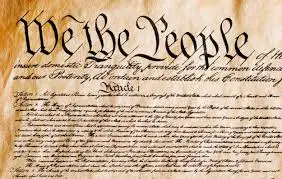
- “We the people of the United States...”
- Replaced the Articles of Confederation in 1789
- Living Document
- Framework for current federal government
The following statements best describe what document?
Declaration of Independence
Articles of Confederation
US Constitution
Bill of Rights
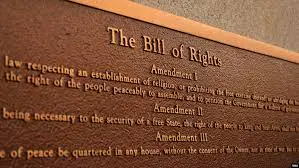
Fill in the blank: The first ten amendments to the U.S. Constitutions that protect individual liberties are collectively known as the __________ of Rights.
Bill of Rights
Charter
Declaration
Covenant
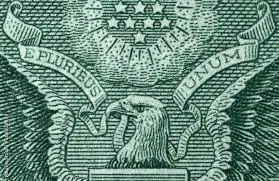
Which of the following best describes the concept of "E Pluribus Unum"?
A) “Out of many, One”
B) “United we stand”
C) “In God we trust”
D) “Liberty and justice for all”
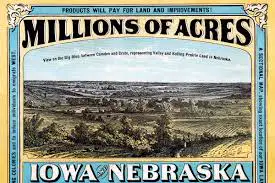
(1862) Federal land grants that encouraged settlement to the west (Great Plains) . . .
Dawes Act
Homestead Act
Smoot Hawley Tariff Act
Interstate Commerce Act

- Growth of Cities
- Gap between the rich and poor
- Increase of Industrial Production
- From rural to urbanization
Are all characteristics of the _____________________?
Early America (1700's)
WWII
The Gilded Age
American Imperialism
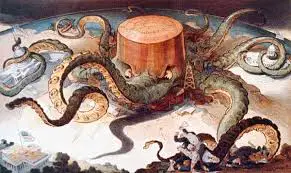
Fill in the blank: A __________ has complete control of the supply of a product or service in a particular market with the hopes of eliminating competition.
Monopoly
Oligopoly
Cartel
Duopoly

Which of the following converted iron into steel, Increased steel production, lowered the cost, and helped build taller building to help reduce overcrowding in cities?
Child Labor
Labor Unions
Social Darwinism
Bessemer Process
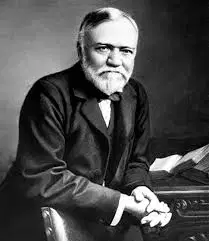
Who used the Bessemer process to create a monopoly in the steel industry, and believed in philanthropy?
John D. Rockefeller
Thomas Edison
Andrew Carnegie
JP Morgan
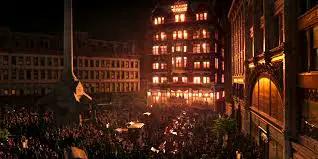
How did electricity impact United States industry?
Businesses were opened less hours, were more efficient and improved safety in the workplace.
Businesses could stay open longer, were more efficient, and improved safety in the workplace.
Business could stay open longer, less efficient, and did not improve safety in the workplace.
Business could stay open longer, were more efficient, and did not improve safety in the workplace.
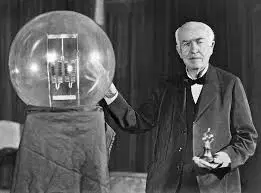
Fill in the blank: Thomas Edison's invention of __________ changed American life by providing bright, reliable illumination that allowed people to work longer hours and enjoy activities long after sunset.
Light Bulbs
Television
Telephone
Radio

Which trend of the late 1800s correctly replaces the question mark in cause-and-effect diagram?
The number of immigrants from Europe declined
The government passed laissez-faire laws
People moved from rural to urban areas
Settlement houses lost federal funding
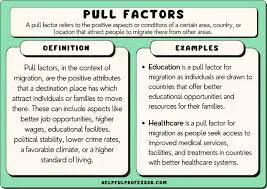
Freedom, Economic Opportunities and Prosperity, and Equality are considered . . .
Push Factors
Pull Factors

Religious, Poverty, and War are considered . . .
Push Factors
Pull Factors
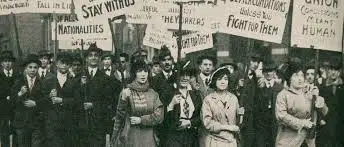
What were the causes of the rise of labor unions?
Poor and unsafe work place, low wages, child labor, long hours,
Better and safe work place, high wages, child labor, short hours
Poor and unsafe work place, low wages, no child labor, short hours
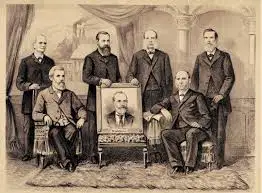
Name TWO labor unions (from the Gilded Age)
Tom and Jerry
American Federation of Labor (AFL) & Knights of Labor
NAACP and Black Panthers
Flying Tigers and Tuskegee Airmen

What important legal outcome resulted from the Pullman Strike?
The government set a minimum wage for workers
Courts began using legal orders to stop labor protests
Workers gained the right to negotiate as a group
The U.S. Department of Labor was created
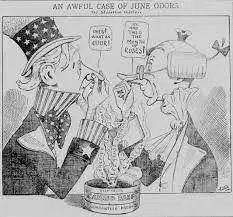
__________ was a legislation prohibiting the manufacture, sale, or shipment of impure or falsely labeled food and drugs. Passed after “The Jungle” by __________, to protect the safety of consumers.
The Pure Food and Drug Act, Upton Sinclair
The Food Safety Act, Mark Twain
The Consumer Protection Act, John Steinbeck
The Health and Safety Act, Ernest Hemingway

The Pure Food and Drug Act of 1906 was a result of:
Labor union protests
Muckraking journalism
Immigration policies
World War I
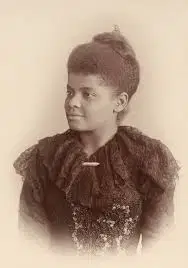
____________________ investigated and documented the lynching of African Americans, leading to anti-lynching laws and also fought for women’s suffrage.
Ida B. Wells
Ida Tarbell
Frances Willard
Susan B. Anthony
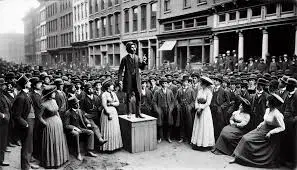
- Economic Inequality
- Political Corruption
- Terrible Working Conditions
- Social Justice Concerns
- Industrial Exploitation
- Urban Problems
- Environmental concerns
T o F: The following reasons above led to progressive reform (change) that led to citizens directly participating in government.
True
False

Theodore Roosevelt's "Big Stick" policy was most closely associated with:
Domestic economic reforms
Environmental conservation
Foreign policy and diplomacy
Labor union negotiations
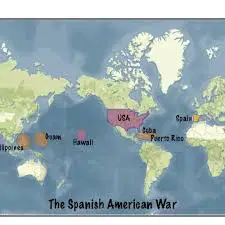
How did the Spanish-American War contribute to the United States becoming a world power?
By ceding territories like Guam, Philippines, and Puerto Rico
By reducing its military presence overseas
By forming alliances with European powers
By focusing solely on domestic issues
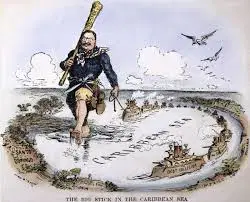
The __________ Corollary was an extension of the Monroe Doctrine, asserting the U.S. right to intervene in Latin American affairs.
Roosevelt Corollary (Big Stick Policy)
Truman Corollary
Wilson Corollary
Jefferson Corollary
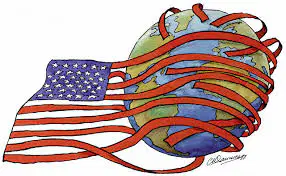
T o F: New Markets, Obtain Raw Materials, Establish Naval Bases, Spread Christianity & Social Darwinism were the reasons for Imperialism.
True
False

Which was NOT a major cause of World War I, as represented by the acronym MAIN?
A) Militarism
B) Totalitarianism
C) Imperialism
D) Nationalism
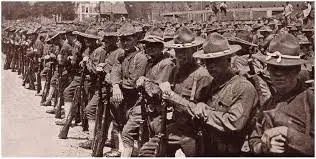
What was the significance of the AEF (American Expeditionary Forces) in World War I?
Helped Allies launch a counter attack on the western front and break the stalemate
Provided medical support to the Allies
Focused on naval battles in the Pacific
Assisted in the development of new military technology
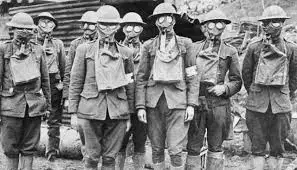
The introduction of __________ gas as a weapon in World War I led to new forms of warfare and protective equipment.
Poison Gas
Natural Gas
Laughing Gas
Helium Gas
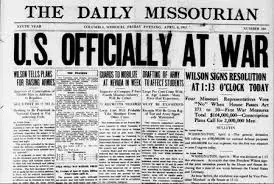
What are the reasons for US Entry into WWI? (Hint: Think Acronym RUN)
Russia’s Exit, Unrestricted Submarine Warfare, Zimmerman Note
Russia’s Entry, Unrestricted Submarine Warfare, Neutrality Act
Russia’s Exit, Unrestricted Submarine Warfare, Neutrality Act
Russia’s Entry, Zimmerman Note, Neutrality Act
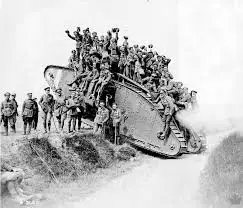
The primary purpose of tanks in World War I was to:
Transport troops safely
Break the stalemate of trench warfare
Improve communication between allied forces
Provide mobile artillery support

Which of Wilson's Fourteen Points was most important in establishing the League of Nations?
Open seas for all nations
Rebuilding Belgium after World War I
Creating a global organization of nations
Removing trade barriers between countries
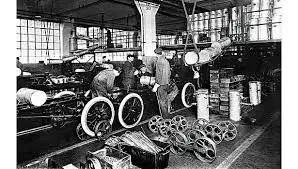
Henry Ford's assembly line method led to an economic boom in the 1920s because . . .
It made cars more expensive and less accessible.
It decreased production efficiency and slowed down the industry.
It made cars more affordable and increased production and ownership.
It had no significant impact on the automobile industry.
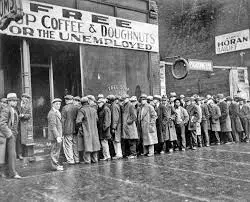
What were some effects of the Great Depression?
Unemployment, business failed, hunger, and homelessness.
Economic boom, increased employment, and prosperity.
Technological advancements and industrial growth.
Political stability and social harmony.
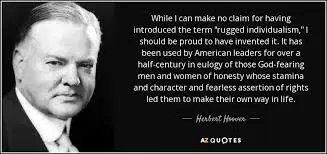
The term "__________ Individualism" was associated with Herbert Hoover's approach to handling the Great Depression.
Rugged Individualism
Collective Individualism
Cooperative Individualism
Flexible Individualism

The __________ increased tariffs on foreign goods, which decreased international trade and led to increased unemployment.
Smoot-Hawley Tariff Act
North American Free Trade Agreement
General Agreement on Tariffs and Trade
World Trade Organization
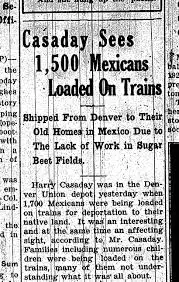
The __________ forcibly sent/deported Mexican-American Immigrants back to Mexico because Americans did not want to compete for jobs.
The Mexican Repatriation Act
The Immigration Control Act
The Alien Deportation Act
The American Jobs Protection Act

Which New Deal agency was created to insure bank deposits and restore public confidence in the banking system?
Securities and Exchange Commission (SEC)
Federal Deposit Insurance Corporation (FDIC)
Tennessee Valley Authority (TVA)
National Labor Relations Board (NLRB)
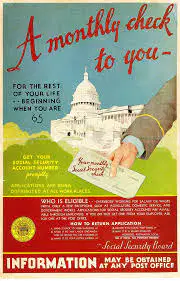
Which government program provides financial support and protection for elderly and disabled citizens, helping to ensure their economic well-being in retirement?
The Social Security Act (SSA)
Civilian Conservation Corps (CCC)
Federal Deposit Insurance Corporation (FDIC)
Farm Security Administration (FSA)
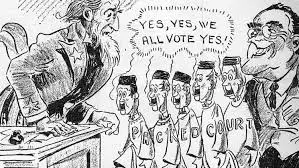
FDR’s attempt to appoint 6 new justices to the Supreme Court to weaken the judicial branch and strengthen/expand the power of the executive branch in order to gain support for the New Deal Program is called . . .
Cut Spending
The New Deal
Over Speculation
Court Packing
Which of the following constitutional principles did the Court Packing Scheme interfere with?
Federalism
Popular Sovereignty
Checks and Balances
Limited Government
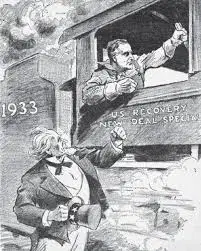
T o F: The goal of the New Deal Program was to provide relief, reform, and recovery.
True
False
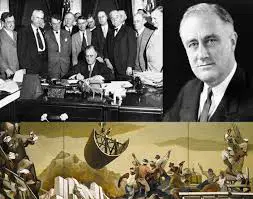
Why were some New Deal programs ruled unconstitutional by the Supreme Court?
Federal Government power increased
Executive Branch was given more power
Encroachment on state government
All of the above
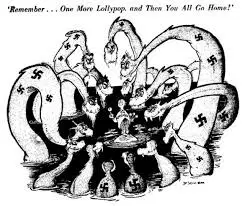
- Failure of the Treaty of Versailles
- Weakness of the League of Nations
- Appeasement with Hitler
- German Invasion of Poland
The following items above are characterized as . . .
The Effects of WWII
The Causes of WWII

What was the purpose of Victory Gardens during World War II?
To increase military recruitment
To supplement food supply during farm labor shortage
To promote industrial growth
To support international trade
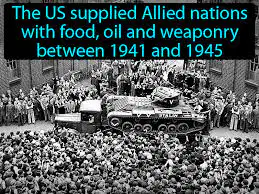
The ________-Lease Act allowed the United States to supply Allied nations with war materials without entering the conflict directly.
Lend Lease Act
Borrow Lease Act
Supply Lease Act
Support Lease Act
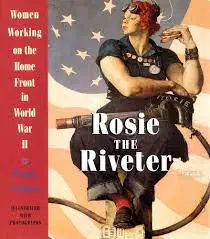
________ worked non-traditional jobs in industry. Replaced men that were sent to war in industry.
Women
Children
Elderly
Aliens

National defense spending increased when the U.S. entered the War, which led to . . .
A) Industrial Production decreasing
B) U.S. exiting the war
C) Industrial Production increasing
D) Brazil entering the war

The __________ was Nazi’s attempt to eliminate Jewish people in Europe by genocide.
Holocaust
Blitzkrieg
D-Day
Operation Barbarossa
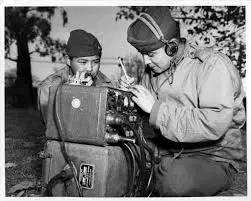
The Navajo Code Talkers in World War II were significant because:
They developed new weapons
They created an unbreakable code based on their language
They were the first Native American unit in the U.S. military
They led the D-Day invasion
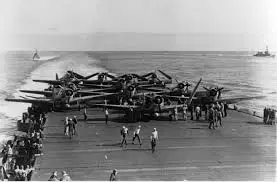
The Battle of ________ was a turning point in the Pacific Theater of World War II, shifting the balance of naval power in favor of the United States.
Battle of Midway
Battle of Coral Sea
Battle of Guadalcanal
Battle of Leyte Gulf
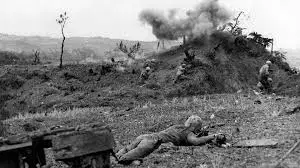
The fierce fighting and high casualty rates during the Battle of ________ in 1945 influenced the American decision to use atomic bombs on Japan.
Battle of Okinawa
Battle of Midway
Battle of Iwo Jima
Battle of Guadalcanal
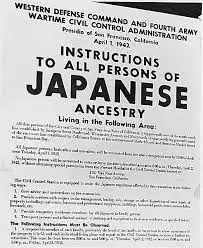
What was one way Executive Order 9066 affected Japanese Americans AND what was one way it violated their constitutional rights?
It led to the internment of Japanese Americans; it violated their right to due process.
It improved their economic status; it violated their right to free speech.
It increased their political power; it violated their right to bear arms.
It enhanced their social integration; it violated their right to privacy.

Congress could collect a graduated Income Tax. (Angered wealthy business owners) . . .
13th Amendment
14th Amendment
15th Amendment
16th Amendment
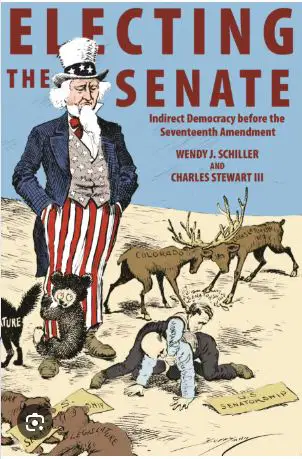
Direct Election of Senators . . .
16th Amendment
17th Amendment
18th Amendment
19th Amendment

(Prohibition) banning the manufacture, transportation, and sale of alcoholic beverages . . .
16th Amendment
17th Amendment
18th Amendment
19th Amendment

Women's suffrage (right to vote) . . .
16th Amendment
17th Amendment
18th Amendment
19th Amendment
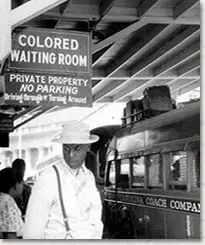
Which court case implemented the "separate but equal" clause and gave way for segregation?
Plessy v. Ferguson
Roe v. Wade
Arizona v. Miranda
Brown v. Board of Education
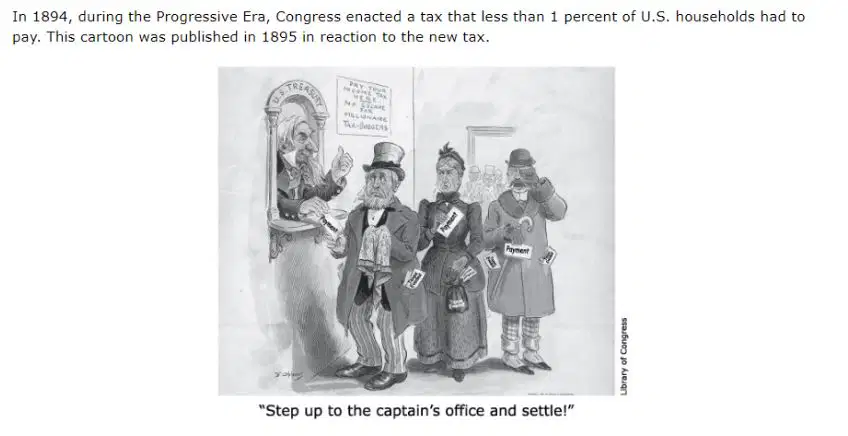
The people in line in this cartoon represent which group in U.S. society?
Poor immigrant workers in the lower class of society
Wealthy business owners in the upper class of society
Moderate-income professionals in the middle class of society
Elected government officials representing all classes of society
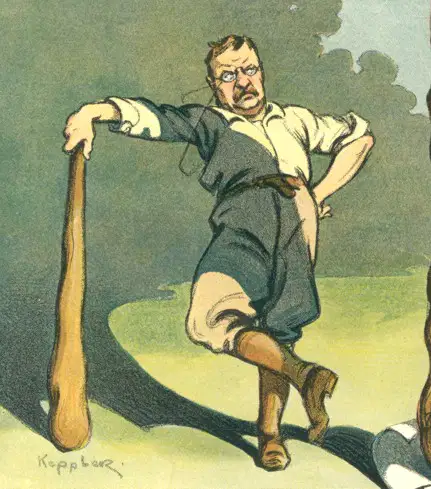
SELECT THREE: In what three ways did Theodore Roosevelt apply the Big Stick Policy?
Roosevelt expanded American power by building the Panama Canal
Roosevelt wanted to rule over the Dutch East India Company
Enforced dominance sending troops to Caribbean countries
Showcased military power with the Great White Fleet
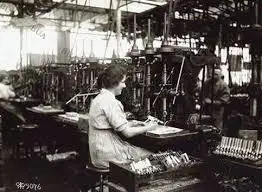
Which results occurred on the home front because of U.S. involvement in World War I?
Select TWO correct answers.
Industrial production decreased as U.S. citizens bought fewer goods and services.
Wages decreased as companies faced rising taxes and governmental restrictions on exports.
Companies hired women to work in jobs traditionally reserved for men.
African Americans migrated to northern citizens in order to improve their standard of living.
Job competiton cause the U.S. government to expel Meixcan Americans to Mexico.
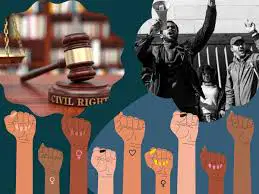
Basic rights that protect people from discrimination regardless class, race, gender, and ethnicity is called . . .
Tariff
Affirmative Action
Civil Rights
Prosperity

Stock market crash, stock market speculation, overproduction, under consumption, high tariffs (Smoot Hawley Tariff), business failures, farming crisis, availability of easy credit, overspeculation in the stock market, and bank failures are . . .
Causes of the Great Depression
Effects of the Great Depression
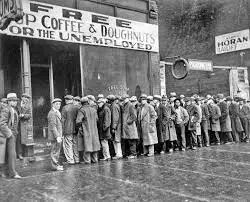
Unemployment, business failed, hunger, and homelessness are the . . .
Causes of the Great Depression
Effects of the Great Depression
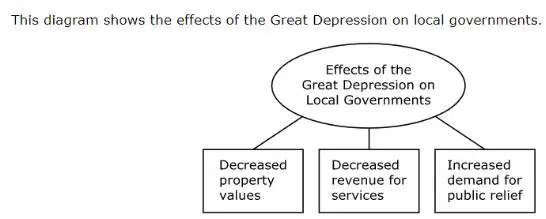
How did the states work to lessen the effects of the Great Depression shown in this diagram?
By refusing to accept federal money for relief programs and demanding more laissez-faire policies.
By agreeing to let the federal government nationalize industries to bring stability to the national economy.
By stopping the federal government from collecting federal income taxes to give people more money to spend in the states
By accepting federal money for relief programs but maintaining control over the administration of the programs.

