
Font size
 Worksheets
Medieval & Romanesque Art
Total questions: 13
Worksheet time: 9mins
What is TRUE about Early Medieval Art during the Migration Period?
The most common objects during Early Medieval art were artefacts, both religious and decorative, because they were always moving from place to place
This period saw the blending of artistic traditions from the declining Roman Empire with influences from migrating peoples such as the Germanic tribes, the Celts, and later the Vikings
Characterised by intricate metalwork, stylised animal motifs, and geometric patterns
This style flourished in the Burgundy region of France during the 11th and 12th centuries
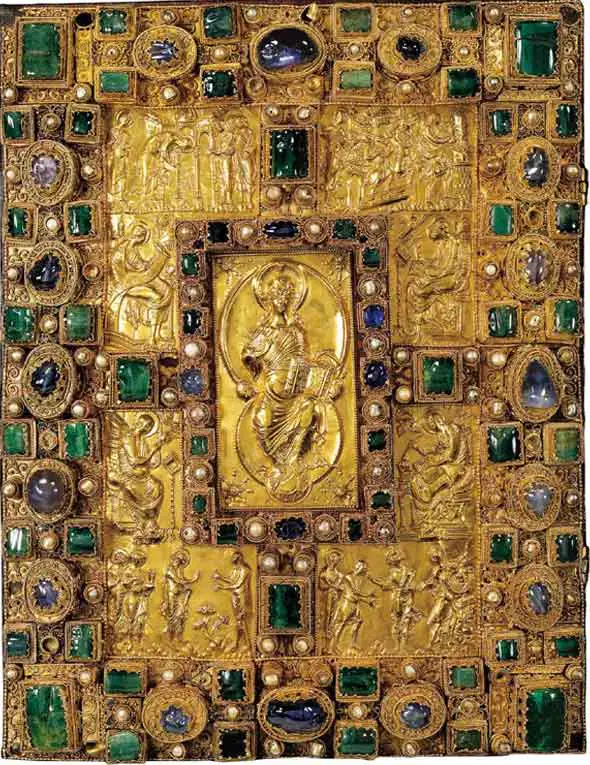
Early Medieval sculpture is distinctively known for
its emphasis on intricate decorative motifs and craftsmanship
highly praising metalwork, such as jewellery, weaponry, and religious objects
displaying elaborate patterns and motifs inspired by nature, mythology, and Christian symbolism
including illuminated manuscripts, textile weaving, and stone carving
being characterised by a flat and hieratic style
Which of the artworks below are examples of Illuminated Manuscripts?

Lindisfarne Gospels

The Book of Kells

the Vienna Coronation Gospels
Illuminated manuscripts featured colourful illustrations, ornate borders, and decorative initials, often incorporating intricate interlace patterns, animal motifs, and scenes from the Bible or the lives of saints.
True
False

Carolingian architecture
was inspired by Roman and Byzantine models
emphasised monumental forms, such as the Palatine Chapel in Aachen with its octagonal plan and domed roof
often adorned with elaborate decoration and sculpture
reflect the grandeur and influence of Cluniac monasticism

About Romanesque churches is true that
The walls of the main nave or vault in those periods depicted narrative scenes from the Bible to teach the pilgrimage
The transepts, would be ornamental, depicting huge crucial Biblical moments, like the Last Judgment
The apses (sanctuary) would always have the image of Christ accompanied by angels, apostles or saints
The aisles would display the story of local saints
Romanesque Illuminated Manuscripts were decorated with colourful illustrations, intricate borders, and ornate initial letters. Illuminators used techniques such as gold leaf, tempera paint, and intricate patterns to embellish the pages. Which of the following artworks display this technique?


About Romanesque decorative arts is TRUE that:
Romanesque art included objects such as reliquaries, processional crosses, chalices, and candlesticks
The Gloucester Candlestick is a great example of the Romanesque metalwork
Employs techniques such as casting, hammering, and chasing to create intricate designs and patterns
The emphasis is on conveying spiritual truths rather than realistic representation
"Portal sculpture adorned the entrances of Romanesque churches and cathedrals, serving as visual narratives that conveyed religious teachings to the illiterate masses. The Tympanum, Lintel, Archivolts and Capitals are key elements to these representations."
Which images display the above mentioned?

Abbey Church of Sainte-Foy in Conques

Church of Saint-Pierre in Moissac

Cathedral of Saint-Lazare in Autun

Cologne Cathedral
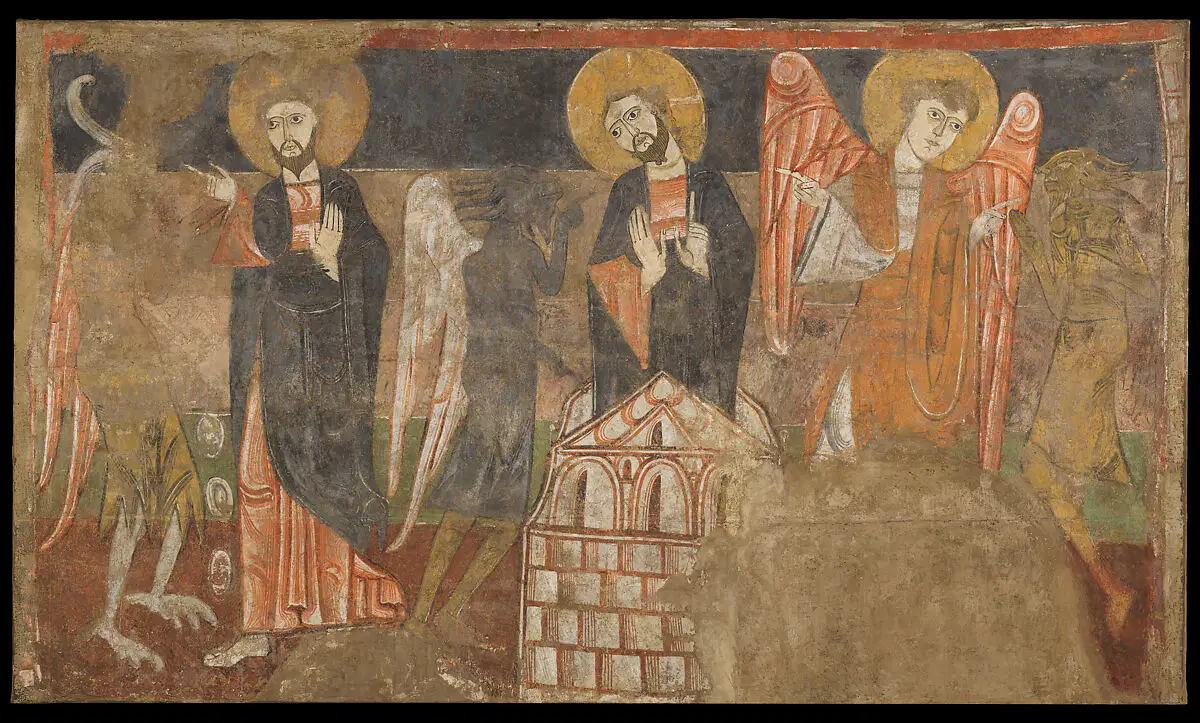
Romanesque painting is characterised by a new formality of style, largely known for its naturalistic and humanistic depiction like in the fresco "The Temptation of Christ by the Devil".
True
False
Romanesque paintings
primarily focused on religious themes, including scenes from the Bible, the lives of saints, and the Last Judgment
often served didactic purposes to educate the faithful
is characterised by a flat and hieratic style, with figures depicted in a stylised manner and lacking naturalistic proportions and perspective
commonly depicted biblical narratives, such as the Nativity, Crucifixion, and Resurrection of Christ
often depicted figures frontally or in strict profile, with little sense of movement or spatial depth
Which of the following are examples of Romanesque painting?

Apse at Church of San Clemente

Illustration in The Bury Bible
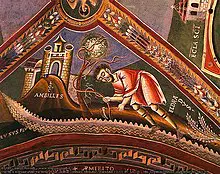
Life of Saint Eldrado

The Rucellai Madonna
Romanesque Art represent the transition between the Byzantine and Gothic style.
True
False

