
 Worksheets
12-12
Total questions: 25
Worksheet time: 34mins

Ionic bonding involves
transfer of electrons
sharing of electrons
holding onto electrons
electrons are not involved

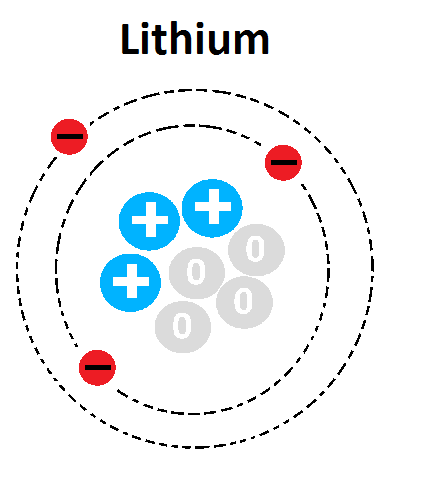
By replacing the element symbol, this could be a diagram of which element?
Li
Al
C
Be


A mixture of two or elements at least one of which is a metal is called
an ion
an alloy
steel
a crystal
2. Ionic Bonding involves:
The transfer of protons
The transfer of neutrons
The transfer of electrons
None Of the above
Oxygen has 6 valence electrons. HOW will it react?
it will lose 2 electrons
it will gain 3 electrons
it will gain 2 electrons
it will lose 3 electrons
Why do atoms form chemical bonds?
atoms want to have a full valence shell like noble gases (8)
atoms want to have a full valence shell like alkali metals
atoms want to have empty valence shells
none of the above
What happened to the ion in the symbol N with a 3- ion?
lost 3 electrons
lost 2 electrons
gained 2 electrons
gained 3 electrons
Metallic bonds are between -
metal + nonmetal
nonmetal + nonmetal
metal + metal
Does Br gain or lose electrons?
gain (-)
lose (+)
lose (-)
gain (+)
H2O is an example of a -
ionic bond
covalent bond
metallic bond
CO2 is an example of a -
ionic bond
covalent bond
metallic bond
LiF is an example of a -
ionic bond
covalent bond
metallic bond
The octet rule state that for an atom to be stable (happy) it needs how many valence electrons?
2
4
6
8

What is the name for CO
Carbon Oxide
Carbon Oxygen
Carbon Monoxide
Carbon Dioxide
H2O
NaBr

