Wayground logo

Free Printable Worksheets

Font size

S
M
L
XL
Worksheets

Lskeleton

Total questions: 77

Worksheet time: 42mins

Name
Class
Date
1.
Most of the skeleton starts out as ___________, which is later replaced by bone. 
a)
Cardiac
b)
Cartilage
c)
Marrow
d)
Spongy
2.

The bone marrow makes _______________________ cells.

a)
blood
b)
cancer
c)
large
d)
normal
3.
What is the flexible rubbery tissue that helps cushion bones where they meet called?  
a)
ligaments
b)
cartilage
c)
tendons
d)
knee pads
4.
Which of the following is a hinge joint? 
a)
hip
b)
elbow
c)
shoulder
d)
neck
5.
How many bones are in the human body?
a)
200
b)
206
c)
205
d)
204
6.
________ bone contains marrow, which can produce red blood cells. 
a)
Flexible
b)
Compact
c)
Spongy
d)
Cartilage
7.
What attaches bone to bone?
a)
tendons
b)
ligaments
8.
Bones, cartilage, and the special structures that connect them make up your
a)
Skeletal System
b)
Muscular System
c)
Nervous System
d)
Cardiovascular System
9.
Bone tissue that has many open spaces is called 
a)
Compact Bone
b)
Spongy Bone
10.
The place where two or more bones connect is called a 
a)
Ligament
b)
Tendon
c)
Joint
d)
Connector
11.
Joints are held together with strong elastic bands of connective tissue called
a)
Tendons
b)
Muscles
c)
Ligaments
d)
Bones
12.
Which type of marrow stores fat?
a)
Red
b)
Yellow
c)
Black
d)
White
13.
The ability for the body to maintain a stable internal environment is called
a)
Homeopathy
b)
Homeostasis
c)
Homeomorphism
d)
Home Control
14.
Ligaments are the connective tissue that attach
a)
Bone to Bone
b)
Bone to Muscle
c)
Muscles to Muscles
d)
Muscles to Dermis
15.

Which of the following is not a function of bones?

a)

Protection

b)

Blood cell formation

c)

Storage

d)

Absorption

16.
The joints in your knees and elbows are most similar to:
a)
a clock
b)
a screw
c)
a wheel
d)
a door hinge
17.
Bones are organs. True or false?
a)
True
b)
False
18.
This is a picture of what? (choose the answer that is most complete)
a)
robot
b)
skeleton
c)
ulna
d)
vertebrate
19.
our hip joint would be considered which type of joint?
a)
hinge
b)
ball and socket
c)
pivot
d)
fixed 
20.
If your body were a tall building, your skeleton would be:
a)
beams and joints that hold it up
b)
plumbing and electrical systems
c)
foundation that anchors it to ground
d)
apartments and offices inside it
21.
Most of the skeleton starts out as ___________, which is later replaced by bone. 
a)
Cardiac
b)
Cartilage
c)
Marrow
d)
Spongy
22.

The bone marrow makes _______________________ cells.

a)
blood
b)
cancer
c)
large
d)
normal
23.
Most of the skeleton starts out as ___________, which is later replaced by bone. 
a)
Cardiac
b)
Cartilage
c)
Marrow
d)
Spongy
24.

The bone marrow makes _______________________ cells.

a)
blood
b)
cancer
c)
large
d)
normal
25.
What is the flexible rubbery tissue that helps cushion bones where they meet called?  
a)
ligaments
b)
cartilage
c)
tendons
d)
knee pads
26.
Which of the following is a hinge joint? 
a)
hip
b)
elbow
c)
shoulder
d)
neck
27.
How many bones are in the human body?
a)
200
b)
206
c)
205
d)
204
28.
________ bone contains marrow, which can produce red blood cells. 
a)
Flexible
b)
Compact
c)
Spongy
d)
Cartilage
29.
What attaches bone to bone?
a)
tendons
b)
ligaments
30.
Bones, cartilage, and the special structures that connect them make up your
a)
Skeletal System
b)
Muscular System
c)
Nervous System
d)
Cardiovascular System
31.
Bone tissue that has many open spaces is called 
a)
Compact Bone
b)
Spongy Bone
32.
The place where two or more bones connect is called a 
a)
Ligament
b)
Tendon
c)
Joint
d)
Connector
33.
Joints are held together with strong elastic bands of connective tissue called
a)
Tendons
b)
Muscles
c)
Ligaments
d)
Bones
34.
Which type of marrow stores fat?
a)
Red
b)
Yellow
c)
Black
d)
White
35.
The ability for the body to maintain a stable internal environment is called
a)
Homeopathy
b)
Homeostasis
c)
Homeomorphism
d)
Home Control
36.
Ligaments are the connective tissue that attach
a)
Bone to Bone
b)
Bone to Muscle
c)
Muscles to Muscles
d)
Muscles to Dermis
37.

Which of the following is not a function of bones?

a)

Protection

b)

Blood cell formation

c)

Storage

d)

Absorption

38.
The joints in your knees and elbows are most similar to:
a)
a clock
b)
a screw
c)
a wheel
d)
a door hinge
39.
Bones are organs. True or false?
a)
True
b)
False
40.
This is a picture of what? (choose the answer that is most complete)
a)
robot
b)
skeleton
c)
ulna
d)
vertebrate
41.
our hip joint would be considered which type of joint?
a)
hinge
b)
ball and socket
c)
pivot
d)
fixed 
42.
If your body were a tall building, your skeleton would be:
a)
beams and joints that hold it up
b)
plumbing and electrical systems
c)
foundation that anchors it to ground
d)
apartments and offices inside it
43.

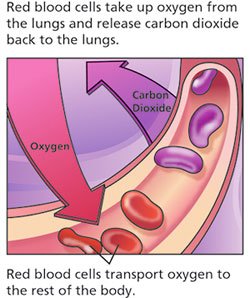
These cells, in the blood, carry oxygen and give the blood its color.

a)

white blood cells

b)

plasma

c)

platelets

d)

red blood cells

44.

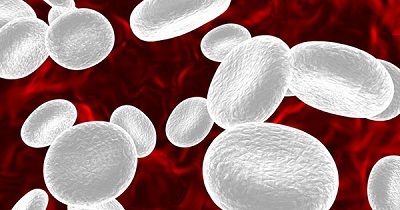
The cells in the blood that help fight germs like bacteria and viruses

a)

red blood cells

b)

platelets

c)

white blood cells

45.

Which part of the blood carries oxygen?

a)

Red blood cells

b)

White blood cells

c)

Platelets

d)

Plasma

46.

Which part of the blood protects the body against disease?

a)

Red blood cells

b)

White blood cells

c)

Platelets

d)

Plasma

47.

Which part of the blood is a yellowish liquid?

a)

Red blood cells

b)

White blood cells

c)

Platelets

d)

Plasma

48.

Which part of blood helps form clots and scabs?

a)

Red blood cells

b)

White blood cells

c)

Platelets

d)

Plasma

49.

Which carries oxygen-rich blood away from the heart?

a)

Arteries

b)

Veins

c)

Capillaries

d)

Marrow

50.

What are the 4 parts of blood?

a)

Red blood cells, plasma, white blood cells, marrow

b)

Red blood cells, white blood cells, platelets, plasma

c)

Red blood cells, platelets, plasma, water

d)

Red blood cells, white blood cells, platelets, marrow

51.

Put the types of blood vessels in order from "smallest" to "largest"

a)

Capillaries, arteries, veins

b)

Veins, capillaries, arteries

c)

Arteries, veins, capillaries

d)

Capillaries, veins, arteries

52.

What are the names of the three types of blood vessels

a)

Veins, arteries, capillaries

b)

Arteries, red blood cells, veins

c)

Veins, capillaries, bone marrow

d)

Arteries, platelets,

plasma

53.
The heart has ___ chambers.
a)
1
b)
2
c)
3
d)
4
54.
The circulatory system works with the ___________ system to provide our body with oxygen.
a)
respiratory
b)
digestive
c)
muscular
d)
skeletal
55.

Arteries carry oxygen rich blood away from the heart.

a)

True

b)

False

56.

Veins carry oxygen poor blood back to the heart.

a)

False

b)

True

57.

The type of blood vessel that normally carries oxygenated blood from the heart to the body cells?

a)

arteries

b)

capillaries

c)

veins

58.

The type of blood vessel that normally carries de-oxygenated blood back to the heart from body cells?

a)

arteries

b)

capillaries

c)

veins

59.

The relaxing/filling stage of the cardiac cycle?

a)

Systole

b)

Diastole

60.

Type of circulation that refers to the blood flowing through the entire body?

a)

Systemic circulation

b)

Renal circulation

c)

Portal circulation

d)

Pulmonary circulation

61.

Type of circulation that refers to blood flow from the heart to the lungs and back to the heart again?

a)

Systemic circulation

b)

Renal circulation

c)

Portal circulation

d)

Pulmonary circulation

62.

The smallest blood vessels that ensure oxygen and nutrients are delivered to the body's cells.

a)

Capillaries

b)

Arteries

c)

Veins

63.

The bottom part of the heart is divided into two chambers called what?

a)

Ventricles

b)

Atria

64.

(a)   are the tiniest blood vessels.

65.

The upper part of the heart is made up of two chambers called what?

a)

Ventricles

b)

Atria

66.

Blood vessels that carry blood to the heart.

a)

Veins

b)

Arteries

c)

Capillaries

67.

(a)   help form clots to stop bleeding.

68.

(a)   is the liquid part of blood.

69.

These blood vessels help fight infection and other diseases.

a)

Red Blood Cells

b)

White Blood Cells

c)

Platelets

d)

Plasma

70.

Your heart rate, or pulse, is the number of times your heart beats per (a)   .

71.

Blood vessels that carry blood away from the heart.

a)

Veins

b)

Capillaries

c)

Arteries

72.

The circulatory system consists of what three parts?

a)

Heart

b)

Brain

c)

Blood

d)

Blood vessels

e)

Liver

73.
What is the heart ? 
a)
meaty organ 
b)
a small metal spike with a broadened flat head,
c)
organ of soft nervous tissue 
d)
muscular organ
74.
What is the function of the heart?
a)
To pump blood around the body
b)
To remove oxygen from the blood
c)
To allow blood to flow through it 
d)
To breath
75.
What part of blood is responsible for carrying oxygen and carbon dioxide to body cells?
a)
Red Blood Cells
b)
White Blood Cells
c)
Platelets
d)
Plasma
76.
The human heart is an organ that pumps blood throughout the body supplying oxygen, nutrients, blood, and hormones to and from the tissues removing _________ ___________ and other wastes.
a)
hydrogen dioxide
b)
carbon moxoide
c)
water molecules
d)
carbon dioxide
77.
The main function of the circulatory system is 
a)
To give the body structure and support
b)
Excrete waste
c)
transport blood, nutrients, and gases throughout the body
d)
to transport messages from the body to the brain

Similar Resources on Wayground