
 Worksheets
First Semester Review AP Gov (Units 1-3)
Total questions: 196
Worksheet time: 2hrs 9mins
Political culture is the dominant set of beliefs, customs, traditions, and values that:
make America what it is and how it is perceived.
define American culture to the rest of the world.
define the relationship between the American people and the government.
define how America will act on the world stage.
Thomas Jefferson supported the concept of limited government, even stating in the Declaration of Independence that citizens have the:
right to rule over the government.
right to rebel when a government goes beyond its limits.
means to protect themselves against all government.
responsibility to vote for the right people to keep the government honest.
The concept of laissez-faire is the idea that government must:
regulate the interactions between citizens and businesses.
control how much money is circulated.
play a small role in the economy.
determine which countries to trade with.
Elected officials' ability to respond to the preferences expressed by citizens is:
required for reelection.
crucial to achieving policy goals.
required for effective representation in a democracy.
a direct result of public opinion surveys.
Federalism can be defined as:
A system of government that divides power between the state and national governments.
A system of government in which the states hold most of the power.
A system of government in which the national government holds most of the power.
A system of government in which one central authority holds all power.
Which statement BEST summarizes how the national government and state government conflicted in the case of Angel Raich and Diane Monson?
The use of marijuana for medical treatment was illegal under state law but legal under federal law.
The national government did not think state law should be in conflict with federal law.
The use of marijuana for medical treatment was legal under state law but illegal under federal law.
The state government did not think the federal government had a right to restrict the rights of citizens.
In a confederal system:
The national government shares power with subnational governments.
The national government has power over all subnational governments.
The subnational governments have most of the power.
The Articles of Confederation is the governing document.
Powers that are specifically granted to the national government in the Constitution are known as:
Expressed powers.
Implied powers.
Specific powers.
Exclusive powers.
Which of the following provisions in the Constitution states that the national government is given extended powers outside their enumerated powers in order to properly execute said enumerated powers?
Commerce clause
Necessary and proper clause
Supremacy Clause
1st Amendment
The commerce clause within the Constitution gives Congress which power?
The authority to levy any taxes against goods transported across state lines.
The authority to regulate interstate business and any commercial activity.
The authority to inspect any incoming shipments of goods from overseas.
The authority to make any laws that would benefit the trading economy in the United States.
Which is a fact of the McCulloch v. Maryland (1819) case?
The state of Maryland was the only state that wanted to tax the Second Bank of the United States.
It centered on the question if Congress could charter national banks.
Bank officials paid the tax but thought it was too high and challenged it.
The charter for the bank was still ongoing and was cut short.
Which of the following clauses states that each state is required to recognize the public acts, records, and civil court proceedings of another state?
Necessary and Proper Clause
Supremacy Clause
Full Faith and Credit Clause
Commerce Clause
When the government asks states to implement a policy, but does not provide funds to assist in doing so, it is called:
An unfunded mandate.
A categorical grant.
A block grant.
Fiscal federalism.
Money from the national government that is given to the states for the purpose of carrying out public policy that the national government has deemed important is known as:
Categorical grants.
Unfunded mandates.
Grants-in-aid.
Block grant.
Which amendment has recently become an important tool in asserting state authority by giving power to the state governments if powers are not directly given to the national government?
The Tenth Amendment
The Twelfth Amendment
The Thirteenth Amendment
The Fourteenth Amendment
Which of the following powers within federalism are the shared powers between states and the federal government?
Concurrent powers
Exclusive powers
Enumerated powers
Implied powers
In the case of United States v Lopez, which clause did the United States try to use in order to try to control the usage of guns on school property?
Necessary and Proper Clause
Commerce Clause
Full Faith and Credit Clause
Supremacy Clause
The United States, since the Great Depression, has gone away from dual federalism, and has instead gone to what overall style of federalism?
Fiscal Federalism
Cooperative Federalism
American Federalism
National Federalism
The Constitution and the laws of the federal government are the highest laws of the land is known as the _____________ clause.
Supremacy
Equality
Liberty
Justice

This diagram illustrates:
Separation of powers
Checks and balances
Federalism
The ideas of John Locke and the Declaration of Independence are similar in that both
recognize the right of monarch to determine their own form of government
support concept of natural rights and gov't built on consent of governed
seek common ideals in gov't through creation of constitutional monarchy
value the preservation of private property
Under the Articles of Confederation, most power rested with the
British Parliament
president
state legislatures
United States Senate
Which of the following was NOT a problem with the national government under the Articles of Confederation?
the lack of power given to state legislatures
the lack of an executive to lead the nation
the inability of national govt to regulate national economy
the unwillingness of the states to send money requested by national govt
Unlike the Articles of Confederation, the U.S. Constitution
Emphasizes state sovereignty over national sovereignty
Emphasizes both national and state sovereignty
Restricts ability of Congress to raise an army or navy
Restricts the ability of Congress to tax
The group most likely to approve of the Articles of Confederation would be
those who feared strong central government.
those owed money by the US government.
bankers and merchants.
Those who owned land and favored a strong executive
The _________, offered at the Constitutional Convention, called for each state to be equally represented in Congress.
New Jersey Plan
Virginia Plan
three-fifths compromise
Connecticut Compromise
The Bill of Rights was a compromise for constitutional ratification demanded by
the Federalists
the Antifederalists
James Madison
Alexander Hamilton
The enumerated (or expressed) powers of Congress and the national government are those
specifically spelled out in the Constitution
not specifically spelled out in the Constitution, but acknowledged
involving taxes, spending, and fiscal policy
set out in the first ten amendments
The Connecticut (Great) Compromise provided for
all judicial appointments to be made by the President
all revenue bills to originate in the Senate
bicameral legislature with 1 house based state pop. & the other w/ equal representation
the elimination of the importation of slaves
Congress has the right to ʺmake all laws necessary and proper for carrying into execution" its powers is called
elastic clause
enumerated powers
heart of fiscal federalism
hyperpluralism
Which of the following explains one of the effects of the elastic clause?
allow the nat'l gov't to extend its powers beyond those enumerated in Constitution
powers not delegated by the Constitution to the U.S. are reserved to states
make the legislature the most powerful branch of the national government
allow state governments to nullify federal laws within their borders
______ is an exclusive power of the federal govt, and ____ is a concurrent power shared with the states.
Declaring war, levying taxes
Creating banks, controlling the postal system
Making laws, conducting elections
Regulating commerce, establishing local governments
The New Jersey Plan was a reaction by some states primarily to the fear that
the president could use a legislative veto
the Virginia Plan gave too much power to populous states
Hamilton's National Bank would threaten foreign investments
the national government had too much power under the Articles of Confederation
Three-fifths of enslaved people were counted for purposes of
electing the president
allotting seats in the House of Representatives
allotting seats in the Senate
voting rights for Black people

______ believed in the separation of powers in the government.
Hobbes
Locke
Montesquieu
Rousseau


Which Enlightenment philosopher argued that people have the right to abolish their government and create a new one? (Consent of the governed)
Montesquieu
Locke

The Enlightenment philosophers believed that the power of government is derived from
Divine right of rulers
a strong military
the middle class
those who are governed

The idea that people give up some of their power to the government in exchange for the protection of the laws that government provides.
Social Contract Theory
Divine Right
Constitutional Monarchy
Natural Rights
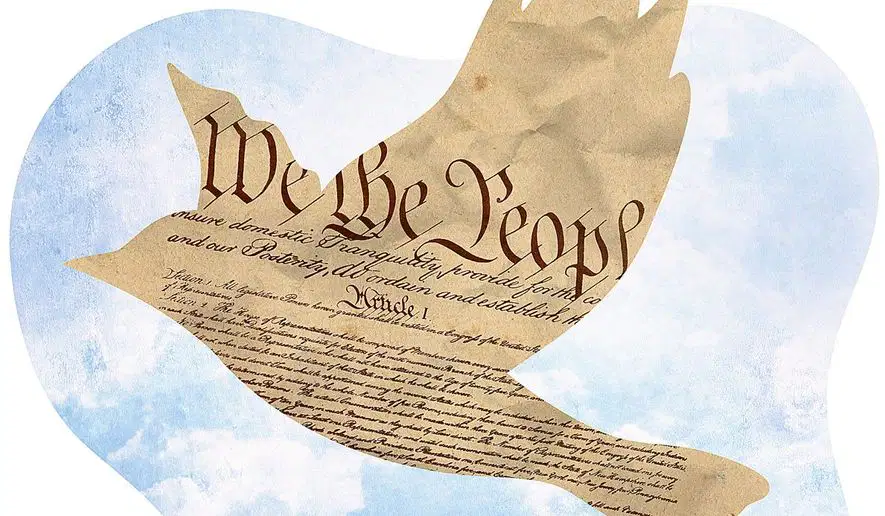
These are a set of inherent liberties & protections granted to all people upon birth.
Liberty!
A constitution
Natural Rights
Consent of the Governed
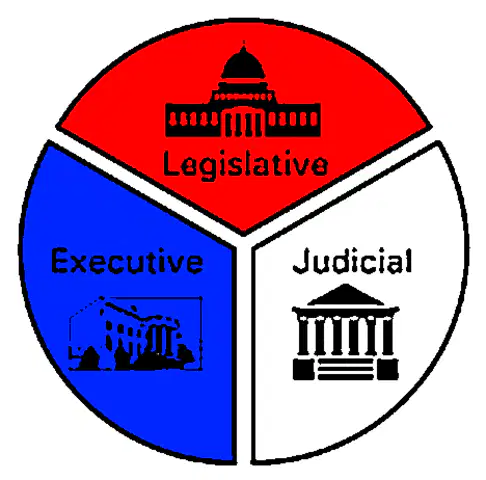
Why are the government powers separated?
So that the executive branch has the most power.
So that no one branch gets too powerful, and each branch is balanced by the other two.
So that the three branches of government have no power.
So that the individual states have all the power.
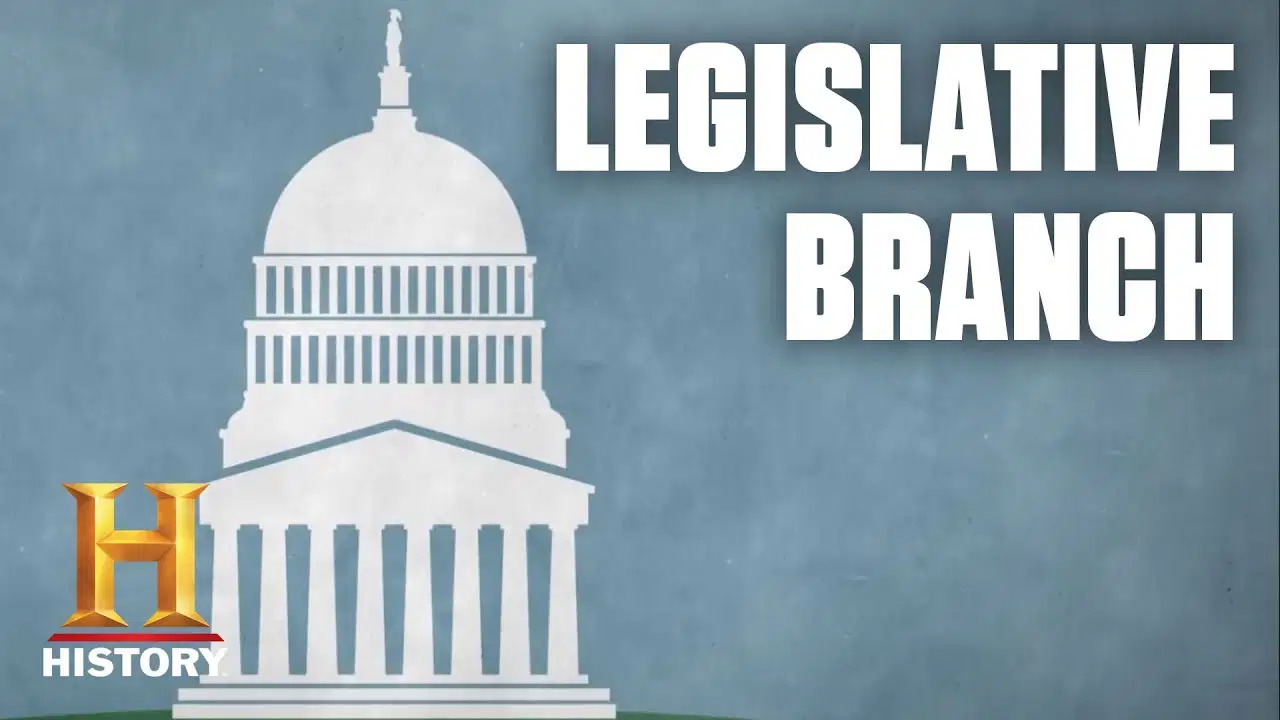
The Legislative Branch of government…
Interprets the laws
Makes the laws
Enforces the laws
Ignores the laws
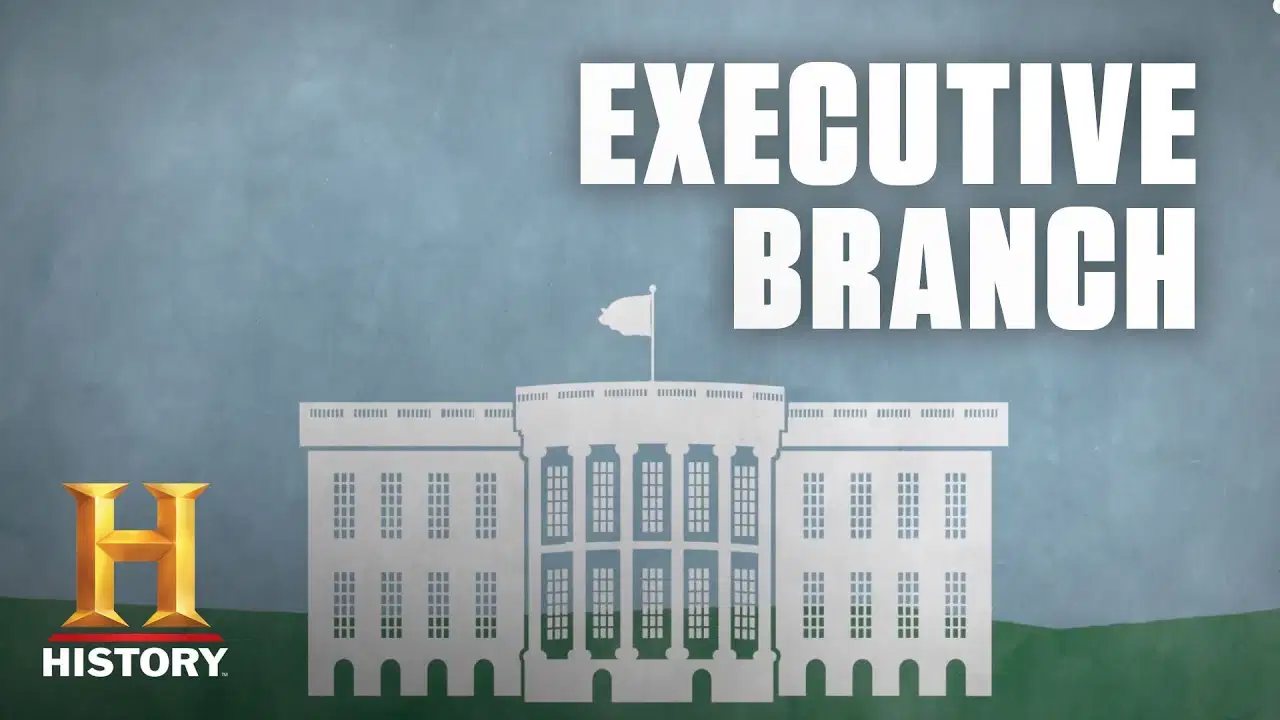
The Executive Branch of government…
Makes the laws
Enforces the laws
Is a Monarchy
Interprets the laws
The Judicial Branch of government
Makes the laws
Interprets the laws
Enforces the laws
Is a Constitution
What type of government is the United States?
Democracy
Constitutional democratic republic
Constitutional Monarchy
The shared set of beliefs, customs, and values that define the relationship of Americans to their government is known as what?
In order for a democratic government to be successful, there is a need for widespread political participation. This is known as:
participatory democracy
pluralist theory
elitist theory
Representative Democarcy
the idea of democracy that emphasizes the role of groups in the policymaking process is known as what?
participatory democracy
pluralist theory
elitist theory
democratic republic
those who believe that in our democracy, elites have a disproportionate amount of influence in the policymaking process believe in which theory?
participatory democracy
elitist theory
pluralist theory
democratic republic

7
13
The House of Representatives has separate powers from the Senate including:
Confirming presidential nominees to the executive branch.
Creating bills to raise revenue.
Creating laws that are necessary and proper for the running of the federal government.
Confirming presidential nominees to the judicial branch.
Legislation used to direct specific funds into projects within certain districts or states is referred to as:
Oversight.
Logrolling.
Pork barrel legislation.
Discretionary legislation.
A body of voters that are represented by members of Congress is a:
Constituency.
District.
Region.
Division.
What refers to already being in office instead of running for the first time?
Incumbency
Seniority
Superiority
Obligatory
The Speaker of the House is the:
leader of the party in the minority.
figure head of the House.
only position that is described in the Constitution.
House majority leader.
During the legislative process, collecting information about a bill is a job for:
Congressional staff.
Enclaves.
Subcommittees.
Pollsters.
Filibusters are used to delay a bill because a senator refuses to:
Vote.
stop talking.
review the committee report.
An example of an entitlement program is:
Social Security.
private education.
life insurance.
income tax
With each budget deficit, the United States has to borrow money, which:
Increases the national debt.
Increases the national surplus.
Decreases interest rates.
Decreases the deficit.
The role of trustee means that the member of Congress must make:
legislation for their state only.
decisions based on knowledge and judgment.
laws that are always constitutional.
constituents happy the majority of the time.
The president of the United States acts as the head of the:
Executive branch.
Legislative branch.
Judicial branch.
American citizens.
Which statement BEST describes the system of electing a president?
The Senate votes on a qualified candidate nominated by each of the states.
Electors, chosen based on representation in Congress and by state legislatures, vote on candidates.
Eligible Americans cast votes for a president directly by popular election.
The president in office selects the president he wishes to take his place.
What did Alexander Hamilton think of having more than one executive?
He believed that having more than one executive was important to protect liberties.
He believed that having more than one executive would prevent anarchy.
He believed that having more than one executive would lessen the effectiveness of the president.
He believed that having more than one executive would check the office of the president better.
What is the main idea behind informal powers given to the president?
That the president may exercise the powers listed in the Constitution in an informal setting
That the president may exercise the powers listed in the Constitution to carry out the responsibilities as president
That the president may exercise additional powers to achieve policy goals
That the president may exercise additional powers not listed in the Constitution to carry out the responsibilities as president
Which statement BEST summarizes the relationship between the executive branch and the legislative branch?
The legislative branch provides important checks against the executive branch.
The legislative branch exercises power over the executive branch in matters of national security.
The executive branch is granted powers that overrule most of the decisions made by the legislative branch.
The executive branch is afforded more power over the financial standing of the United States than the legislative branch.
The War Powers Resolution prohibits:
Congress from declaring war on a foreign country without the president's approval.
the president from maintaining troops in combat for more than sixty days without congressional approval.
the president from declaring war.
Congress from increasing taxation during wartime.
The vice president is responsible for:
Nominating justices to the Supreme Court.
Assuming the office of the presidency if the president is unable to perform his duties.
Speaking with foreign leaders regarding policy.
All matters regarding public relations for the president.
Which statement describes the role of the first spouse?
Each first spouse takes on a cause that is meaningful to them and implements policy in that area.
The first spouse often handles matters related to keeping the White House in order.
The first spouse has no formal role in the executive branch.
The first spouse generally organizes functions, fund-raisers, and press conferences.
Which is a characteristic of a divided government?
legislative gridlock
bipartisan legislature
increased lawmaking
decreased partisan politics
Why, according to Alexander Hamilton in Federalist No. 78, was an independent judiciary necessary?
To represent the United States abroad
To preserve checks and balances of the constitution
To express the will of the people
To execute the laws of the nation
The Constitution's confirmation process of federal judges was designed to insulate them from:
Politics.
Senatorial scrutiny.
presidential opinion.
public criticism.
The Antifederalists feared that the growth of national government through an increasingly powerful judiciary would diminish the rights of
the president.
states and individuals.
the federal government.
the Supreme Court.
Successfully ________________ is a way for a president to have an enduring influence on the government and on public policy long after the end of the president's time in office.
achieving election of his or her vice president
passing legislation
seeking a third consecutive presidential term
placing individuals on the federal bench
In the event no candidate wins a majority in the Electoral College, the ________________________ selects the new president.
Senate
Sitting President
House of Representatives
Supreme Court
Which sentence aptly summarized John Marshall's decision in Marbury v. Madison (1803)?
Though Marbury's commission was signed and sealed, its lack of delivery means Marbury shouldn't have his office.
Marbury should legally have his office, but the Supreme Court cannot legally issue the writ of mandamus to force him to have it.
Marbury should seek redress in state court for his issue and not in federal court.
Marbury is legally entitled to his commission and Secretary of State Madison is obligated to hand it to him.
Which is NOT a protection of criminal defendants found in the Sixth Amendment?
the right not to be forced to testify
the right to a speedy and public trial.
the right to an attorney
the right to confront witnesses
Kennedy has spilled some gasoline on Nathan's lawn. Nathan asks Kennedy to pay for the removal of the gasoline and to repair the damage it has caused. Kennedy refuses and so Nathan sues him in court. In this case, Nathan is the
defendant; civil
plaintiff; civil
defendant; criminal
plaintiff; criminal
The federal district court for the district of Kansas rules on a case. One litigant appeals. To which court does it go next?
The U.S. district court for the district of South Dakota
The U.S. appeals court for the Seventh Circuit
The U.S. appeals court for the Tenth Circuit
The U.S. Supreme Court
In 1954, the NAACP (and others) brought before the Court a challenge to legal segregation established by the Court's 1896 decision in Plessey v. Ferguson. Which of the following was the NAACP MOST LIKELY to use in its arguments to overturn precedent in 1954?
a concurring opinion to the majority opinion in Plessey
an amicus curiae brief from the Ku Klux Klan
the majority opinion in Plessey
the dissenting opinion in Plessey
All of the following are ways that the legislative branch can check the powers of the executive branch EXCEPT:
Congress may pass a law declaring a presidential action unconstitutional.
The Senate may refuse to approve a presidential appointment.
Congress may override a presidential veto.
Congress may remove the president through its impeachment and conviction powers.
The role Congress plays in ensuring that executive branch agencies are carrying out their legislated responsibilities is known as
judicial review
legislative oversight
executive privilege
bicameralism
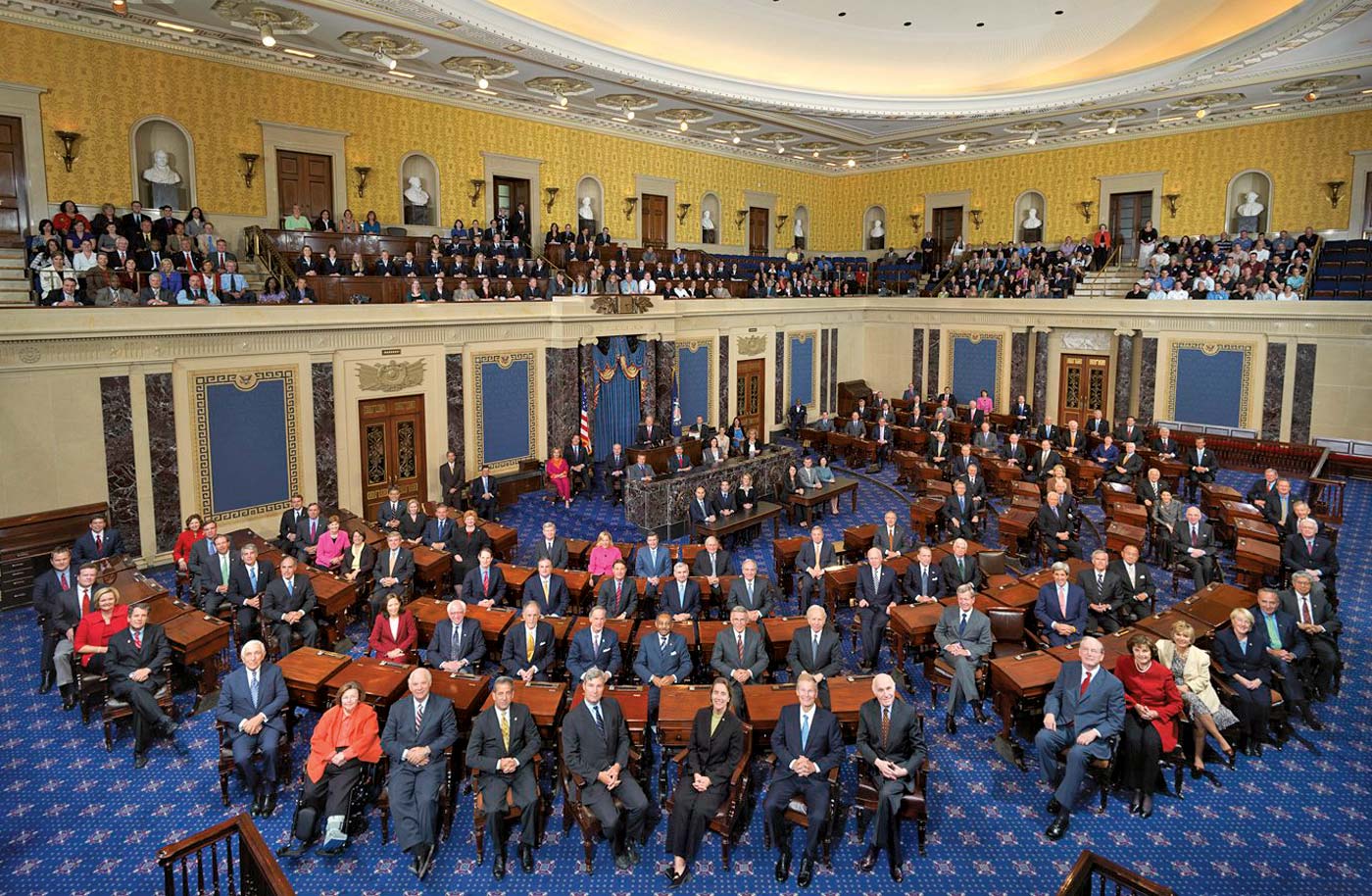
drawing the boundaries of legislative districts in bizarre or unusual shapes to favor one party
lizarding
partisan districting
gerrymandering
sleazy
The two types of courts are ___ and ___.
domestic and foregin
tribal and tax
neutral and biased
federal and state
Which courts hear the most cases?
bankruptcy
state
special
constitutional
How many justices are on the Supreme Court?
6
9
12
15
The Supreme Court has both __ and __ jurisdiction.
constitutional and extra-legal
original and appellate
executive and non-executive
exclusive and inclusive
Under Article III of the Constitution, __ creates the inferior (lower) courts.
the president
Congress
the Senate Judiciary Committee
the Attorney General
The __ nominates federal and Supreme Court justices with confirmation from a majority of the __.
president; Senate
Senate Judiciary Committee; Attorney General
president; House of Representatives
vice president; electors
The Supreme Court's power of judicial review came from which court case?
Gibbons v Odgen
Marbury v Madison
Citizens United v U.S.
Miranda v Arizona
What is the minimum age to be President according to the Constitution?
40 years old
35 years old
30 years old
45 years old
Which amendment restricts the President to two terms?
12th Amendment
20th Amendment
22nd Amendment
25th Amendment
What is the total number of electoral votes in the Electoral College?
435
270
538
100
Which amendment deals with the order of who becomes President and what happens if the Vice President's position is empty?
20th Amendment
22nd Amendment
12th Amendment
25th Amendment
The President of the United States is chosen by this group, not directly by popular vote. Each state has a number of members in this group based on its representatives and senators, and most states require them to vote for the state's popular vote winner.
Demographics
Census
Electoral College
Gerrymandering
What is the power of the president to reject a bill?
veto
executive order
table
pigeonhole
What is something the president cannot do?
nominate supreme court justices
send the Navy to the south Pacific
declare war
none of the given
What are the heads of federal departments appointed by the president called?
pentagon
squad
cabinet
party
The US Congress is made up of 2 houses which makes it a ________ legislature.
bicameral
duocameral
monocameral
unicameral
The two houses of the US Congress are:
House of Representatives
House of Lords
Senate
Supreme Court
Who assists the majority and minority party leaders in each house?
Pro Tempores
Chains
Tanks
Whips
The process of redrawing district lines after reapportionment is called.
Redistricting
Census
Gerrymandering
Censure
Redistricting with the intent of making political gains is called:
Reapportionment
Gerrymandering
Salamandering
Politics
Who is the presiding officer/constitutional leader of the House of Representatives?
Speaker of the House
President Pro Tempore
Vice President
Minority Leader
Who is the constitutional leader of the Senate?
Speaker of the House
President Pro Tempore
Vice President
Minority Leader
Who typically runs the floor in the Senate?
Speaker of the House
President Pro Tempore
Vice President
Minority Leader
How is the number of representatives in the House of Representatives determined?
Every state gets the same amount
A census is taken to determine each states population
wealthier states get more representatives
Luck of the draw
When the Judicial branch rules something unconstitutional this is called what?
Veto
Filibuster
Judicial Review
Judicial Restraint
This court case gave the judicial branch the power to declare something unconstitutional through judicial review.
Marbury v. Madison
McCulloch v. Maryland
Roe v. Wade
TLO v. New Jersey
What is the job of an appellate court?
to automatically overturn the original ruling
to select cases for the Supreme Court
to uphold the original ruling no matter what
to review an original case for a mistake
How do Supreme Courts Justices get their jobs?
Voted on by the people
Appointed by the Senate
Appointed by the President
Approved by the Senate
Which article identifies the powers of the judicial branch?

Congress shall make no law respecting an establishment of religion, or prohibiting the free exercise thereof; or abridging the freedom of speech, or of the press; or the right of the people peaceably to assemble, and to petition the Government for a redress of grievances.
1st Amendment
2nd Amendment
3rd Amendment
4th Amendments

A well regulated Militia, being necessary to the security of a free State, the right of the people to keep and bear Arms, shall not be infringed.
3rd Amendment
1st Amendment
2nd Amendment
5th Amendment

No Soldier shall, in time of peace be quartered in any house, without the consent of the Owner, nor in time of war, but in a manner to be prescribed by law.
7th Amendment
2nd Amendment
10th Amendment
3rd Amendment

The right of the people to be secure in their persons, houses, papers, and effects, against unreasonable searches and seizures, shall not be violated, and no Warrants shall issue, but upon probable cause, supported by Oath or affirmation, and particularly describing the place to be searched, and the persons or things to be seized.
9th Amendment
3rd Amendment
4th Amendment
6th Amendment

No person shall be held to answer for a capital, or otherwise infamous crime, unless on a presentment or indictment of a Grand Jury, except in cases arising in the land or naval forces, or in the Militia, when in actual service in time of War or public danger; nor shall any person be subject for the same offence to be twice put in jeopardy of life or limb; nor shall be compelled in any criminal case to be a witness against himself, nor be deprived of life, liberty, or property, without due process of law; nor shall private property be taken for public use, without just compensation.
3rd Amendment
4th Amendment
5th Amendment
6th Amendment

In all criminal prosecutions, the accused shall enjoy the right to a speedy and public trial, by an impartial jury of the State and district wherein the crime shall have been committed, which district shall have been previously ascertained by law, and to be informed of the nature and cause of the accusation; to be confronted with the witnesses against him; to have compulsory process for obtaining witnesses in his favor, and to have the Assistance of Counsel for his defense.
6th Amendment
5th Amendment
4th Amendment
3rd Amendment

In Suits at common law, where the value in controversy shall exceed twenty dollars, the right of trial by jury shall be preserved, and no fact tried by a jury, shall be otherwise re-examined in any Court of the United States, than according to the rules of the common law.
6th Amendment
7th Amendment
8th Amendment
9th Amendment

Excessive bail shall not be required, nor excessive fines imposed, nor cruel and unusual punishments inflicted.
5th Amendment
6th Amendment
7th Amendment
8th Amendment

The enumeration in the Constitution, of certain rights, shall not be construed to deny or disparage others retained by the people.
1st Amendment
9th Amendment
10th Amendment
5th Amendment

The powers not delegated to the United States by the Constitution, nor prohibited by it to the States, are reserved to the States respectively, or to the people.
10th Amendment
7th Amendment
6th Amendment
5th Amendment
Civil rights include the fundamental right of people to be: a. given a trial by jury. b. treated equally under the laws and policies of the government. c. given precedence for certain jobs. d. treated better than the majority.
given a trial by jury.
treated equally under the laws and policies of the government.
given precedence for certain jobs.
treated better than the majority.
In the Fourteenth Amendment, the clause deals with civil rights.
separate but equal
necessary and proper
due process
The was passed in 1990 and helped to protect disabled Americans from discrimination at work.
Rehabilitation Act
Administrative Procedure Act
Occupational Safety and Health Act
The Thirteenth Amendment was created to:
give African Americans the right to vote.
provide reparations to former slaves.
ensure that African Americans were paid the same wages as Caucasians.
completely end slavery in the United States.
The separate but equal clause allowed for segregation as long as:
states could prove that it was for the benefit of all citizens.
African Americans were given warning before they faced segregation.
whites were able to eat in African American restaurants.
facilities for both whites and blacks were equal.
African Americans gained the right to vote after the ______ Amendment passed in 1870.
Fifteenth
Thirteenth
Fourteenth
Sixteenth
De jure segregation is segregation that is:
Illegal.
written into law.
allowed by both races.
accepted by state law only.
Affirmative action is a policy designed to help address the consequences of:
previous discrimination.
Brown v. Board of Education.
current discrimination.
Gratz v. Bollinger.
Evidence presented during Brown v. Board of Education proved that:
African American children and white children were equal in academic potential.
White children were not able to focus.
African American children benefited from segregation.
Both African American and white children were getting an equal education under segregation.
Many protesters would practice civil disobedience, which is the:
demand for a change in society.
decision to march on the state or national capital.
intentional refusal to obey a law to show it is unjust.
intentional protest of a group of people in power.
After Dr. King was arrested, many members of the white clergy in Birmingham:
supported the protests but urged for no more.
called for police officers to allow free protesting.
asked Dr. King to come and speak at their churches to get more support.
urged for no more protests and suggested getting the courts involved.
By creating crisis and confrontation, Dr. King stated that it would force white moderates to decide if racial segregation was:
consistent with American values.
justified because of slavery.
best for their towns and cities.
beneficial for African Americans.
While African Americans secured their civil rights through the judicial system, women used the:
legislative system.
petition system.
executive system.
public opinion polls.
Which amendment on women's rights did not secure ratification?
Higher Education Act of 1972
Civil Rights Act of 1964
Equal Rights Amendment
Voter Rights Act of 1965
In cases of differential treatment based on gender, the Supreme Court has found most of these cases are:
Justified.
Constitutional.
Fabricated
Unconstitutional.
Which is a function of the due process clause?
a clause that restricts state governments from denying citizens their fundamental human rights without legal safeguards.
a clause that allows citizens the right to a lawyer when being accused of a crime.
a clause that allows the protections of the Bill of Rights to be extended to the state level.
a clause that allows states to rescind certain protections only after a thorough legal process has been completed.
Which statement BEST describes the system of selective incorporation?
a process by which the Supreme Court has affirmed all protections within the Bill of Rights to state governments
a process by which the Supreme Court has affirmed that the First Amendment must be incorporated within state laws
a process by which the Supreme Court has affirmed that almost all the protections in the Bill of Rights may be applied to state laws.
a process by which all protections under the Bill of Rights will gradually be incorporated into state laws
Which clause forms the constitutional basis for protections of religious expression?
The Free Exercise Clause
The Full Faith and Credit Clause
The Elastic Clause
The Establishment Clause
Students at a local public school have organized a Bible study group to meet after school on Wednesdays at a church just down the road. All student participation is voluntary. This type of organization would be:
a violation of the free exercise clause.
a violation of the establishment clause.
a violation of the Board of Education guidelines.
within the Board of Education guidelines.
The Supreme Court created the ____________________________________ test to set guidelines for what is appropriate under the establishment clause.
The right to criticize those in power is protected under the:
What is the clear and present danger test?
a standard by which the Supreme Court can restrict freedom of expression.
a standard by which states may infringe on the rights of free speech.
a standard by which speech that hurts someone's feelings is prohibited.
a standard by which speech that poses an immediate threat to national security is not protected.
Which statement BEST defines hate speech?
speech that is intended to incite violence
speech that hurts the feelings of others
speech that has no other purpose but to express hatred
speech that is used by established hate groups
Although the speech itself may be protected, the government is able to:
A ____________________ is a document issued by a judge authorizing a search.
warrant
A crime has been committed, and the police have arrived on the scene. There is a gun on the ground and a body next to the gun. Based on precedent, the gun would be:
admissible in court
inadmissible in court
inadmissible unless a warrant was obtained.
irrelevant to the crime
What was the outcome of Miranda v. Arizona?
the concept of double jeopardy
the rights to remain silent and have an attorney present during questioning
the establishment of a grand jury
the fact that evidence obtained without a warrant would be inadmissible in court
The Supreme Court holds that consenting adults generally:
have a reasonable right to privacy.
have the right to keep their personal lives private from the government.
can make their own choices regarding contraceptives.
can settle their own issues regarding abortion and sexuality.
Nathaniel is a delegate in the Constitutional Convention and has concerns that the rights listed in a bill of rights might actually limit fundamental liberties. Nathaniel would MOST likely be in favor of the:
8th Amendment
9th Amendment
10th Amendment
11th Amendment

Which term means keeping blacks and whites apart in public places?
Black Codes
Who wrote the Letter from a Birmingham Jail?
Malcolm X
Dr. Martin Luther King Jr.
Rosa Parks
Stokely Carmichael
Who was the person who released millions of classified intel that informed the American people that they were being spied on by the American government?
Martin Luther King Jr.
Barack Obama
What is the difference between civil liberties and civil rights?
Civil liberties protect individual freedoms from the government; civil rights ensure equal treatment and protection from discrimination of a specific group.
Which amendment, found in the Bill of Rights, was under question in the case of Gitlow v New York?
Which amendment was used to ensure that the Bill of Rights was also applied to state laws?
19th Amendment
What does the establishment clause mean?
The Establishment Clause allows the people to practice whatever religion they want.
What does the Free Exercise Clause mean?
The Free Exercise Clause does not allow the United States to put more importance of one religion over another.
Which of the following scenarios shows an acceptable instance of the use of religion in schools?
A teacher leads prayer in the classroom to pray for a student in the hospital.
The Valedictorian leads a prayer during his/her speech at graduation.
A group of students prays for their meals during lunch.
A student openly prays in the classroom during instruction.
What was the issue in Tinker v. Des Moines (1969)?
Some students were wearing black armbands in protest of the Vietnam War, and the school suspended them for it.
The school district wanted to search the bags of the students to try to find marijuana, which was illegal back then.
The parents did not want their children involved in protests for the Vietnam War.
Students created a sign that read "BONG HITS 4 JESUS" which went against the anti-drug policy of the school.
Today, the right to an abortion in combination with how long the mother is along is relegated by who?
The Executive Branch
The Legislative Branch
The Judicial Branch
The states
Which of the following Supreme Court cases stated for the first time that privacy is a right protected by the Constitution?
What does separate but equal mean?
A principle that completely denies the mixing of races in all forms of public life.
A concept that encourages the mixing of different races in all forms of public life.
Who was the lawyer who was also a leader within the NAACP?
What is de facto segregation?
De facto segregation refers to the enforced integration of different groups by law.
De facto segregation is a term used to describe economic disparities between groups.
De facto segregation is the separation of groups that occurs due to social ideas, not by law.
What was a common method used to prevent African Americans from voting before the Civil Rights Movement?
Offering free transportation to voting stations.
Mandatory voting for everyone.
Literacy tests and poll taxes.
Online voting.
What did the Voting Rights Act of 1965 aim to eliminate?
The use of paper ballots.
The requirement to own property to vote.
Racial discrimination in voting.
The need to vote in person.
Which amendment gave women the right to vote?
20th Amendment
14th Amendment
What is the number of votes necessary for a candidate to win the electoral college?
538
290
265
According to the Supreme Court, a person has the right to a lawyer in all criminal proceedings based on its ruling in which of the following cases?
In Roe v. Wade, the majority of Supreme Court justices determined that
the United States Constitution IMPLIES a right to privacy and thus made some abortions legal
a constitutional right to privacy REQUIRED making all abortions legal
Which amendments are used in order to create the idea of right of privacy?
This law prohibits discrimination in voting based off of characteristics?
1st Amendment
14th Amendment
Voting rights act of 1965
Voting Rights Act of 1873
How many changes have there been to the U.S Constitution?
10 amendments
5 amendments
27 amendments
21 amendments
A law condemning (expressing disapproval) an action that is passed after the action was taken.
Internment
Habeas Corpus
Bill of Rights
Ex post Facto Law
Which amendment creates the idea of double jeopardy?
What is it called when a district is divided in order to try to give minorities a majority in order to ensure a representative from that group?
Racial Gerrymandering
Partisan Gerrymandering

