
 Worksheets
H Chemistry S1 Review (Units 1-2)
Total questions: 40
Worksheet time: 24mins
What is the charge of a proton?
Positive
Neutral
Negative
Undefined
Where is the electron located in an atom?
Nucleus
Electron cloud
Neutron shell
Proton layer
An atom with 16 protons and 18 electrons has a net charge of:
+2
-2
Neutral
-4
Which subatomic particle determines the element's identity?
Neutron
Proton
Electron
Nucleus
What is structurally similar in isotopes of the same element?
Number of neutrons
Number of protons
Number of electrons
Atomic mass
Magnesium-25 has how many protons?
12
13
11
25
If lithium's average atomic mass is 6.94 amu, which isotope is more abundant?
6Li
7Li
What is the percent abundance of chlorine-35 if chlorine-37 is 25%?
25%
50%
75%
Cannot be determined
Which element is the most reactive metal?
Mg
Sr
Cs
Ca
Which pair has the most similar properties?
Ca & K
Ca & Mg
Mg & K
Group I metals differ from Group II metals in that:
They are less reactive
They have one valence electron
They are gases
They do not form compounds
Which of the following is the smallest particle in an atom?
Proton
Neutron
Electron
Nucleus
Which subatomic particle has no charge?
Proton
Neutron
Electron
Nucleus
What is the mass number of an atom with 6 protons and 7 neutrons?
6
7
12
13
Which subatomic particles are found in the nucleus of an atom?
Electrons
Protons & neutrons
Neutrons & electrons
Protons & electrons
The atomic number of an element is determined by the number of:
Neutrons
Protons
Electrons
Valence electrons
What is the charge of an atom with 10 protons and 10 electrons?
Neutral
+10
-10
+1
Which isotope of carbon contains 7 neutrons?
Carbon-12
Carbon-13
Carbon-14
Carbon-15
An atom of oxygen has 8 protons, 8 neutrons, and 8 electrons. What is its mass number?
8
16
24
32
Which statement is true about neutral atoms?
They have the same number of protons and neutrons.
They have more protons than electrons.
They have an equal number of protons and electrons.
They have the same number of neutrons and electrons.

How many protons does the atom contain?
8
6
14
12
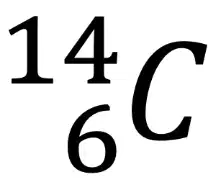
How many neutrons are present in the nucleus of this atom?
6
7
8
14
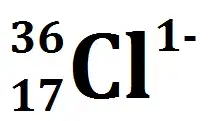
How many protons does this chlorine ion contain?
18
17
36
19
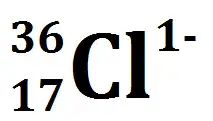
How many neutrons are in this chlorine atom?
17
18
19
36
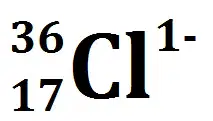
How many electrons does the ion contain?
16
17
18
19
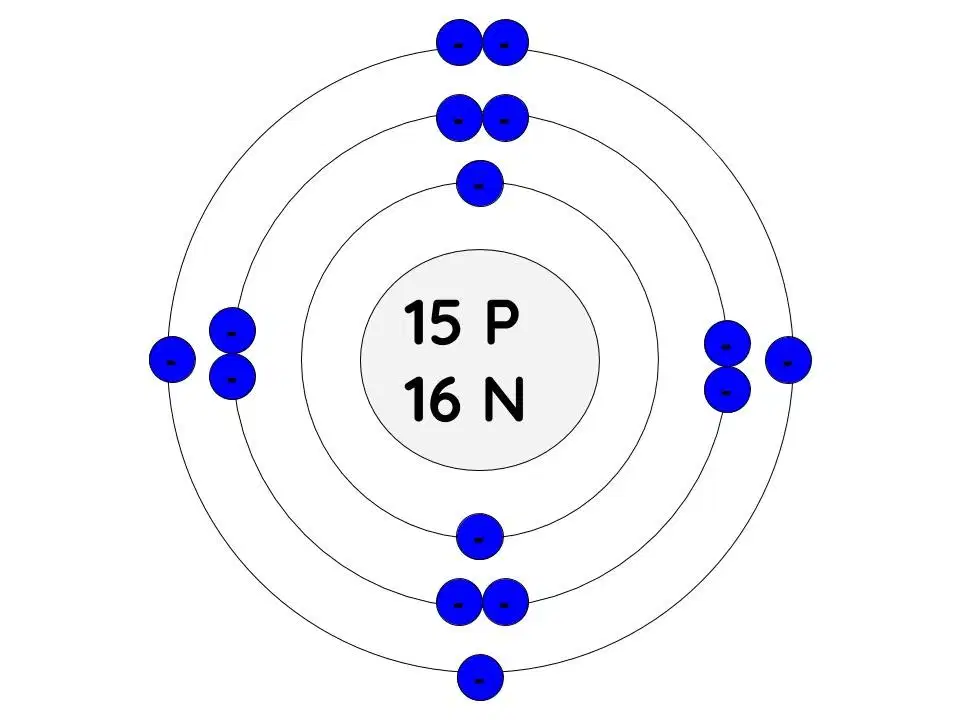
How many valence electrons does this atom have?
2
5
8
6

What is the mass number of this atom?
15
16
31
30
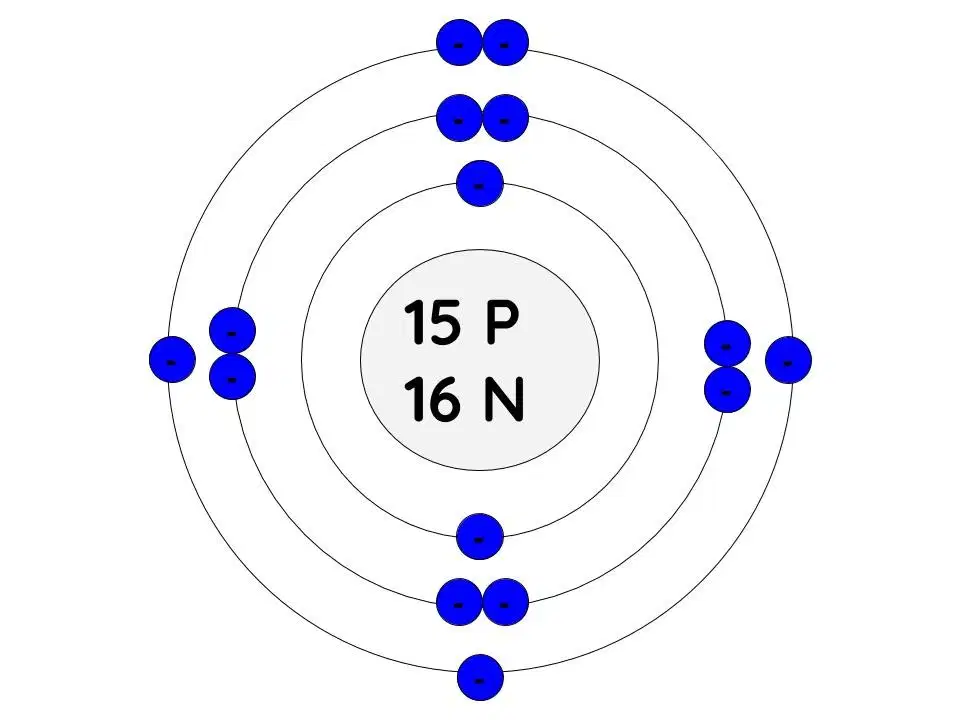
Which atomic model is represented by the diagram shown?
Dalton's Model
Rutherford's Model
Bohr Model
Quantum Mechanical Model
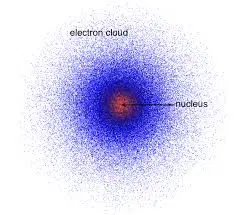
Which atomic model is represented by the diagram shown?
Dalton's Model
Bohr Model
Rutherford's Model
Quantum Mechanical Model
How does the Bohr Model differ from the Quantum Mechanical Model?
The Bohr Model has fixed orbits, while the Quantum Model uses an electron cloud
The Bohr Model uses an electron cloud, while the Quantum Model has fixed orbits
Both models show electrons in fixed paths
Neither model describes the location of electrons
How many valence electrons does fluorine have?
5
7
8
9
What is the electron configuration for a neutral aluminum atom?
1s² 2s² 2p⁶ 3s² 3p¹
1s² 2s² 2p⁶ 3s² 3p³
1s² 2s² 2p⁶ 3s¹
1s² 2s² 2p⁶ 3p³
Which ion is isoelectric with a calcium ion (Ca²⁺)?
Ne
Ar
Kr
Xe
What is the relationship between atomic radius and the position in the periodic table?
Atomic radius increases across a period and decreases down a group.
Atomic radius decreases across a period and increases down a group.
Atomic radius remains constant across a period.
Atomic radius decreases down a group and increases across a period.
What does the term "Zeff" represent in atomic structure?
Effective nuclear charge.
Electronegativity factor.
Ionization potential.
Atomic radius constant.
What is the charge of a strontium ion (Sr) after ionization?
+1
+2
-1
-2
Which statement describes the periodic trend of ionization energy?
Ionization energy decreases across a period and increases down a group.
Ionization energy increases across a period and decreases down a group.
Ionization energy remains constant across a period.
Ionization energy decreases across a period and down a group.
What is the primary reason noble gases are unreactive?
They have a high atomic radius.
They have a full valence shell.
They have low ionization energy.
They have no neutrons in the nucleus.
Which of the following atoms has the largest atomic radius?
Neon
Sodium
Magnesium
Aluminum
What is the relationship between the frequency and wavelength of electromagnetic radiation?
Frequency and wavelength are directly proportional.
Frequency and wavelength are inversely proportional.
Frequency and wavelength are independent of each other.
Frequency and wavelength increase together with energy.

