
 Worksheets
Unit 5 Review
Total questions: 24
Worksheet time: 12mins
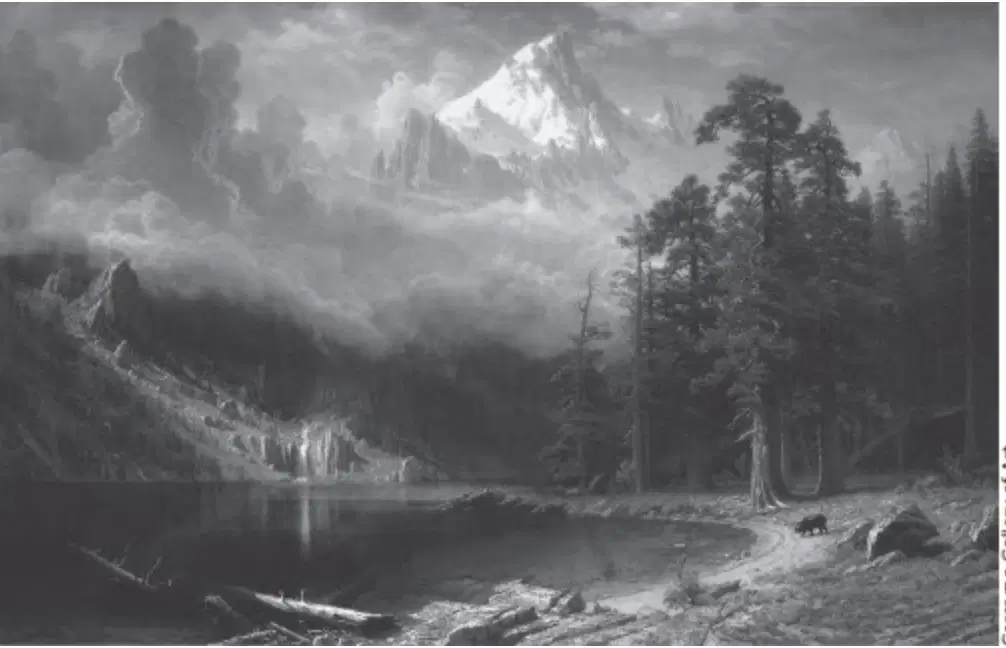
The theme represented in this painting is most associated with
the nineteenth-century temperance movement
books and songs supporting the nativist movement
the works of artists from the Hudson River School
the nineteenth-century industrial boom
Which headline could have accompanied the election of Andrew Jackson as president?
"A Victory for the Common Man"
"As Usual, No Change"
"A Hero Leads the Republican Party"
"Weak, Indecisive Leader Takes Power"
What was one result of the election of Andrew Jackson in 1828?
Renewal of the charter of the Bank of the United States
Elimination of the spoils system
Ratification of the Fifteenth Amendment
Increased levels of voter participation
Which of the following events represent political impacts of Andrew Jackson’s presidency?
Select TWO correct answers.
Creation of the two-party system
Elimination of the national debt
Rechartering of the National Bank
Expansion of suffrage through changed voting practices
Creation of a “spoils system” for those who had supported him
Andrew Jackson had the support of Congress by ratifying which of the following?
The Kansas/Nebraska Act
The Homestead Act
The Dawes Act
The Indian Removal Act

How was this ordinance a defense of states' rights?
State governments have the right to pass laws that apply to the federal government.
States have the right to consult on federal tariff laws prior to congressional approval.
Federal taxes on imports cannot be imposed if the state considers the actions unconstitutional.
Foreign powers must be able to negotiate with state governments to gain favorable import prices.
Which constitutional principal is the focus of the Nullification Crisis?
Federalism
Republicanism
Individual Rights
Popular Sovereignty
Which shaded state was the main destination of American Indians forced to relocate as part of the Trail of Tears?


In the cartoon above, which regional group is represented by the man with the tattered clothes on the left?
Eastern bankers
Southern planters
Northern merchants
Western miners
During the 1830s public servants and officials were widely perceived to be unqualified. What practice reinforced that perception?
The public voting for candidates based on religious affiliations
The president rewarding political supporters with appointments to desirable positions
The federal government recruiting volunteers to serve abroad as ambassadors
Legislators awarding government contracts to the lowest bidders
One way suffrage expanded during the Jackson presidency was by
recognizing a woman’s right to vote
recognizing a woman’s right to vote
eliminating property qualifications for voting
extending citizenship to American Indian tribes

Which constitutional question was raised and debated because of the actions described in this excerpt?
Can states nullify federal laws?
Can the federal government take control of private property?
Can states apply full faith and credit to other states?
Can the federal government guarantee due process?
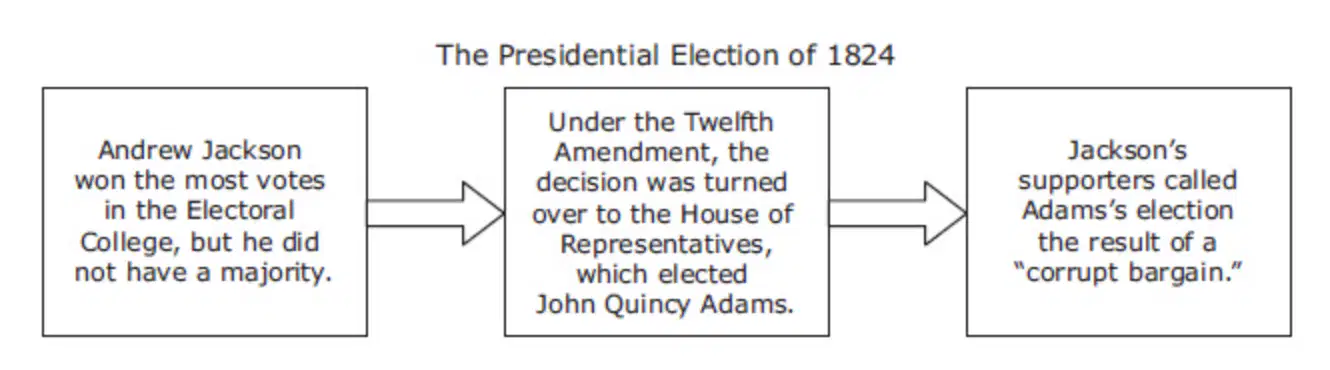
What was one effect of these events on the 1828 presidential election?
Votes were cast by secret ballot.
Property qualifications for voting were strengthened.
Poll taxes were reduced.
Voter participation increased.
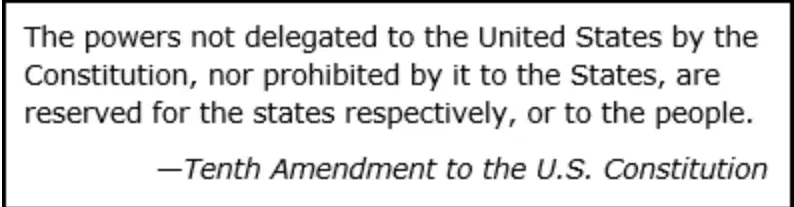
Conflicting interpretations of this amendment played a major role in the
Bank War
Nullification Crisis
Corrupt Bargain
XYZ Affair
Why did President Andrew Jackson oppose renewing the charter for the Second Bank of the United States?
The bank restricted Jackson from raising tariffs.
The bank did not permit the use of gold and silver for currency.
The bank had too much power over the economy and favored the wealthy.
The bank had corrupt leadership that threatened foreign trade and domestic industries.
In 1828, the U.S. House of Representatives passed a bill to approve the Tariff of Abominations by a vote of 105 to 94. Why did this tariff create division within the United States?
The tariff helped international trade but hurt domestic trade.
The tariff hurt Southern plantation owners but helped Western farmers.
The tariff lowered interest rates but raised personal taxes.
The tariff raised Northern business profits but lowered Southern consumer prices.
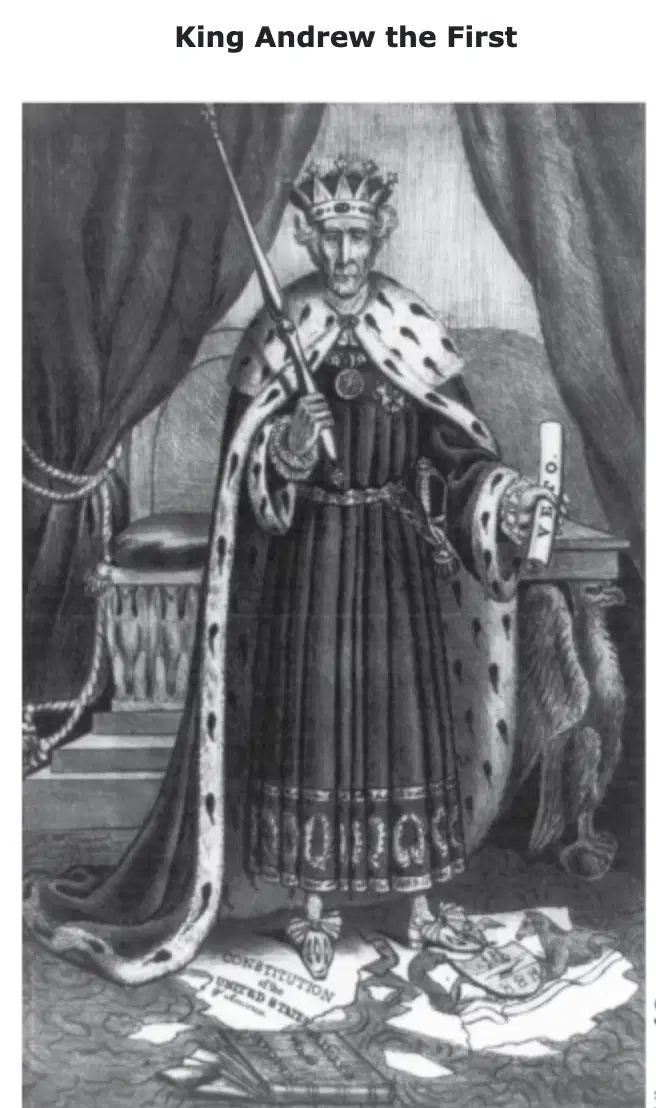
Which statement describes a position of the party that agreed with the cartoonist's view of Jackson?
They complained about Jackson's extravagant lifestyle.
They opposed Jackson for his efforts to start a war with Great Britain.
They criticized Jackson as a leader with unrestrained powers.
They objected to Jackson's attempt to reduce the number of Supreme Court justices.

In this reply, Daniel Webster is reacting to
the inability of citizens to elect Supreme Court justices.
an attempted nullification of a federal law by a state.
a proposal to revise the amendment process of the U.S. Constitution.
the federal seizure of private land for transportation networks.
The Cherokee responded to the state of Georgia's attempts to remove them by
pleading their case against Georgia in court
declaring war against the Georgia government
moving peacefully from Georgia to the West
signing a treaty allowing them to stay in Georgia
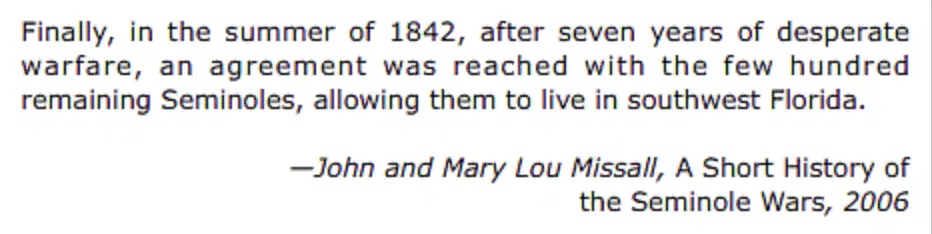
What led to the conflict referred to in this excerpt?
The passage of the Dawes Act
The Louisiana Purchase
The adoption of Indian removal policies
The Battle of Tippecanoe
Many historians consider Andrew Jackson's election as president to be a major shift in American politics that is sometimes referred to as the "Revolution of 1828." Why would his election be considered a "revolution"?
Jackson was unknown before 1828.
Jackson was the first general ever elected to public office.
Jackson was elected to office by the largest majority in presidential elections.
Jackson's election represented a shift of political power from elites to the common people.

These speakers are debating an issue that eventually became known as the
Monroe Doctrine
Nullification Crisis
Missouri Compromise
Three-Fifths Compromise

PART A
The argument made in the document supports the principle of
sedition
nativism
states' rights
popular sovereignty

Which statement provides evidence for the answer to Part A?
“obstructing the [entrance and exit of ships] to and from the said ports”
“in reality intended for the protection of domestic manufactures”
“Whereas the Congress of the United States by various acts, purporting to be acts laying [taxes] . . . on foreign imports”
“we will not submit to the application of force on the part of the federal government, to reduce this state to obedience”

