
 Worksheets
Muscle Tissue & Nervous Tissue
Total questions: 20
Worksheet time: 20mins
is responsible for movement and is composed of muscle cells, connective tissue, nerve fibers, and blood vessels.
(a)
Striated and under somatic nervous system control. Responsible for skeletal movement. Cells are large and multinucleated (syncytium).
(a)
Striated and under autonomic nervous system control. Makes up the heart. Cells are branched, uninucleate, and connected by intercalated discs.
(a)
Non-striated and under autonomic nervous system control. Found in blood vessels and internal organ walls. Cells are uninucleate and unbranched.
(a)
is highly specialized for receiving and transmitting stimuli.
(a)
The basic unit of nervous tissue, consisting of a cell body, dendrites (receive impulses), and an axon (transmits impulses).
(a)
Multipolar, with multiple dendrites and one axon.
(a)
Bundles of neurons that transmit electrical impulses to and from the brain.
(a)
Nerves outside the brain and spinal cord that connect the central nervous system to the body.
(a)
Connect motor neurons to muscle fibers, enabling muscle control.
(a)
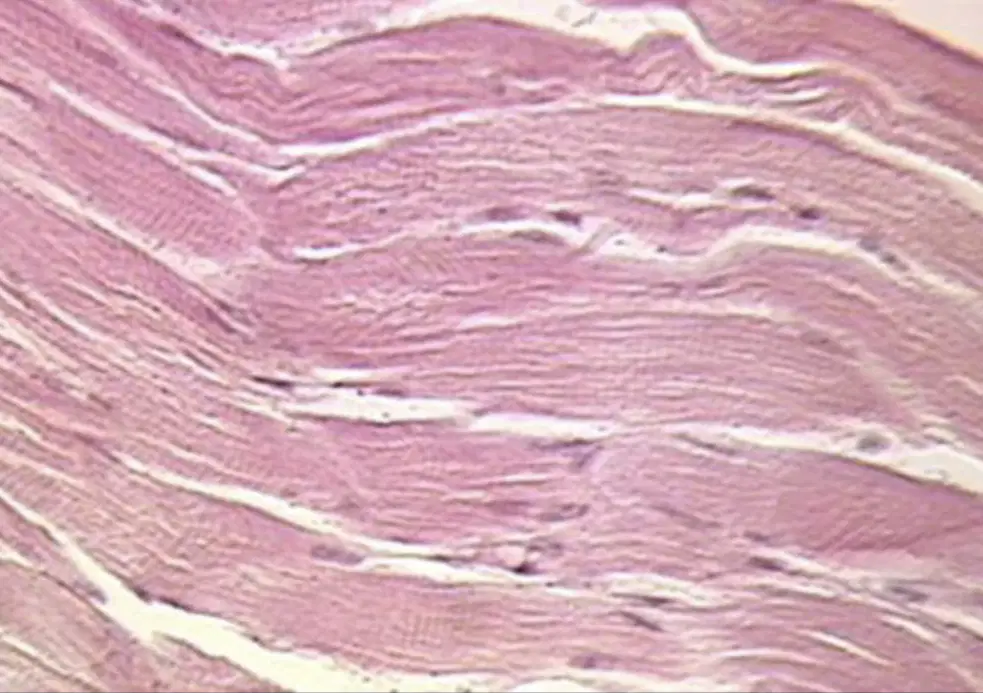
Guess the picture
(a)

Guess the picture
(a)
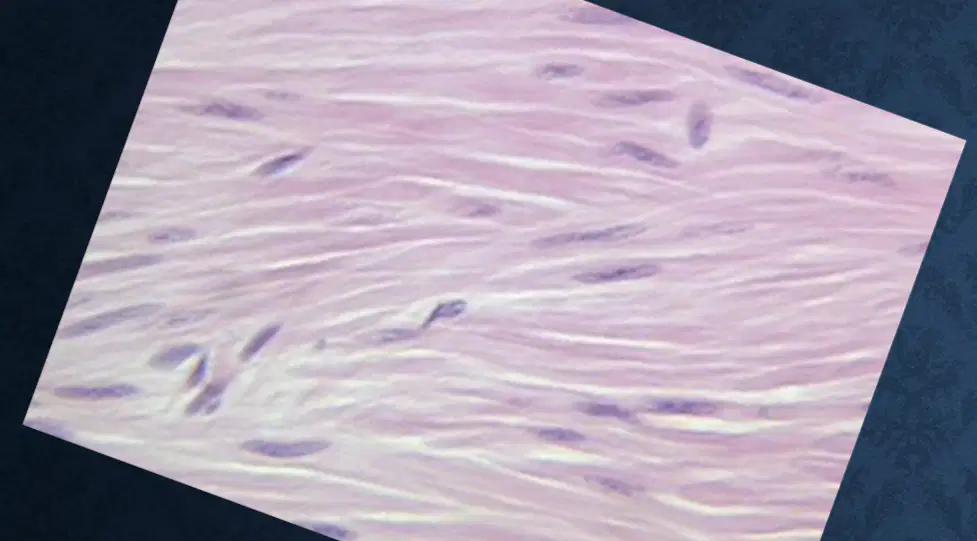
Guess the picture
(a)
lie mostly outside the brain and spinal cord, and receive information and relay it to the central nervous system.
(a)
lie mostly outside the brain and spinal cord, and relay signals from the central nervous system to effector organs (muscles or glands).
(a)
lie entirely within the central nervous system, and transmit signals within the central nervous system.
(a)
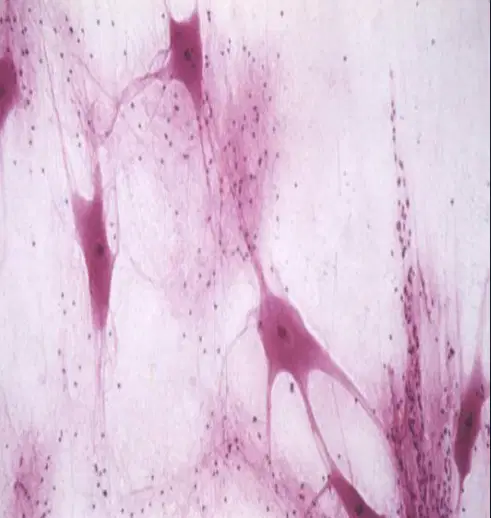
Guess the picture
(a)
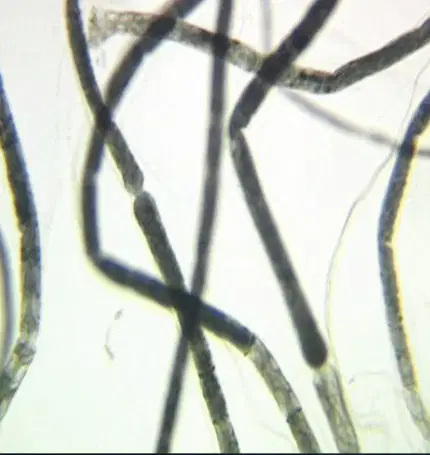
Guess the picture
(a)
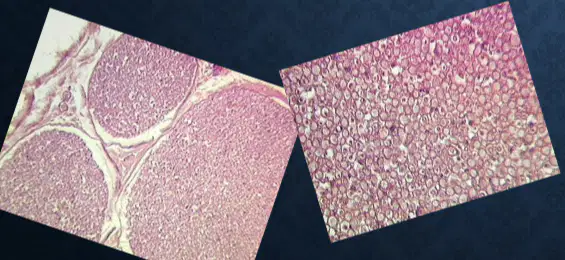
Guess the picture
(a)
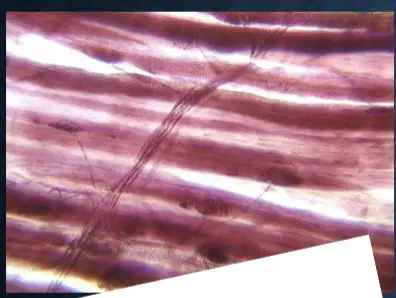
Guess the picture
(a)

