
 Worksheets
2/4 Final Review
Total questions: 26
Worksheet time: 16mins
What factors may be considered when applying for a loan?
Race
Gender
Income amount and credit score
Installment loans are loans in which
the amount borrowed and the payment amount may change each month.
the amount borrowed and the payment amount are set (unchanging)
your credit score is not impacted
Revolving loans are loans in which
the amount borrowed and the payment amount may change each month.
the amount borrowed and the payment amount are set (unchanging)
Your credit score is not impacted
What is a pre-approval for a car loan?
a statement a bank or credit union can give you to state the amount of money and interest rate you qualify for a future car loan
a letter stating your credit score
an insurance policy if you don't qualify for a car loan
Which type of interest is better to have on a student loan?
Simple interest (pay interest on the borrowed amount)
Compound interest (pay interest on the interest you owe)
A credit score is _______________________________?
a grade from A to F that you are assigned when turning 18
a three digit number determined by how you manage credit cards and loans
What are the minimum and maximum credit scores?
0-1000
300-1000
300-850
0-850
To maintain a good credit score, one should stay below what percentage of your credit limit?
13%
30%
50%
99%
What are the two factors considered when determining your credit score?
Type of loan and who you bank with
Existing debt and repayment history
Age and income
Savings and checking account balances
Secured credit cards are different from unsecured cards in that
you must put a security deposit down
the amount you pay stays the same each month
they do not affect your credit score
What is one consequence of having a poor credit score?
Higher interest rates on loans
Increased credit limit
Better loan approval chances
Lower insurance premiums
Finish this sentence with the correct ending: Secured credit cards, unsecured credit cards, revolving loans, and installment loans ________________________________________
can all be used to build your credit score
charge the same amount of interest.
are only available to people with good or excellent credit scores.
always require a deposit or collateral
A credit limit is
Select the statement below that is true about a secured credit card
secured cards require a security deposit
secured cards do not help to build your credit score
As a young adult, all of the following are good strategies for building credit, EXCEPT:
Open a credit card, with your parent or guardian as a cosigner
Take out a payday loan
Become an authorized user on a credit card used by your parent or guardian
Open and use a secured credit card
Why would credit card companies prefer that their cardholders make the minimum monthly payment every month rather than paying their total balance in full?
This is required by federal law for tax purposes
This allows the card holder to pay their bill quickly and close the card when they’re ready
This enables the credit card company to make more money
This helps cardholders develop financial independence
Your insurance premium is __________________________.
what you pay before the insurance company pays for a claim
a higher quality insurance coverage
Your insurance deductible is __________________________.
what the insurance deducts for a good credit score
the amount you pay for insurance coverage
Your renter's insurance policy costs $20/month and has a $1,000 deductible. A thief breaks into your apartment and steals your $800 TV set. How much would your insurance company pay for this incident?
$0
$200
$800
$1,000
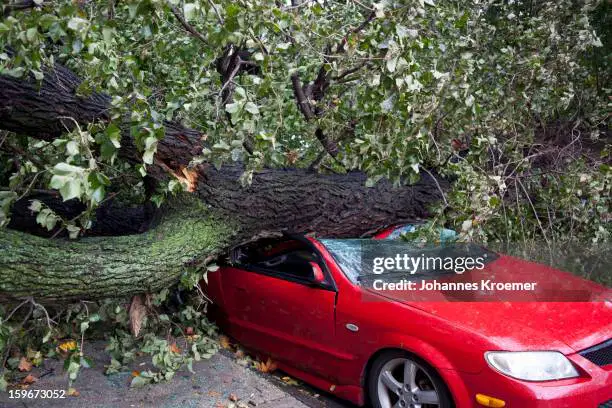
What auto policy coverage is for weather or theft related damage?
Comprehensive
Liability
Collision
Choose all appropriate references for a job application:
A friend
A family member
A former employer
A teacher or counselor
A cover letter’s purpose for a resume is to thank the employer for the interview.
True
False
Historically, money loses value over time. This is called:
a deductible
investing
compound interest
Is it recommended that you save money or invest money to buy your first car?
Save money
Invest money
What type of auto insurance are you required to carry in almost every state (49 out of 50)?
Insurance if you damage your own property
Insurance if you cause injury to another person
Insurance in case you get into an accident with someone who does not have insurance
Insurance if you cause injury to yourself
Your insurance premium is __________________________.
The amount you pay for insurance coverage
a higher quality insurance package
the amount you have to pay before the insurance company will pay for a claim

