wayground logo

Free Printable Worksheets

Font size

S
M
L
XL
Worksheets

(M)Physical Science Semester I Final Exam 2024

Total questions: 37

Worksheet time: 19mins
Name
Class
Date
1.
First name
4 lines
2.
Last name
4 lines
3.
1. How should long hair in a laboratory be kept?
a)
tied back
b)
cut short
c)
held away from the experiment with one hand
d)
always neatly groomed
4.

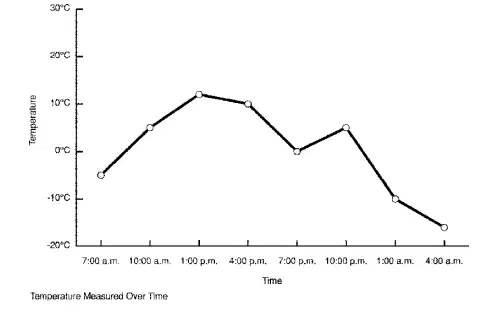
The temperature was approximately 5 degrees Celsius at (a)   .
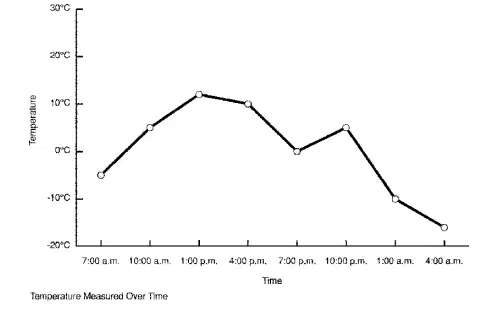
Choose from the below words
9:00 AM
10:00 AM
11:00 AM
12:00 PM
5.
3. Which two times of day was the temperature the same?
a)
7:00 AM and 7:00 PM
b)
7:00 AM and 10:00 PM
c)
10:00 AM and 7:00 PM
d)
10:00 AM and 10:00 PM
6.
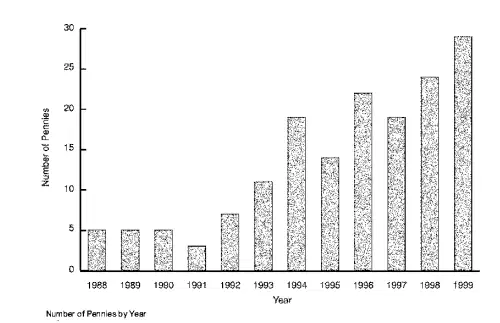
4. Which year was the smallest number of pennies found.
a)
1988
b)
1989
c)
1990
d)
1991
7.
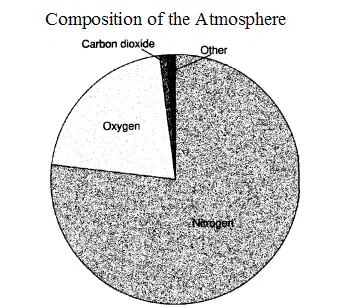
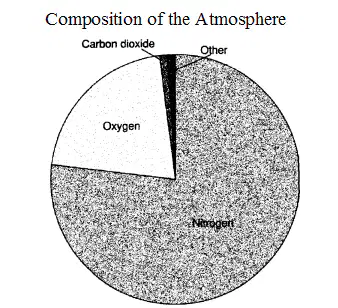
5. Which gas is the most abundant in the atmosphere?
a)
carbon dioxide
b)
nitrogen
c)
oxygen
d)
hydrogen
8.

The proportion of oxygen gas in the atmosphere is best represented by (a)   percent.
Choose from the below words
1%
4%
20%
75%
9.
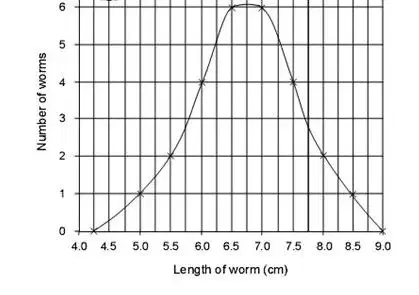
7. According to the graph below, how many worms were 6 cm long?
a)
5
b)
4
c)
3
d)
2
10.
8. Which statement about the atomic nucleus is correct?
a)
The nucleus is made of protons and neutrons and has a negative charge
b)
The nucleus is made of protons and neutrons and has a positive charge
c)
The nucleus is made of electrons and has a positive charge
d)
The nucleus is made of electrons and has a negative charge
11.
9. What is the charge of an electron?
a)
-2
b)
-1
c)
0
d)
+1
12.

Match the following characteristics with the order of elements in the periodic table.

a)

the number of protons in the nucleus

1.

Atomic number

b)

the electric charge of the nucleus

2.

Nuclear charge

c)

the number of neutrons in the nucleus

3.

Isotopic variation

d)

atomic mass

4.

Mendeleev's original arrangement

13.
11. What do atoms of elements that are in the same group have the same number of?
a)
protons
b)
neutrons
c)
valence electrons
d)
protons and neutrons
14.
12. What do the valence electrons in an atom determine?
a)
mass
b)
chemical properties
c)
electric charge
d)
period
15.

Oxygen's atomic number is 8. This number tells us that there are (a)   in its nucleus.
Choose from the below words
eight neutrons in its nucleus
a total of eight protons and neutrons
eight protons in its nucleus
a total of eight neutrons and electrons
16.
14. Which of the following elements is an alkali metal?
a)
calcium
b)
magnesium
c)
mercury
d)
sodium
17.
15. Which area of the periodic table are Carbon and other nonmetals found?
a)
on the left-most side
b)
on the right side
c)
in the middle column of the periodic table
d)
in the bottom rows
18.
16. Matter is defined as anything that...
a)
can be seen and touched
b)
has mass and takes up space
c)
can be weighed
d)
contains kinetic or potential energy
19.
17. What is the term for a pure substance that cannot be broken down into a simpler substance?
a)
a compound
b)
a mixture
c)
an element
d)
an atom
20.
18. Consider the chemical formula for water, H₂O. How many atoms of each element does water contain?
a)
two hydrogen atoms and two oxygen atoms
b)
two hydrogen atoms and one oxygen atom
c)
two hydrogen atoms and zero oxygen atoms
d)
one hydrogen atom and two oxygen atoms
21.
19. The law of conservation of mass states that mass cannot be...
a)
burned
b)
changed in form
c)
created or destroyed
d)
heated or cooled
22.
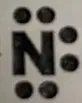
20. What is wrong with the electron dot structure for Nitrogen?
a)
nitrogen has more valence electrons than are shown.
b)
N has fewer electrons that are shown.
c)
the nitrogen needs to have 14 electrons in the structure.
d)
the nitrogen has no protons shown in the structure.
23.
21. If 15.1 grams of hydrogen and 4.5 grams of oxygen were produced when water is broken down, how much water did you start with?
a)
4.2 grams
b)
20.2 grams
c)
10.9 grams
d)
19.6 grams
24.

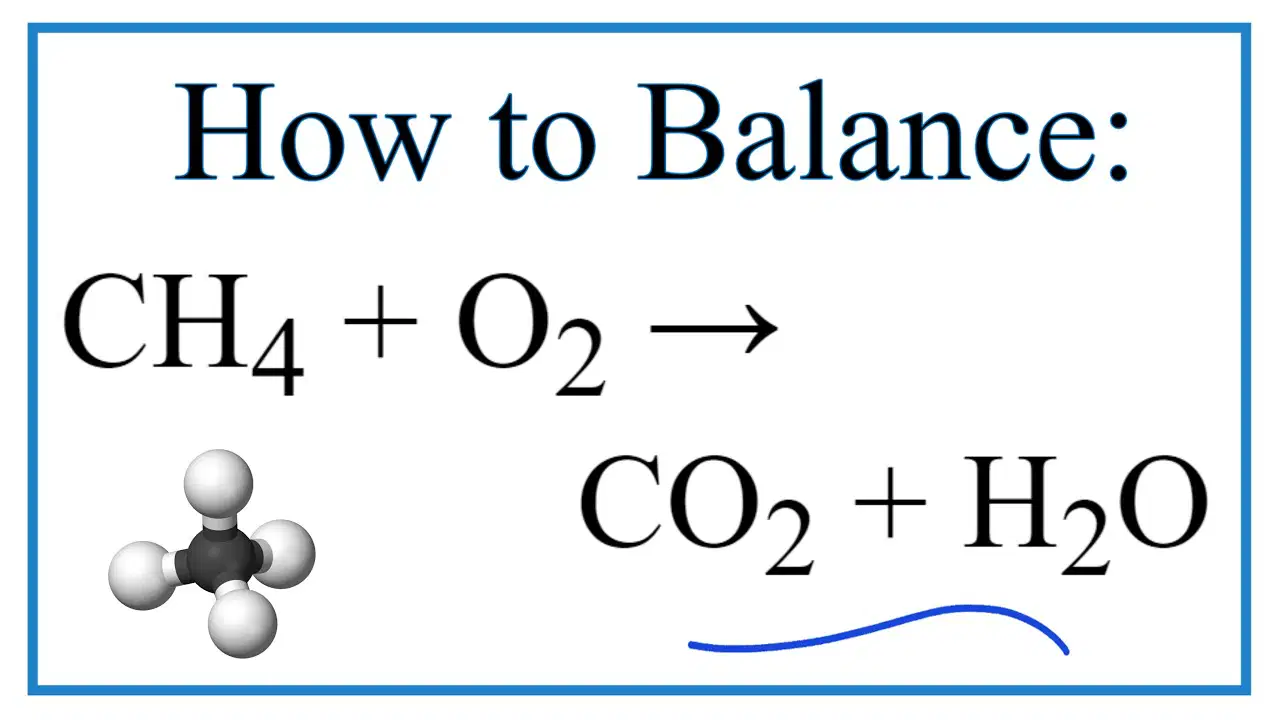
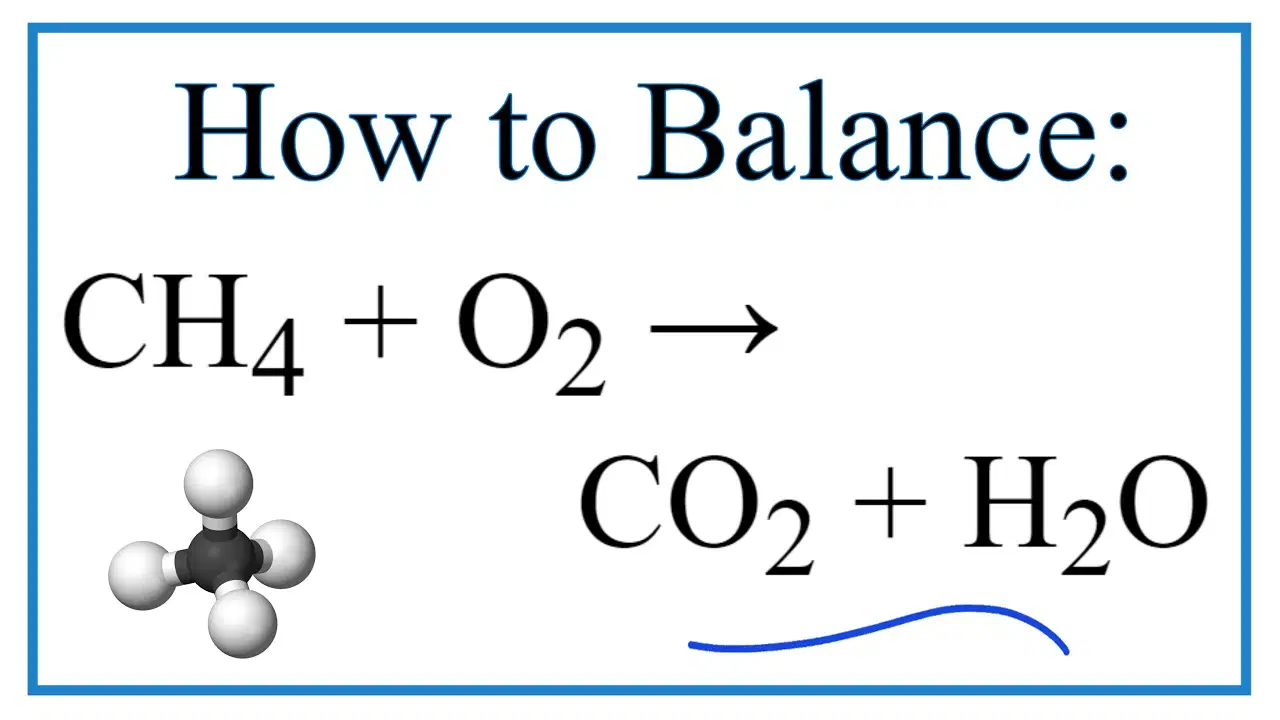
For the following reaction, the reactants are (a)   .
Choose from the below words
CO₂ and H₂O
CH₄ and O₂
O₂ and CO₂
all of these
25.
23. For the following reaction, which are the products?
a)
CO₂ and H₂O
b)
CH₄ and O₂
c)
O₂ and CO₂
d)
all of these
26.
24. A synthesis reaction is a reaction between at least two compounds in which...
a)
one breaks down into at least two products
b)
a compound is decomposed by an electric current
c)
a compound burns in the presence of oxygen
d)
a new, more complex compound is formed
27.
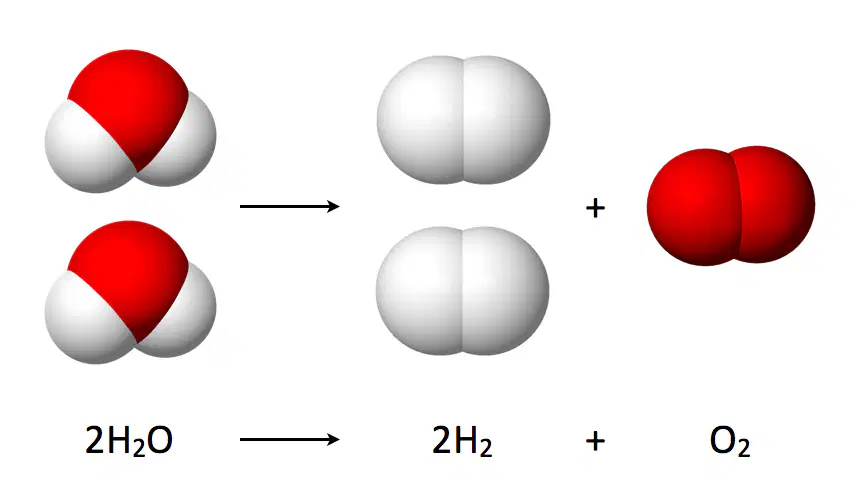
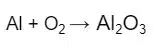
25. For the reaction below choose the correct coefficients to balance the equation.
a)
1, 2, 1
b)
2, 2, 1
c)
2, 2, 2
d)
4, 3, 2
28.
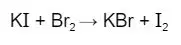
26. For the reaction below choose the correct coefficients to balance the equation.
a)
2, 2, 2, 2
b)
1, 2, 1, 2
c)
2, 1, 2, 1
d)
2, 2, 1, 1
29.
27. Often atoms join so that each atom will have...
a)
an even number of electrons
b)
an outermost energy level that is full of electrons (octet)
c)
an equal number of protons and electrons
d)
more electrons that either protons or neutrons
30.
28. What are the forces that hold different atoms or ions together?
a)
electric currents
b)
chemical bonds
c)
physical bonds
d)
nuclear forces
31.
29. An ionic bond is a bond that forms between...
a)
ions with opposite charges
b)
atoms with neutral charges
c)
one atom's nucleus and another atom's electrons
d)
The electrons of two different atoms
32.
30. Covalent bonds are formed between...
a)
ions
b)
metal atoms
c)
nonmetal atoms
d)
compounds
33.
31. What kind of intermolecular attraction is responsible for water's high boiling point?
a)
hydrogen bonding
b)
ion - ion forces
c)
ion - dipole forces
d)
dipole - dipole forces
34.
32. What are attractions that occur between molecules called?
a)
intramolecular forces
b)
intermolecular forces
c)
chemical attractions
d)
atomic forces
35.
33. What are attractions that occur within a molecule called?
a)
intramolecular forces
b)
intermolecular forces
c)
chemical attractions
d)
atomic forces
36.
34. What is the strongest intermolecular force in HCl?
a)
hydrogen bonding
b)
dipole - dipole
c)
London dispersion
d)
ionic bonding
37.

Match the following descriptions with the type of intermolecular force they involve.

a)

bonding by sharing electrons

1.

Covalent bonding

b)

bonding by transferring electrons

2.

Ionic bonding

c)

slightly positive and slightly negative poles

3.

Dipole-dipole interactions

d)

hydrogen atoms that are involved in a bond

4.

Hydrogen bonding